
Dortmunder
intro
The classic Dortmunder Export is a smooth, balanced pale lager from western Germany, with soft malt sweetness, subtle spicy hop notes, and a crisp, clean finish perfect for sipping with grilled summer fare.
Ingredients
Steps
Sanitize All Equipment
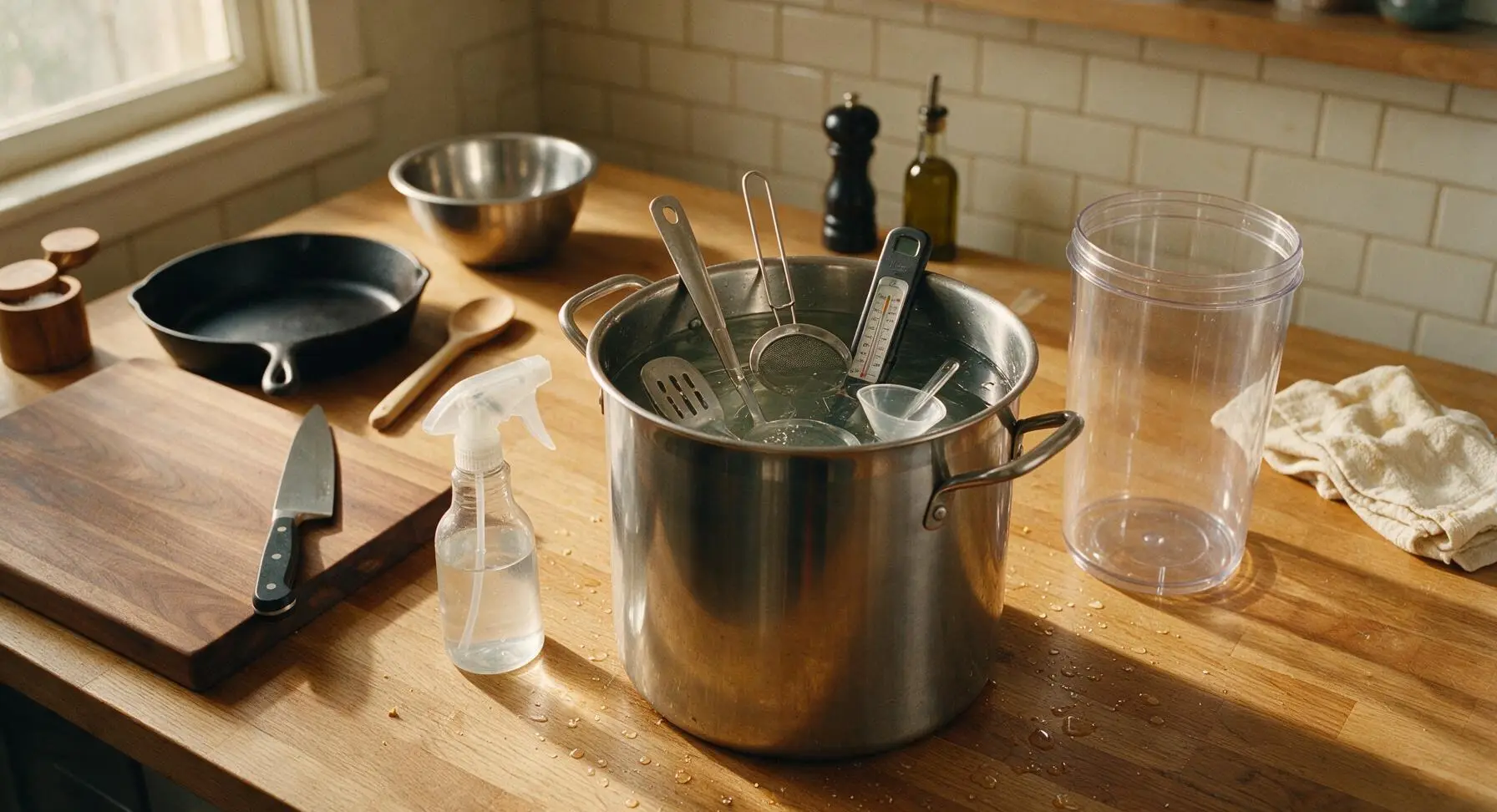
First, add 500ml of cool filtered water and 1/4 teaspoon of no-rinse food-grade sanitizer to the 3-gallon stainless steel brew pot. Submerge the slotted stirring spoon, fine-mesh strainer, digital thermometer, and small funnel in the solution for 2 minutes. Spray the interior of the 1-gallon clear fermenter and its lid with sanitizer from the clear spray bottle, then drain all tools and the fermenter completely—residual sanitizer will not affect flavor, but even trace amounts of un-sanitized surface can cause off-flavors. Visually confirm no food debris or dust remains on any surface before proceeding.
Heat Initial Wort Base
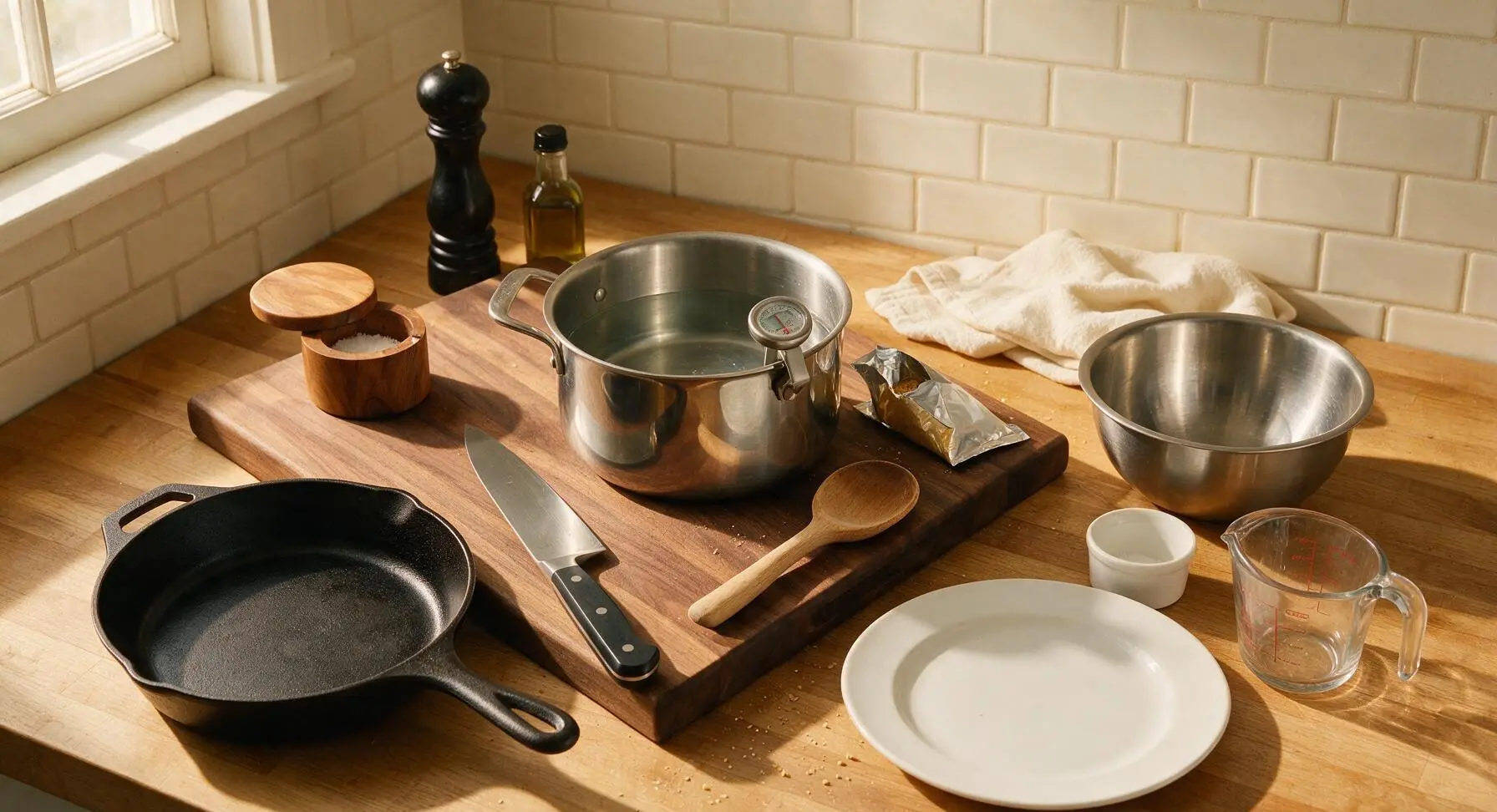
Pour 2 liters of fresh filtered water into the sanitized brew pot, set over medium heat, and warm to 65C (150F), clipping the digital thermometer to the pot edge to monitor temperature. Once the target temperature is reached, slowly pour the full 670g of Pilsen liquid malt extract into the warm water, stirring continuously with the slotted stainless steel spoon to fully dissolve the thick extract, ensuring no sticky extract burns on the bottom of the pot. The mixture will turn a pale, hazy golden color as the extract dissolves.
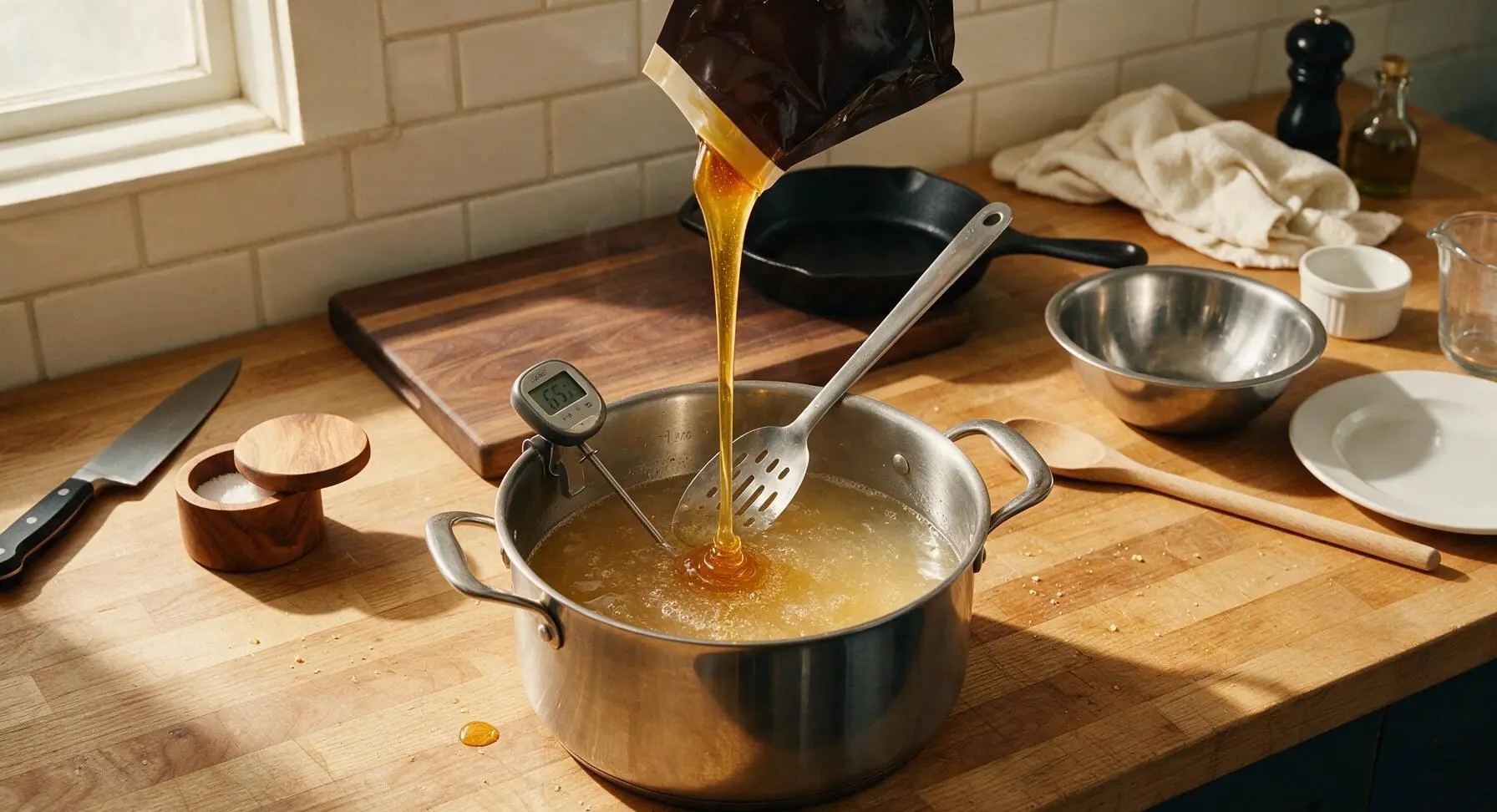
Bring to Rolling Boil
Increase heat to medium-high to bring the wort to a steady, rolling boil (100C/212F). Watch closely as the wort heats, as a thick foam layer will rise quickly as it approaches boiling—reduce heat temporarily if foam threatens to boil over the pot edge. Once a consistent rolling boil (with steady bubbles breaking across the entire surface) is reached, set a 60-minute timer, and leave the pot uncovered to allow volatile sulfur compounds to escape, which prevents off-flavors in the finished beer.
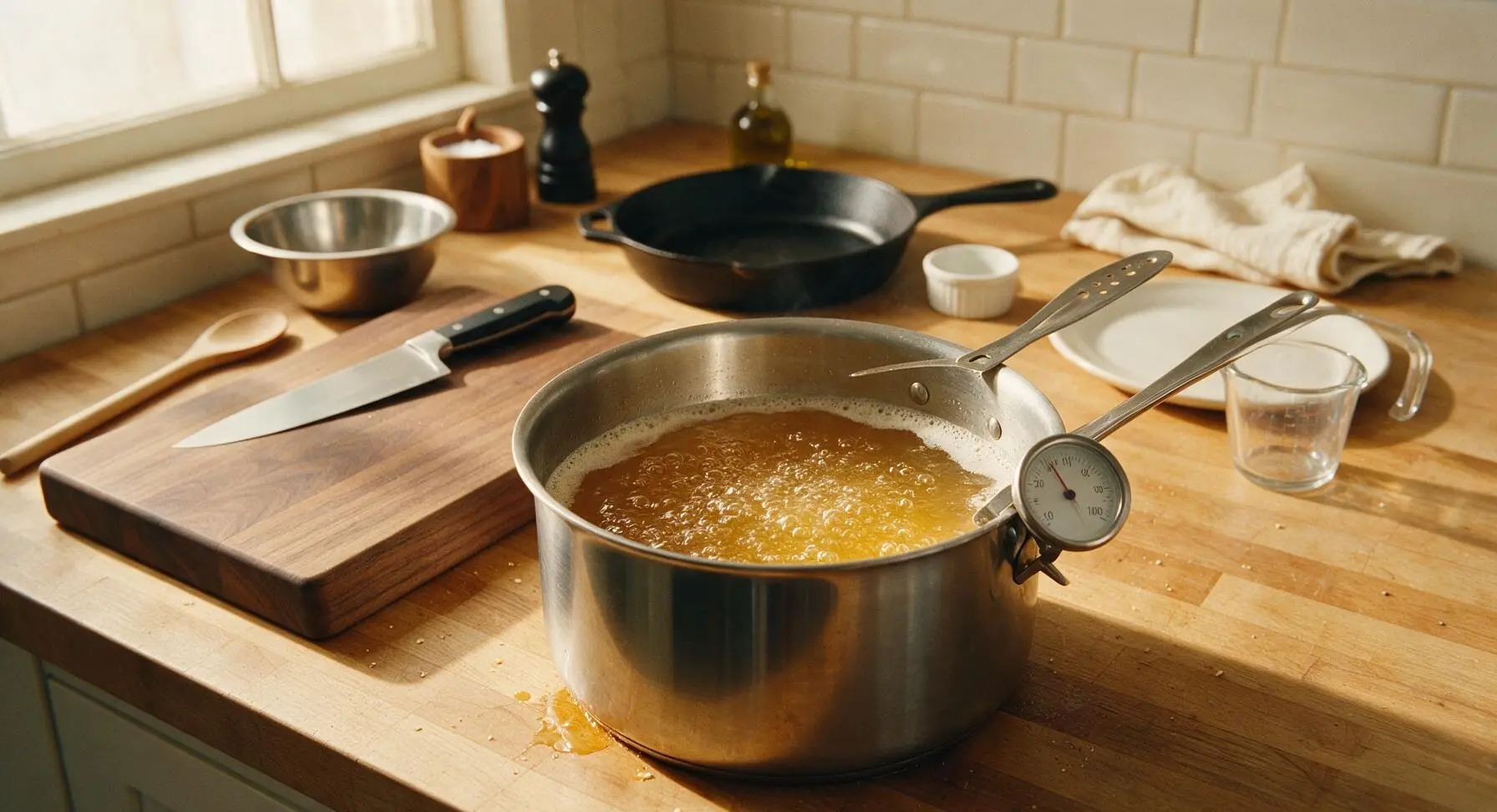
Add Bittering Hops
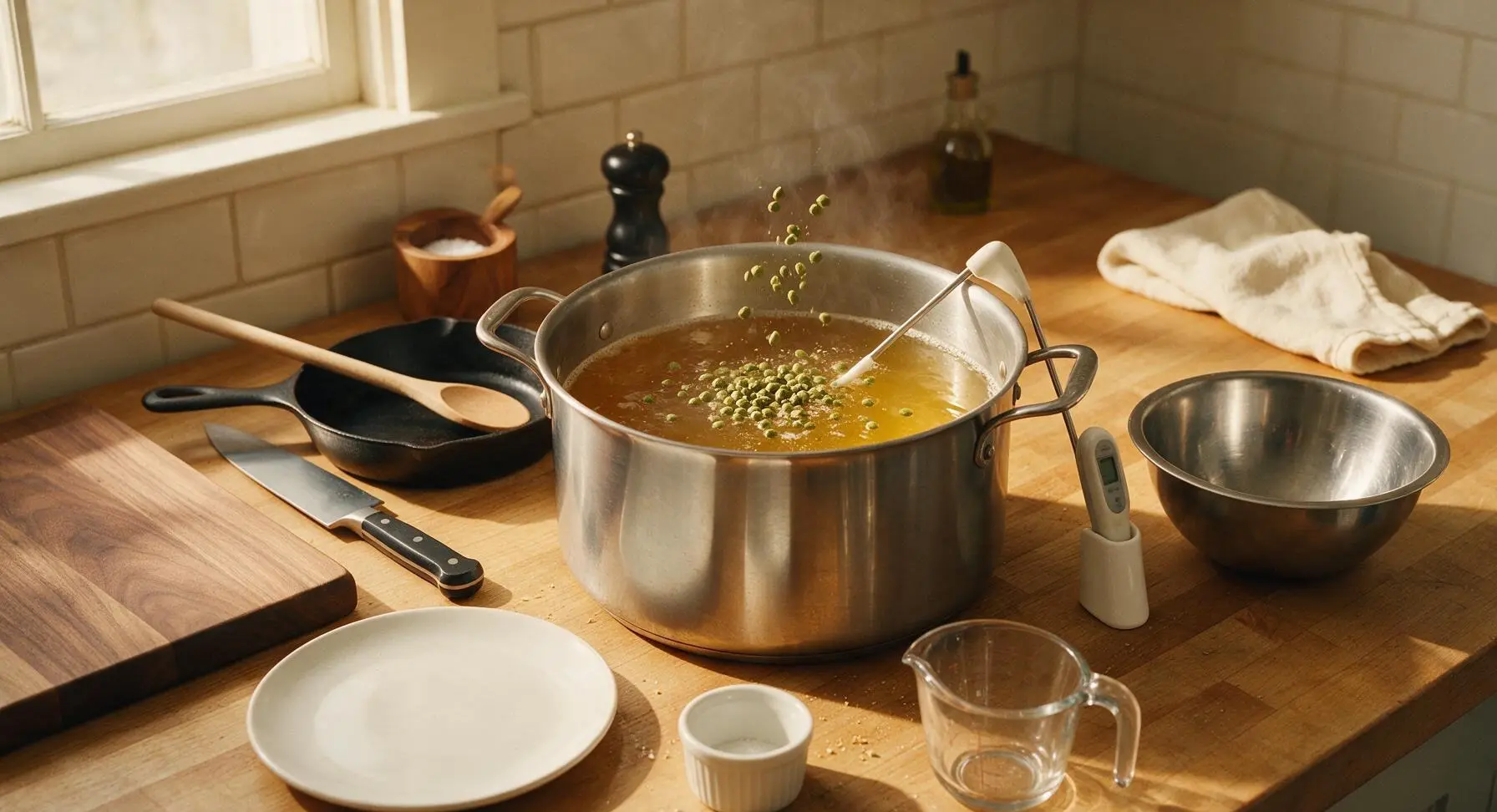
As soon as the 60-minute boil timer starts, add the first 3g portion of Hallertau hop pellets to the boiling wort. Stir gently to fully submerge the hops. This long boil extracts soft, spicy alpha acids from the Hallertau hops, creating the balanced, subtle bitterness that defines Dortmunder, without the sharp bite of a Pilsner. Adjust heat as needed to maintain a steady rolling boil without boilovers for the remainder of the hour.
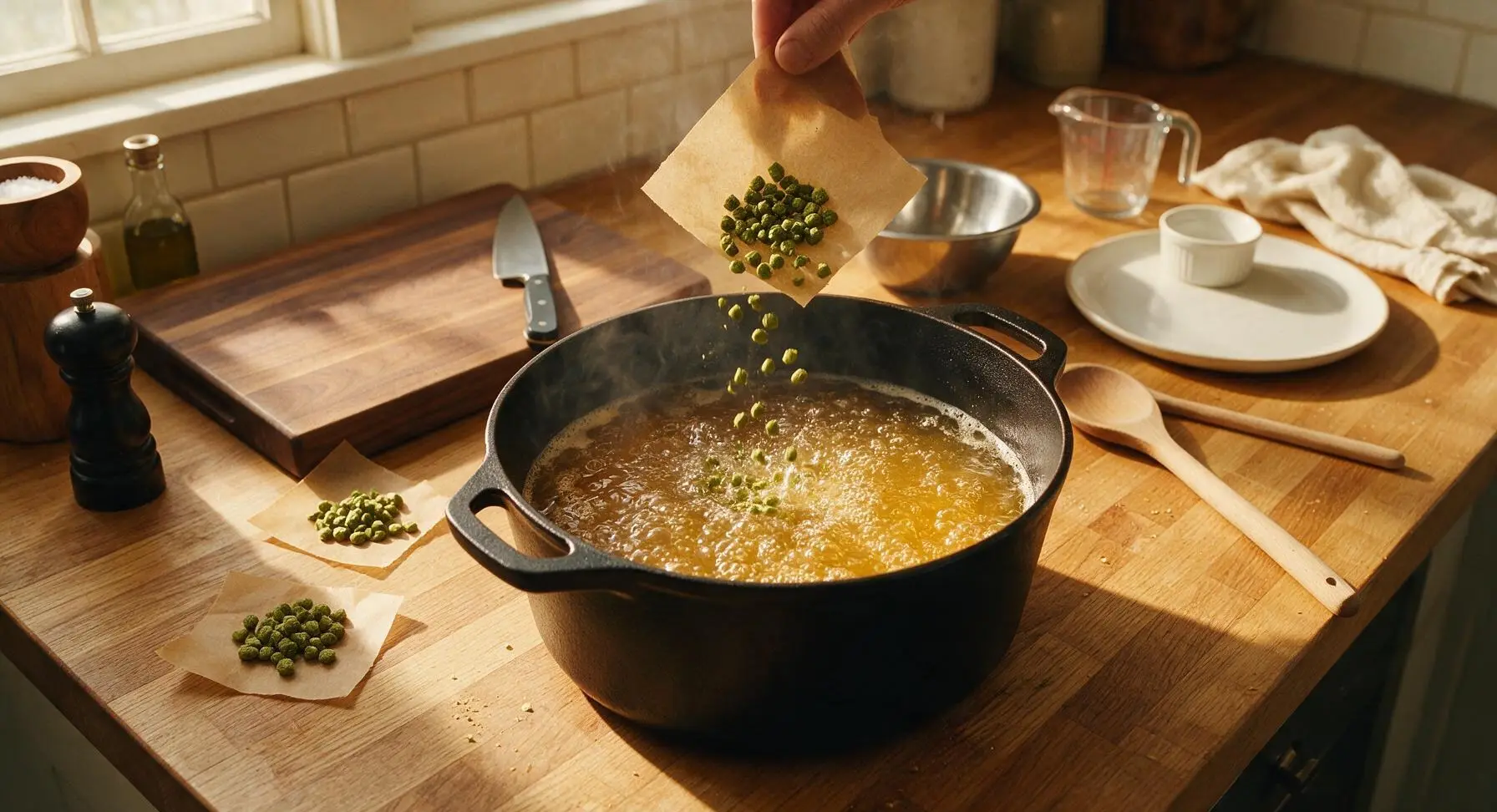
Add Flavor Hops, Irish Moss
When 15 minutes remain on the 60-minute boil timer (after 45 minutes of total boiling), add the second 1.5g portion of Hallertau hop pellets and 1/4 teaspoon of Irish moss to the wort. Stir gently to incorporate. The Irish moss will bind to loose protein particles in the wort as it boils, creating a clear, bright finished beer instead of a hazy pint. Maintain the steady rolling boil for the remaining 15 minutes.
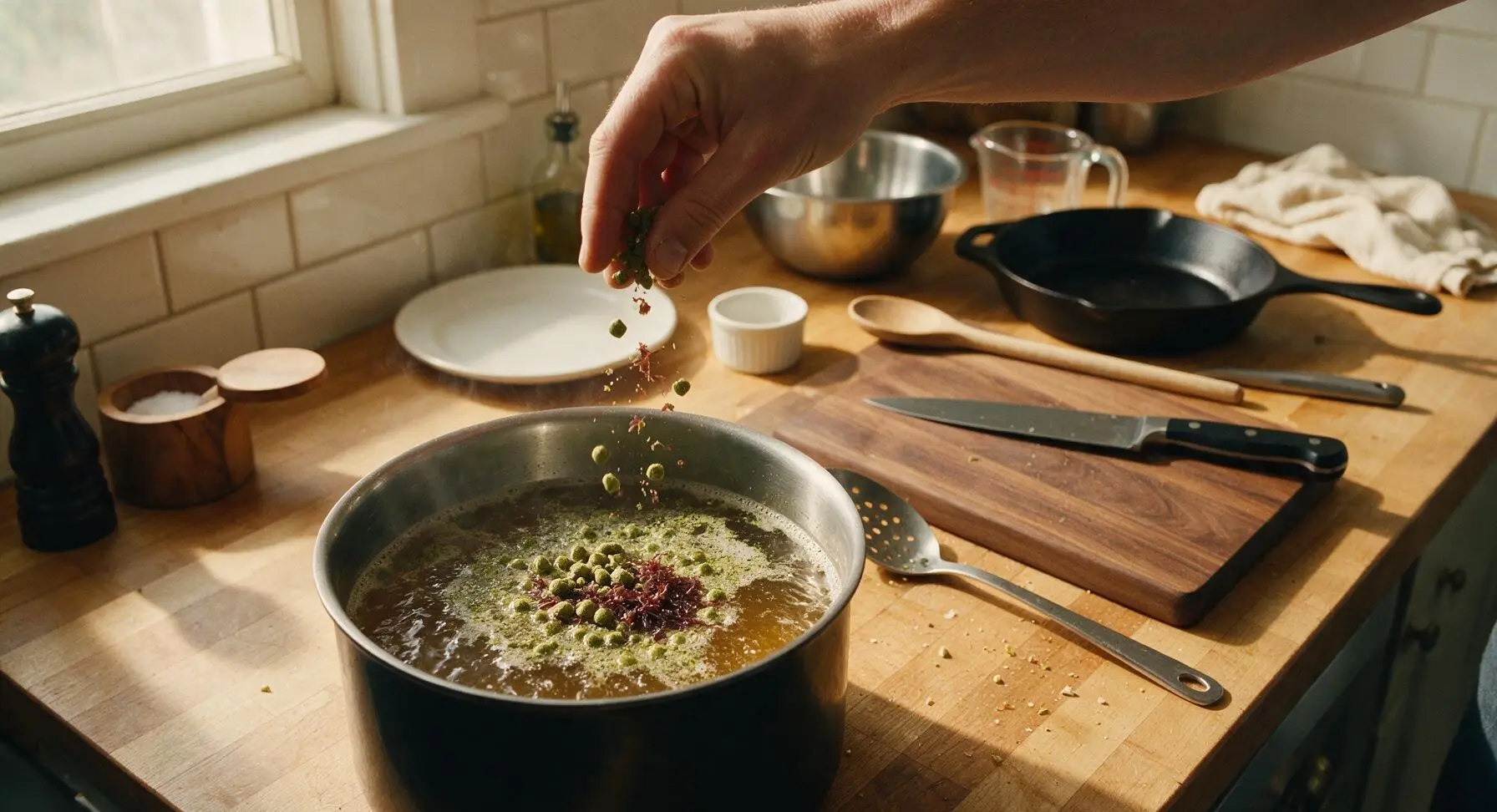
Add Aroma Hops, Cool Wort
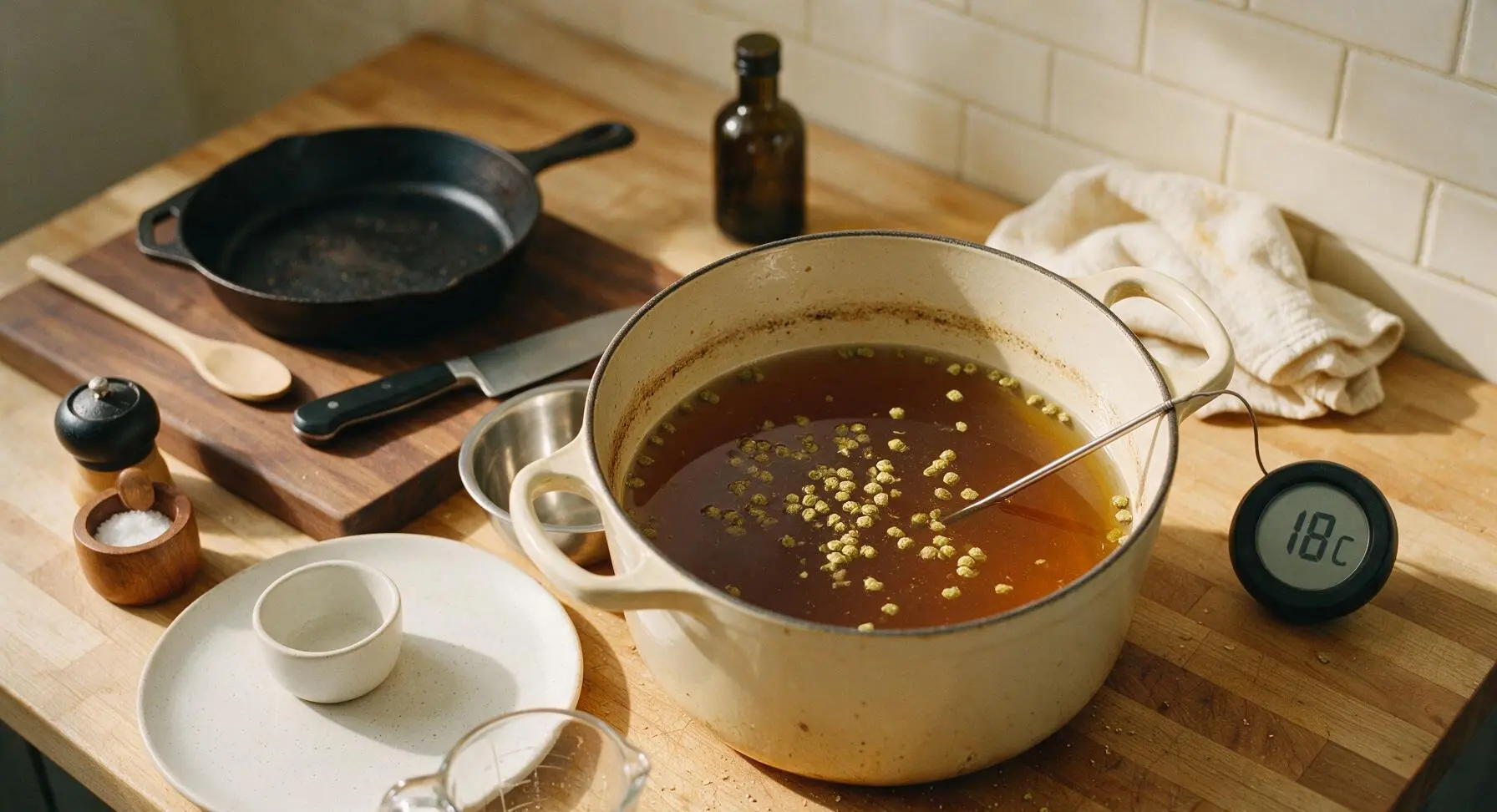
When the 60-minute boil timer goes off, turn off the heat immediately. Add the final 1.5g portion of Hallertau hop pellets to the hot wort, stir once to submerge, then allow the wort to cool on the counter to 18C (65F), checking temperature with the thermometer every 10 minutes. Aim to cool the wort within 30 minutes to reduce the risk of bacterial contamination and preserve delicate hop aroma. Do not cover the pot while cooling to avoid trapping off-flavors.
Transfer Wort, Pitch Yeast
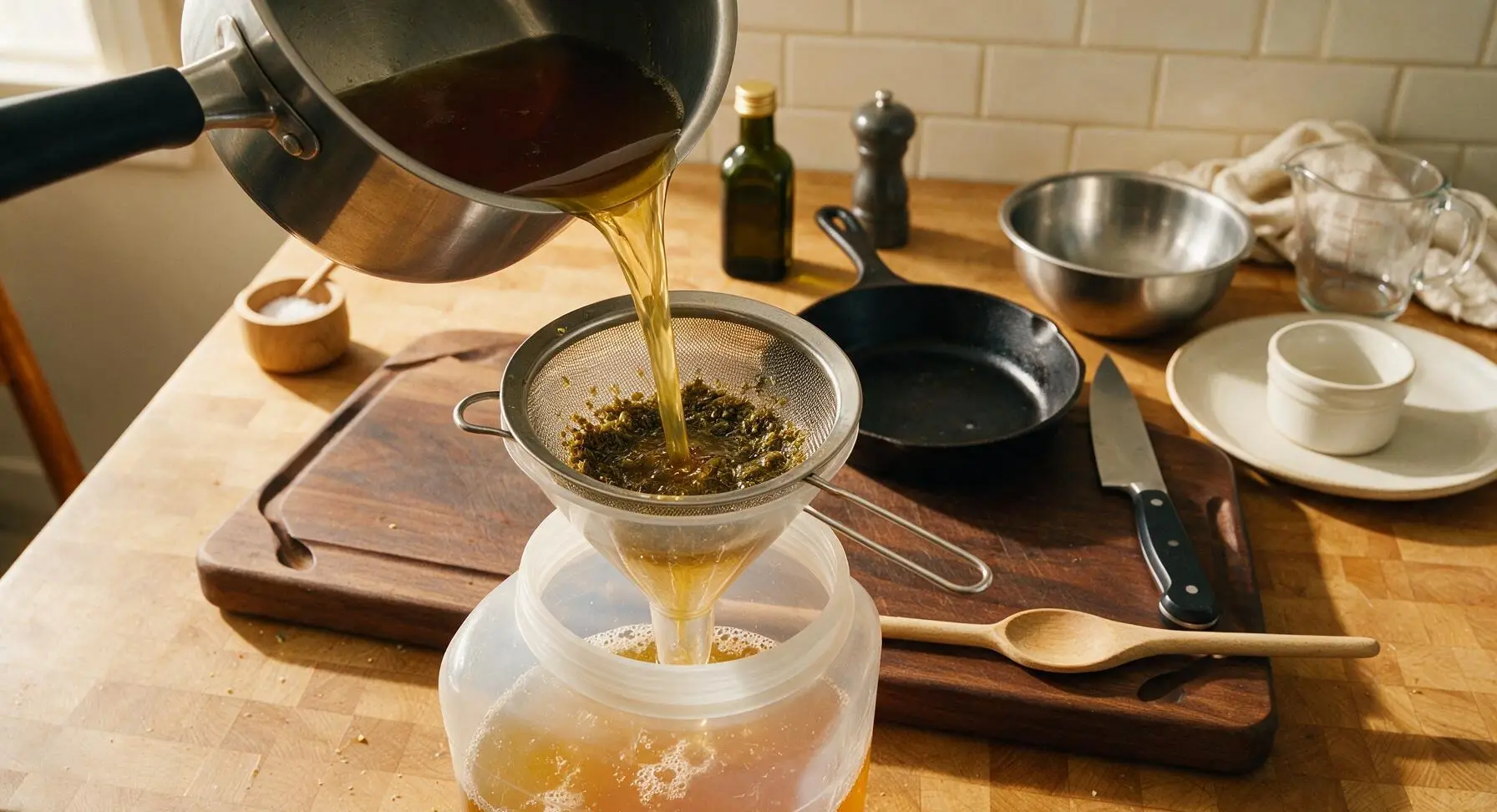
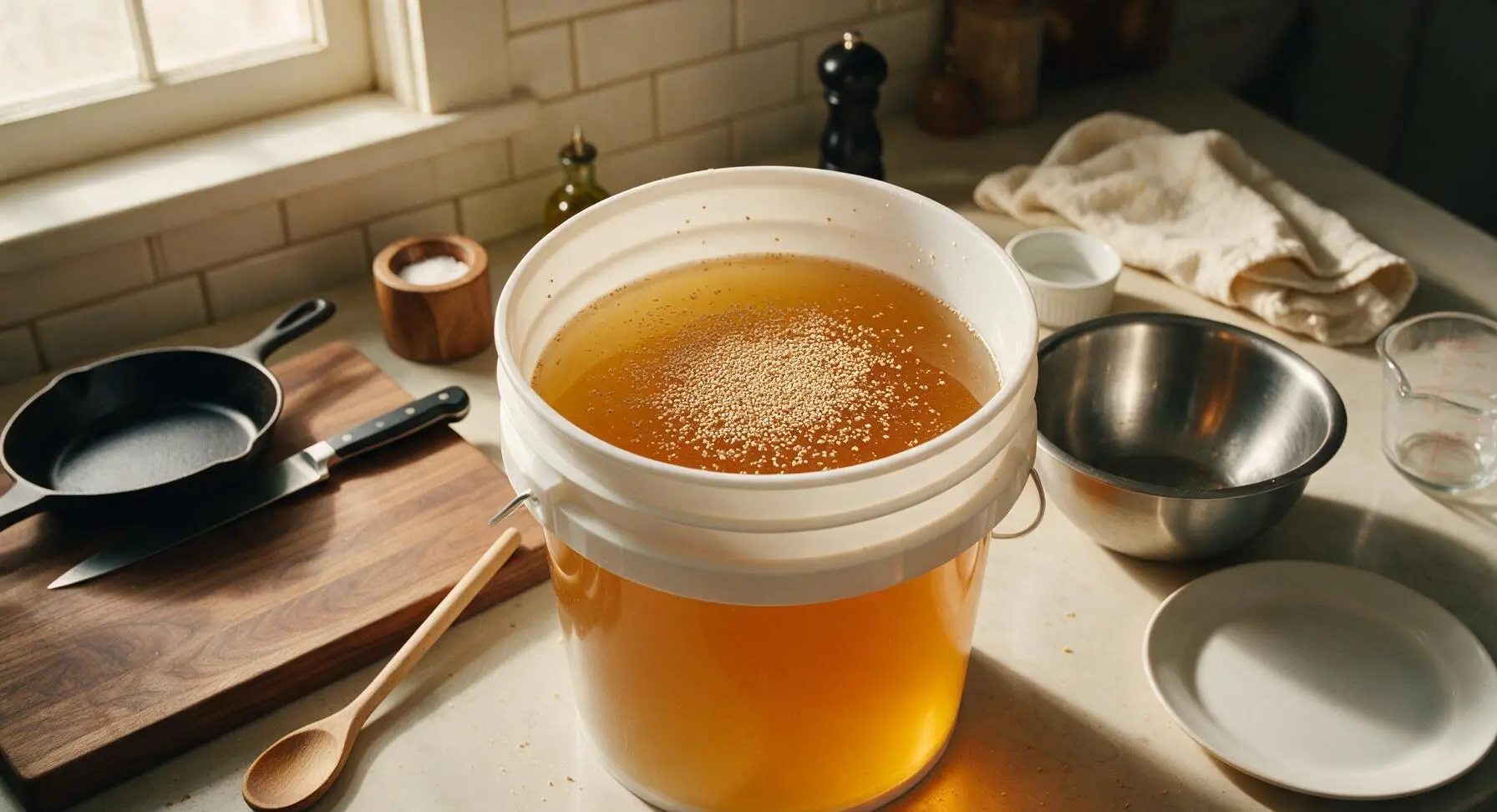
Once the wort reaches 18C, set the fine-mesh strainer in the small funnel, positioned over the mouth of the sanitized 1-gallon fermenter. Pour the cooled wort through the strainer to catch all hop solids, then top up the fermenter with additional filtered cold water to reach a total volume of 3.8L (1 gallon). Sprinkle the 2g of lager yeast evenly across the surface of the wort, then seal the fermenter tightly with the airlock lid, filling the airlock halfway with leftover sanitizer solution to allow carbon dioxide to escape while blocking airborne bacteria.
Ferment, Carbonate, Chill
Leave the sealed fermenter in a cool, dark spot with a consistent temperature of 12C (54F) for 2 weeks to allow primary fermentation, where yeast will convert wort sugars into alcohol and carbon dioxide. After 2 weeks, siphon the clear beer into sanitized glass bottles, adding the dissolved 30g of corn sugar evenly across the batch to create natural carbonation. Seal bottles and let condition at 12C for 2 more weeks, then chill to 4C (39F) for 24 hours before pouring.
Tips
2.Keep fermentation temperatures steady at 12C (54F): warmer temperatures will cause the lager yeast to produce fruity, estery notes that belong in ale styles, not the smooth, neutral flavor that makes Dortmunder such a versatile food-pairing beer.
3.Pour the finished beer slowly down the side of the pilsner glass to preserve the soft white head: pouring too quickly will create a large, quickly dissipating head and release too much carbonation, leading to a flat-tasting pint with less hop aroma.






OMG, I’ve been chasing that perfect crisp Dortmunder export taste for years after trying it on a trip to Germany, and this recipe is a total game changer! Cook time was exactly as listed, medium difficulty felt totally fair even for someone who’s only been homebrewing a year. Brought a growler to my neighborhood potluck last weekend and everyone was begging for the recipe. SO good, can’t wait to brew a second batch!
First time attempting a lager that wasn’t a basic cheap kit, and I was nervous about the medium difficulty rating, but the step-by-step instructions made it so straightforward! My husband is a total craft beer snob and he said it tasted better than the import we pick up at the specialty liquor store. We served it at our family dinner with brats and sauerkraut last night, total hit.
Solid recipe, but I will say I had to adjust the hop schedule a tiny bit to match the water profile out here in Colorado, came out a touch more bitter than I wanted on the first try. Going to tweak it and brew again next month, definitely a great base to work from!
Wait, has anyone tried brewing this with a slightly lower mash temp to get a drier finish? I love super crisp lagers and I’m wondering if a 148F mash instead of 152 would work here without throwing the whole flavor off. Planning to brew this for my brother’s welcome home party next month!
Okay y’all, I’m literally just getting into homebrewing, like I’ve only made one batch of hard seltzer before. Is this actually doable for a total beginner or should I get a few more ale batches under my belt first? The 90 minute cook time doesn’t scare me, I just don’t want to waste a whole batch of ingredients!
Game changer for tailgates! I brewed this a couple weeks ago and brought a keg to our Browns watch party last Sunday, people were going back for refills all game long. Even my buddy who only drinks big name domestic beer said it was the best homebrew he’s ever had. 10/10, will be a regular in my brew rotation.
It’s a solid lager, but I’m definitely more of a sour and IPA girl so it was a little too malt-forward for my personal taste. My roommate who loves classic lagers absolutely raved about it though, so I’ll be passing the recipe along to him. Instructions were super clear, no issues with the process at all.
Wait, how long does this keep in the bottles for? I want to brew a big batch to have on hand for all our summer backyard cookouts and potlucks, but I don’t want it to go skunky or lose that crisp flavor before we get through it all. My kids even asked if we can make “dad’s fancy beer” a staple for our Friday pizza nights!
Loved how accessible the ingredients for this are! I was worried I’d have to order specialty hops and malt online and pay a fortune in shipping, but my local homebrew shop had every single thing on the list. Total cook time was right at 90 minutes like the recipe said, no hidden extra steps. Tastes exactly like the Dortmunder I remember drinking when I visited Ohio a few years back.
SO good, I tested this recipe last month and it was the perfect test run for my Oktoberfest homebrew lineup this fall. I added a tiny extra pinch of Hallertau hops for a little more aroma and it was chef’s kiss. Already got a second batch fermenting for our annual fall camping trip with the whole family.