
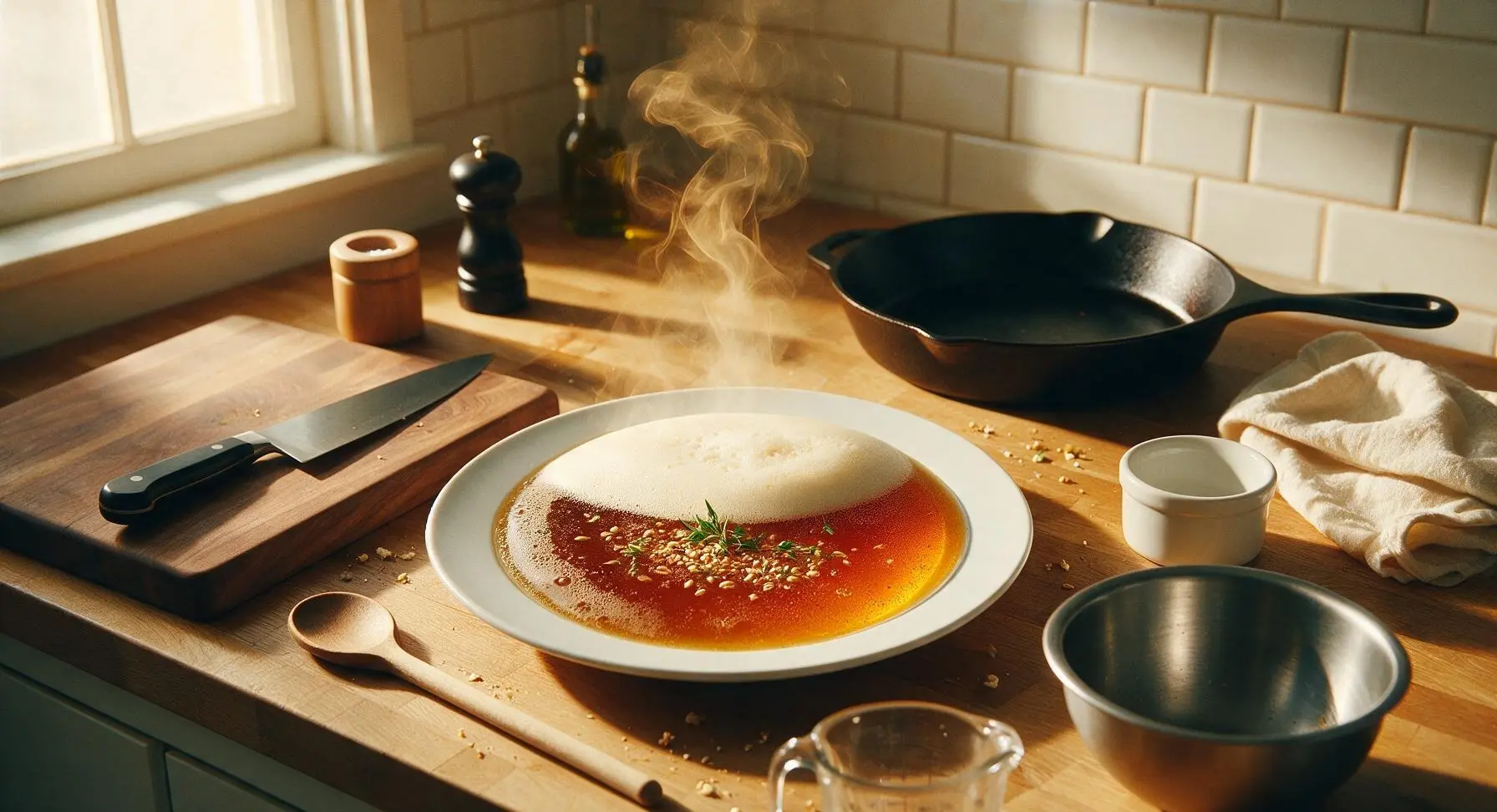
Düsseldorfer Alt

title 1
Düsseldorfer Alt
⏱️ cook time 1 hour 20 minutes
🍽️ servings 10
⚡ Difficulty medium

intro

Traditional copper-hued top-fermented altbier from Düsseldorf, with balanced bready malt depth, subtle floral noble hop bite, and a clean, dry finish—smooth, drinkable, and true to local brewing tradition.

Ingredients
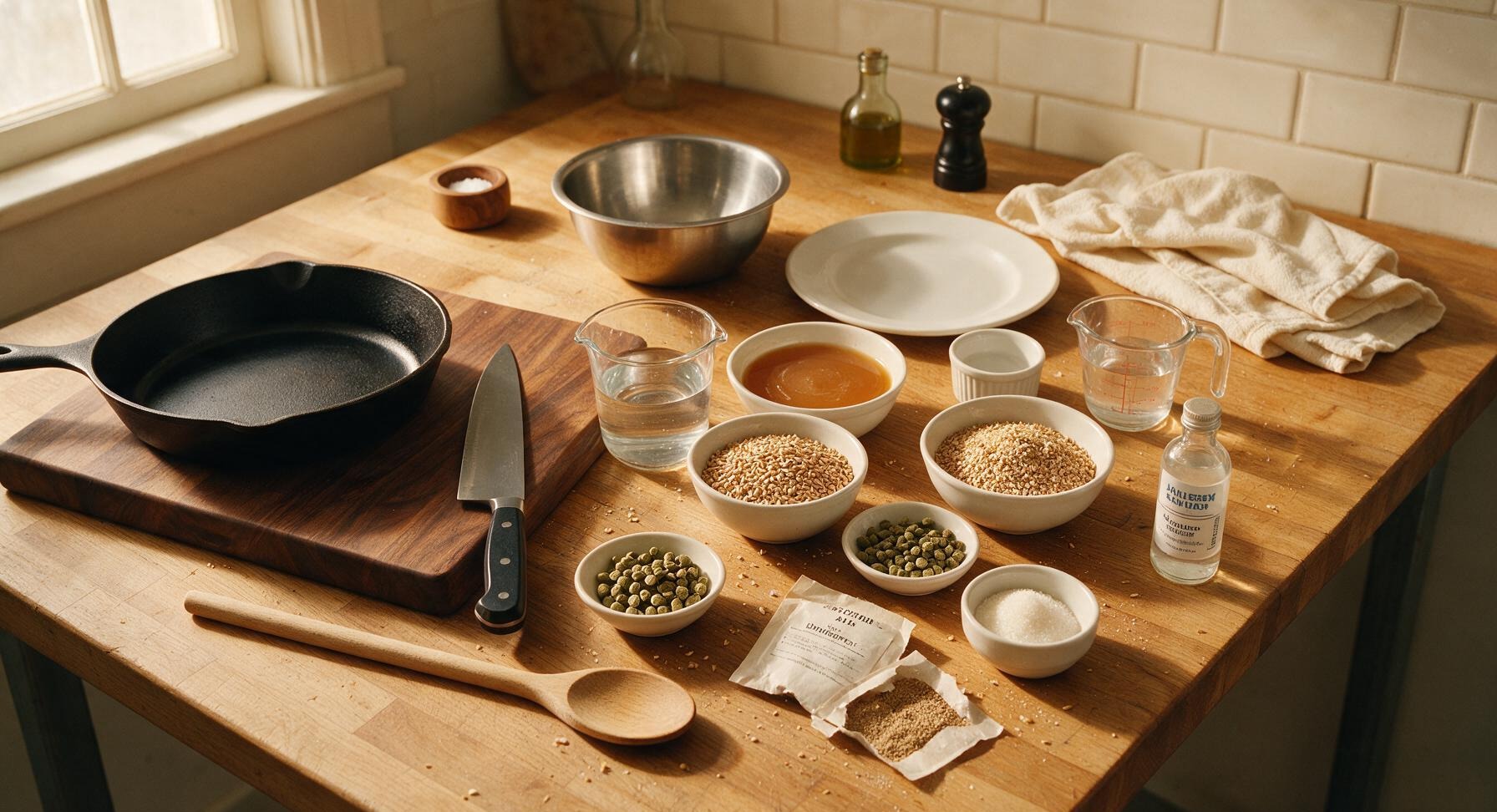
Filtered water 4.5L (1.2 gallons)
Light 2-row liquid malt extract 1.2kg (2.6 lbs)
Crushed Munich malt (10L) 113g (4 oz)
Hallertau noble hop pellets (bittering) 14g (0.5 oz)
Hallertau noble hop pellets (aroma) 7g (0.25 oz)
Dry altbier top-fermenting yeast 1 packet (5g)
Corn sugar (bottle priming) 28g (1 oz)
No-rinse brewing sanitizer 15ml

Steps

1

Sanitize All Equipment

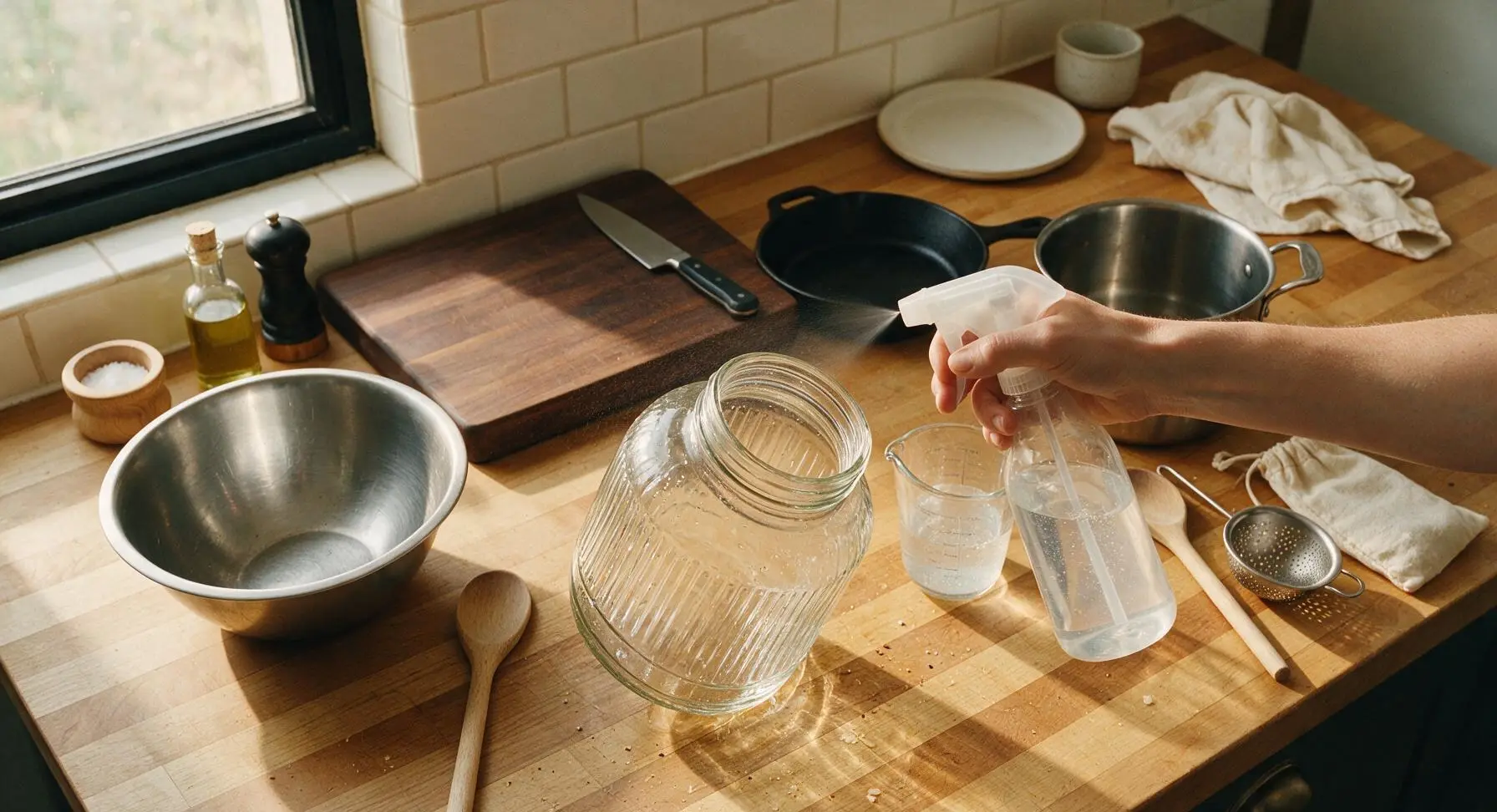
Mix 15ml no-rinse brewing sanitizer with 1L cool filtered water in the clear glass measuring cup. Use the clear plastic spray bottle to apply sanitizer to every surface that will touch the beer: the stock pot, fermentation jug, stirring spoon, thermometer, strainer, muslin bag, airlock, siphon, bottles, and caps. Allow items to air dry for 2 minutes; do not wipe sanitizer away, as this can introduce unwanted bacteria that causes off-flavors.
Step 1
step1:Sanitize All Equipment
2

Steep Crushed Malt Grains

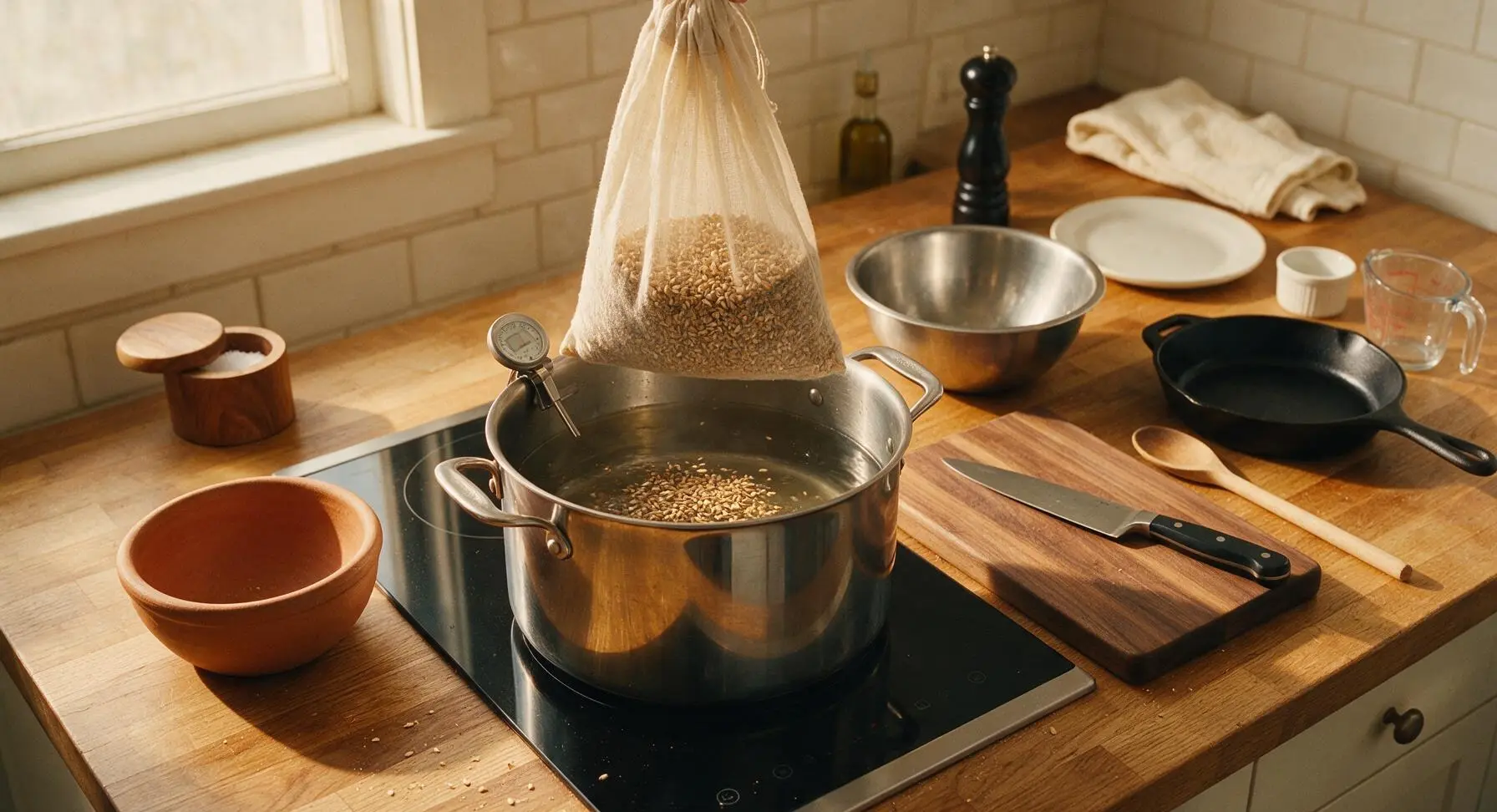
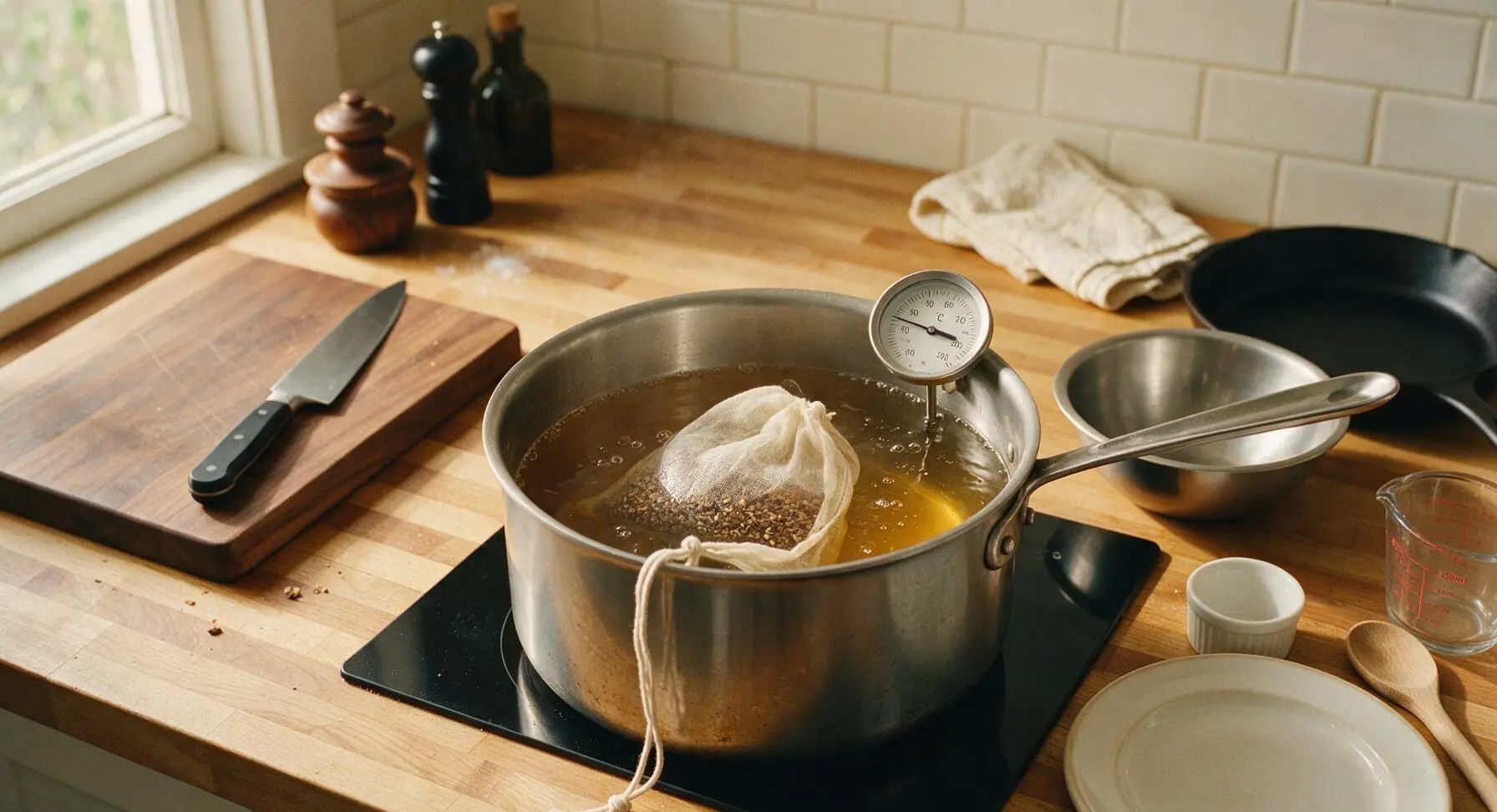
Pour 3L filtered water into the 8-quart stainless steel stock pot, set on the centered induction cooktop, and heat to 68C (155F). Place the crushed Munich malt in the muslin steeping bag, tie the drawstring closed, and submerge in the warm water. Hold the temperature steady between 65-70C (149-158F) for 20 minutes, stirring once gently with the slotted spoon. Do not boil the grains, as this extracts harsh, bitter tannins. The water will darken to a rich pale amber as malt flavor steeps out.
Step 2
step2:Steep Crushed Malt Grains
Step 2
step2:Steep Crushed Malt Grains
3

Bring Wort to Boil

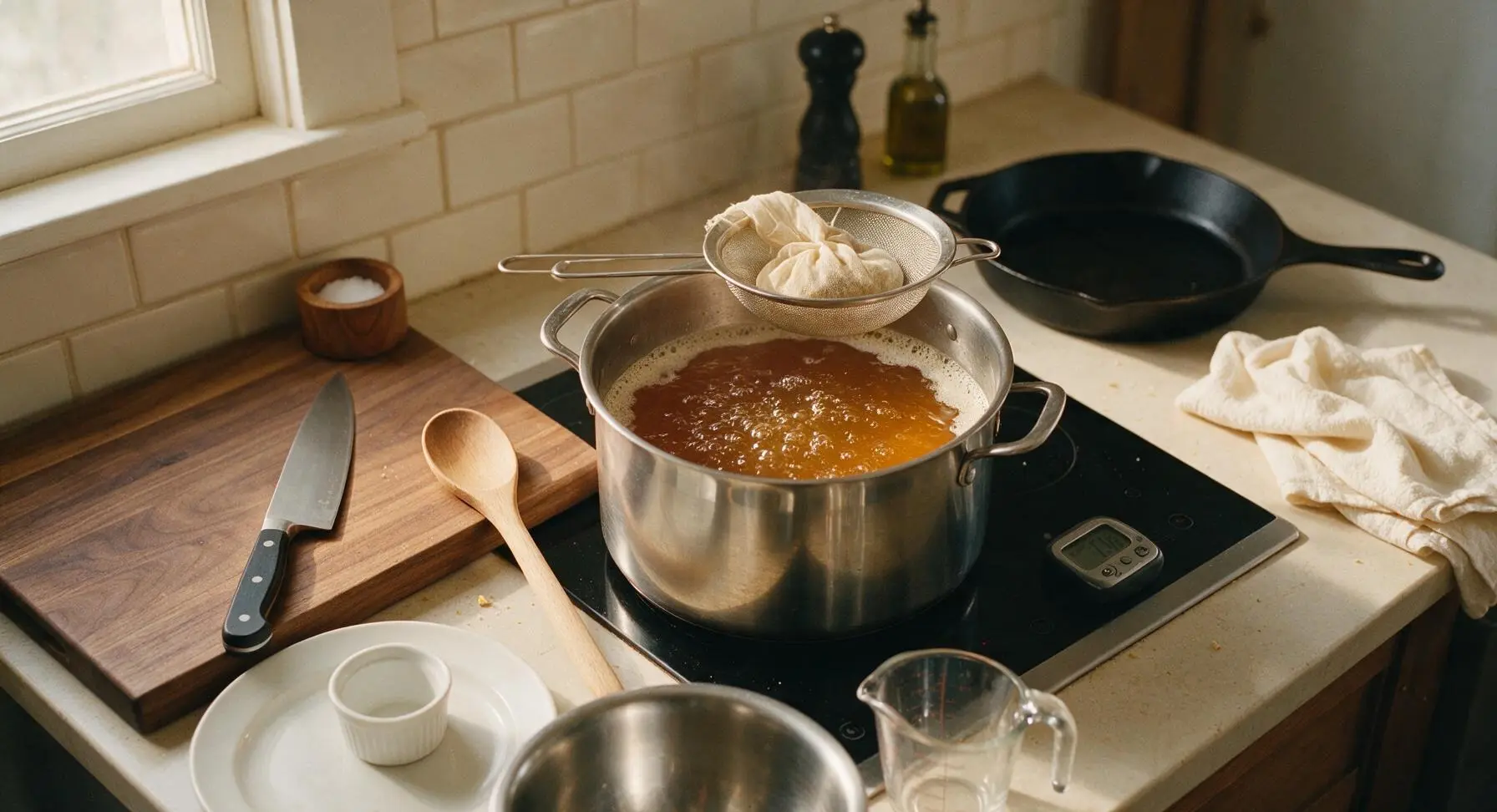
After 20 minutes of steeping, lift the muslin grain bag out of the wort and set it on the fine-mesh strainer placed across the pot edge to drain fully; do not squeeze the bag. Turn the induction cooktop to high heat, and bring the amber wort to a gentle, rolling boil (100C/212F). Watch closely as foam forms, to avoid messy boil-over as the wort reaches boiling temperature.
Step 3
step3:Bring Wort to Boil
4

Add Bittering Hops

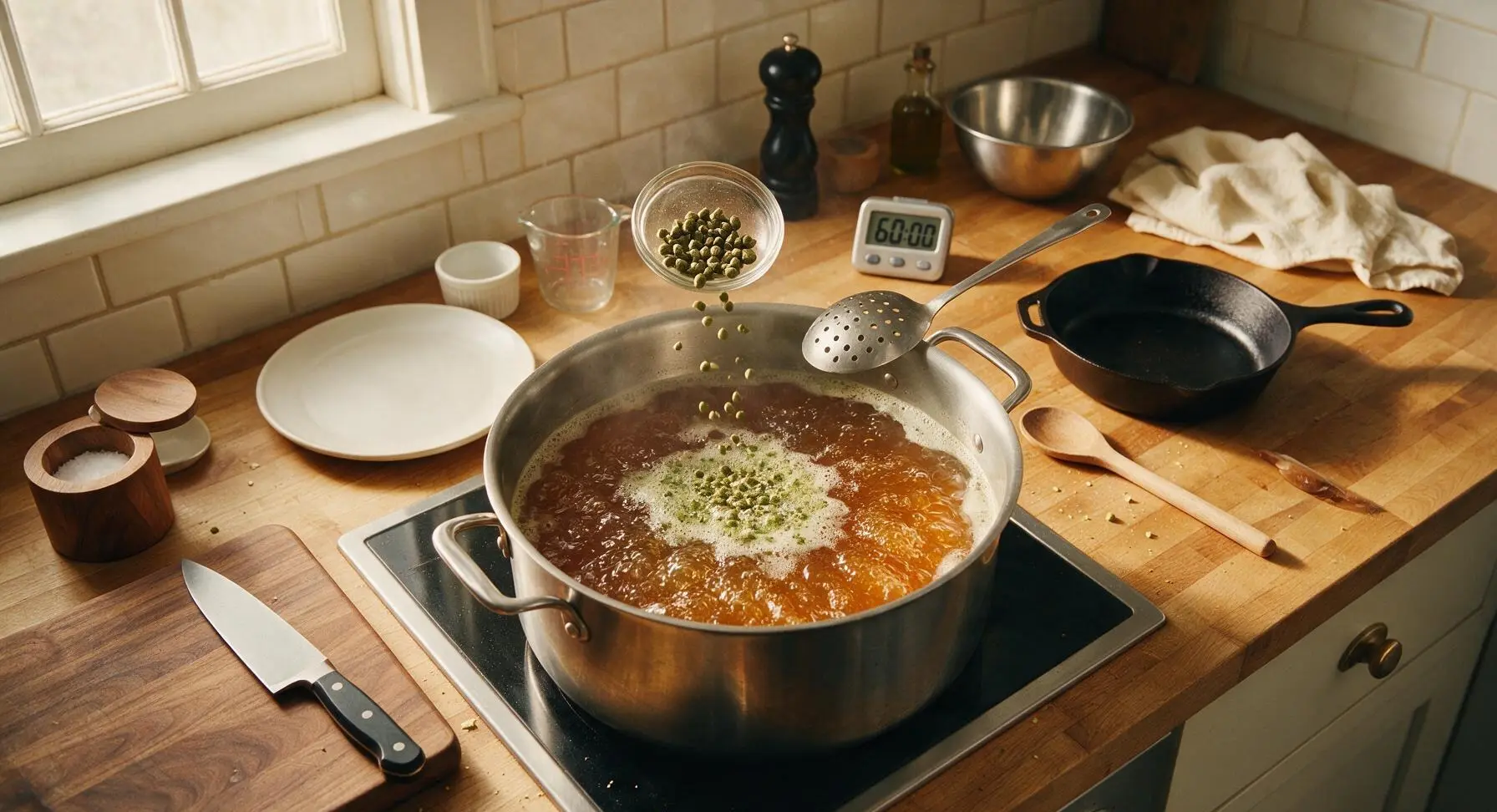
Once the wort reaches a steady rolling boil, add the 14g (0.5oz) portion of Hallertau hop pellets. Start the 60-minute boil timer, and adjust heat to maintain a gentle, non-violent boil. Stir the wort every 10 minutes with the slotted stainless steel spoon. The hop pellets will break apart quickly, creating a thin, green-tinged foam across the wort surface.
Step 4
step4:Add Bittering Hops
5

Add Late Aroma Hops

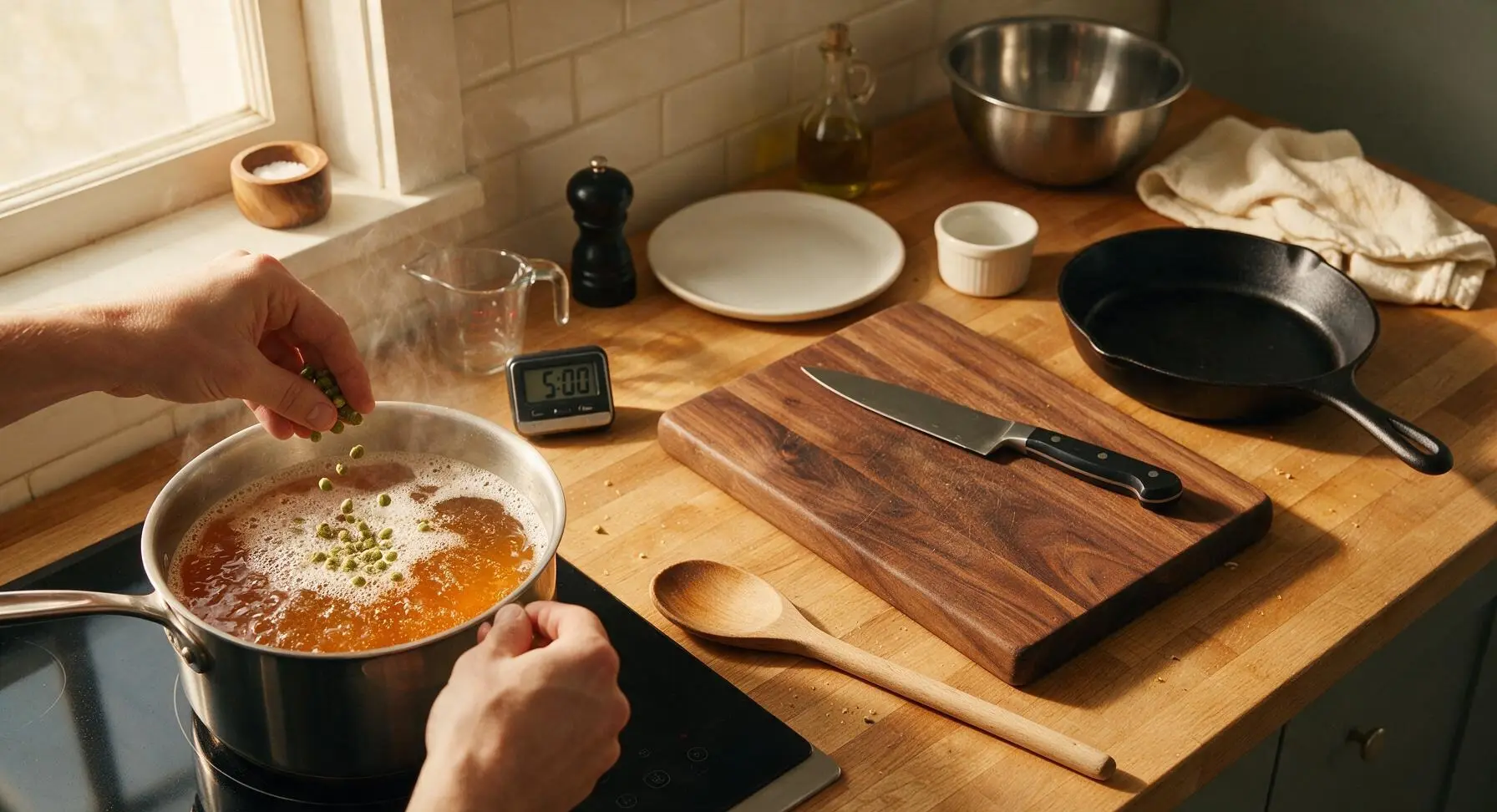
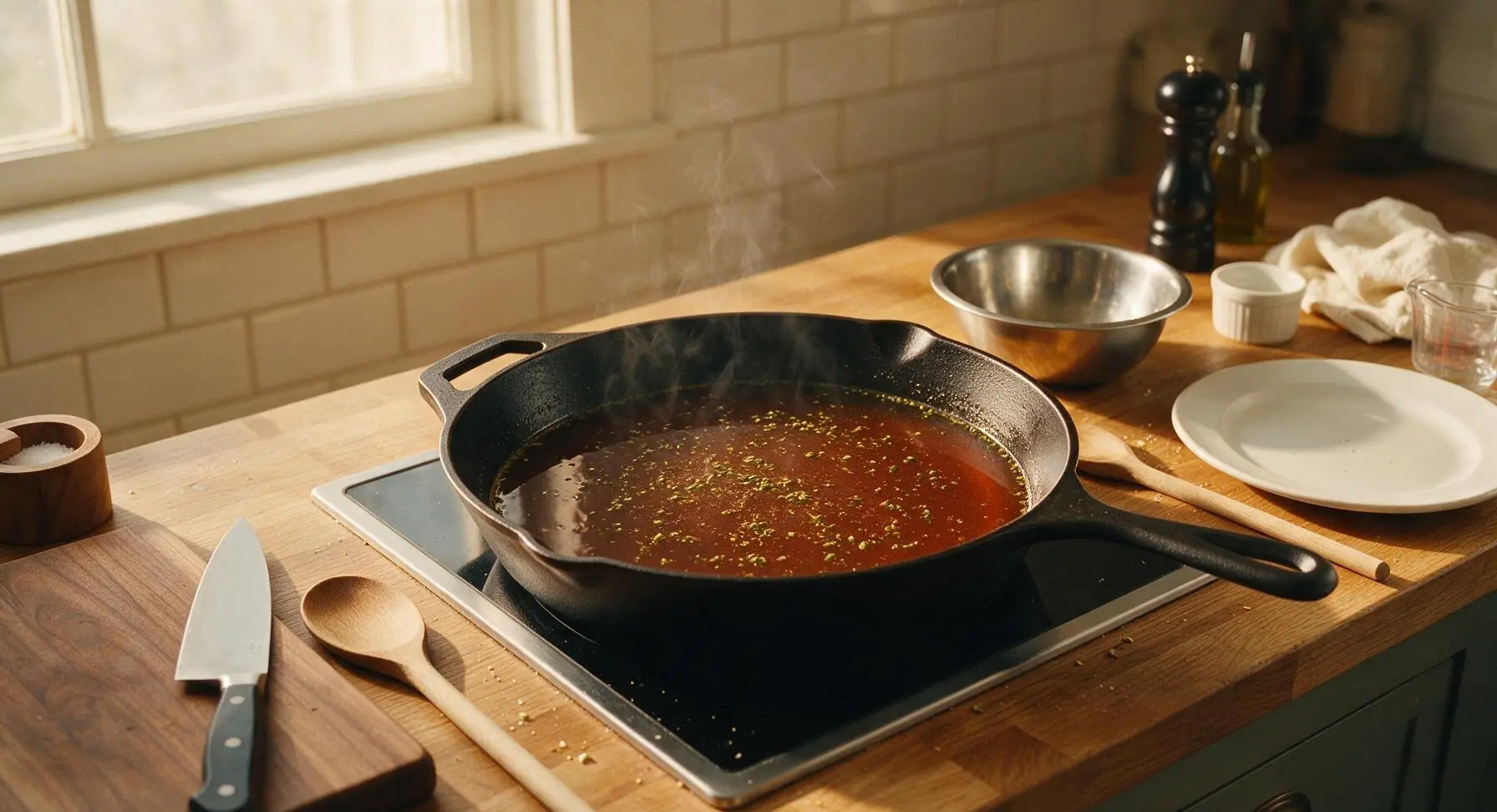
When the boil timer shows 5 minutes remaining, add the 7g (0.25oz) remaining Hallertau hop pellets for bright, floral, spicy aroma. Adding hops late in the boil preserves delicate noble hop oils that would boil away if added earlier. When the 60-minute total boil time elapses, turn the induction cooktop off immediately.
Step 5
step5:Add Late Aroma Hops
Step 5
step5:Add Late Aroma Hops
6

Cool Wort and Pitch Yeast

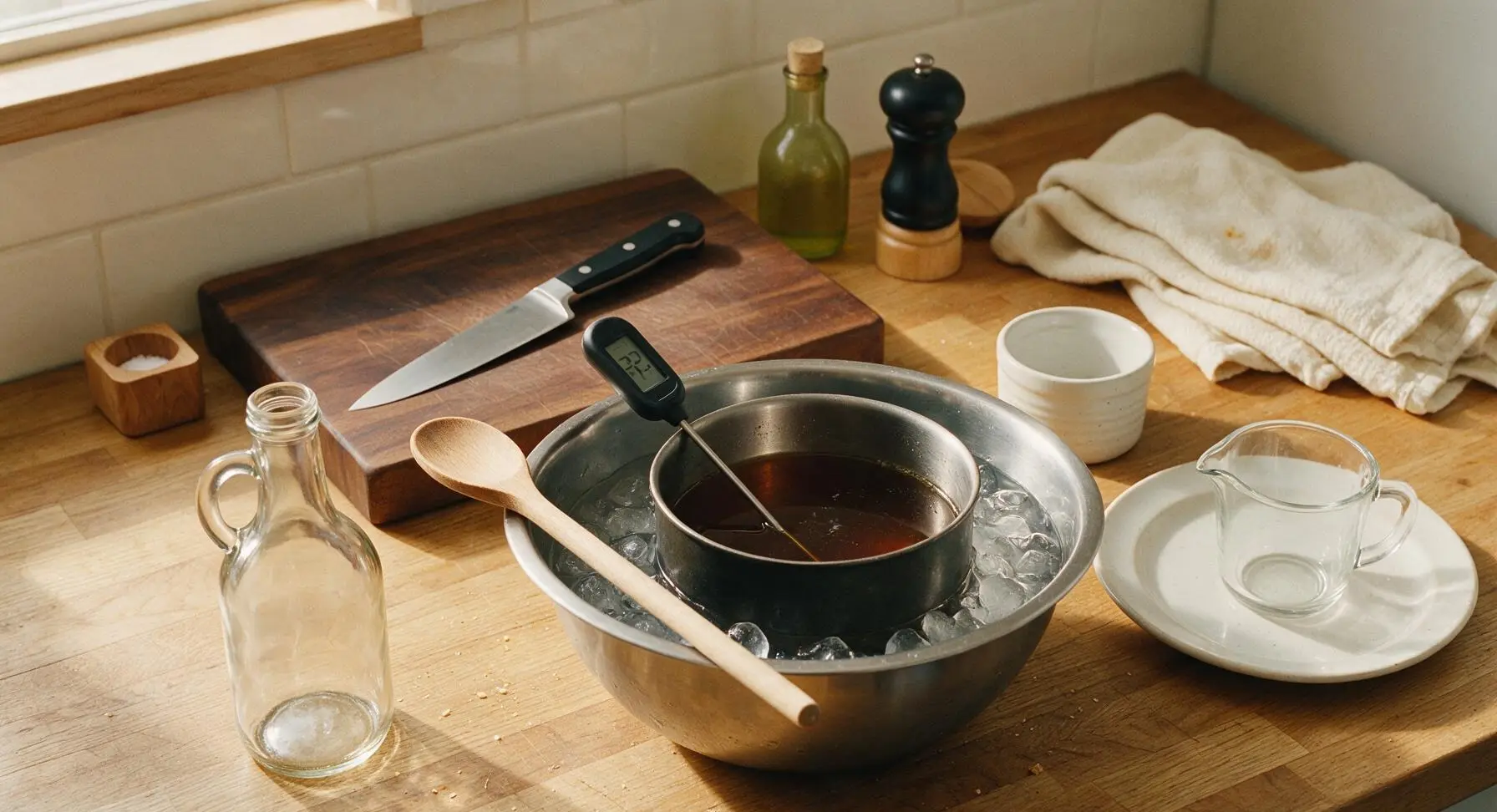
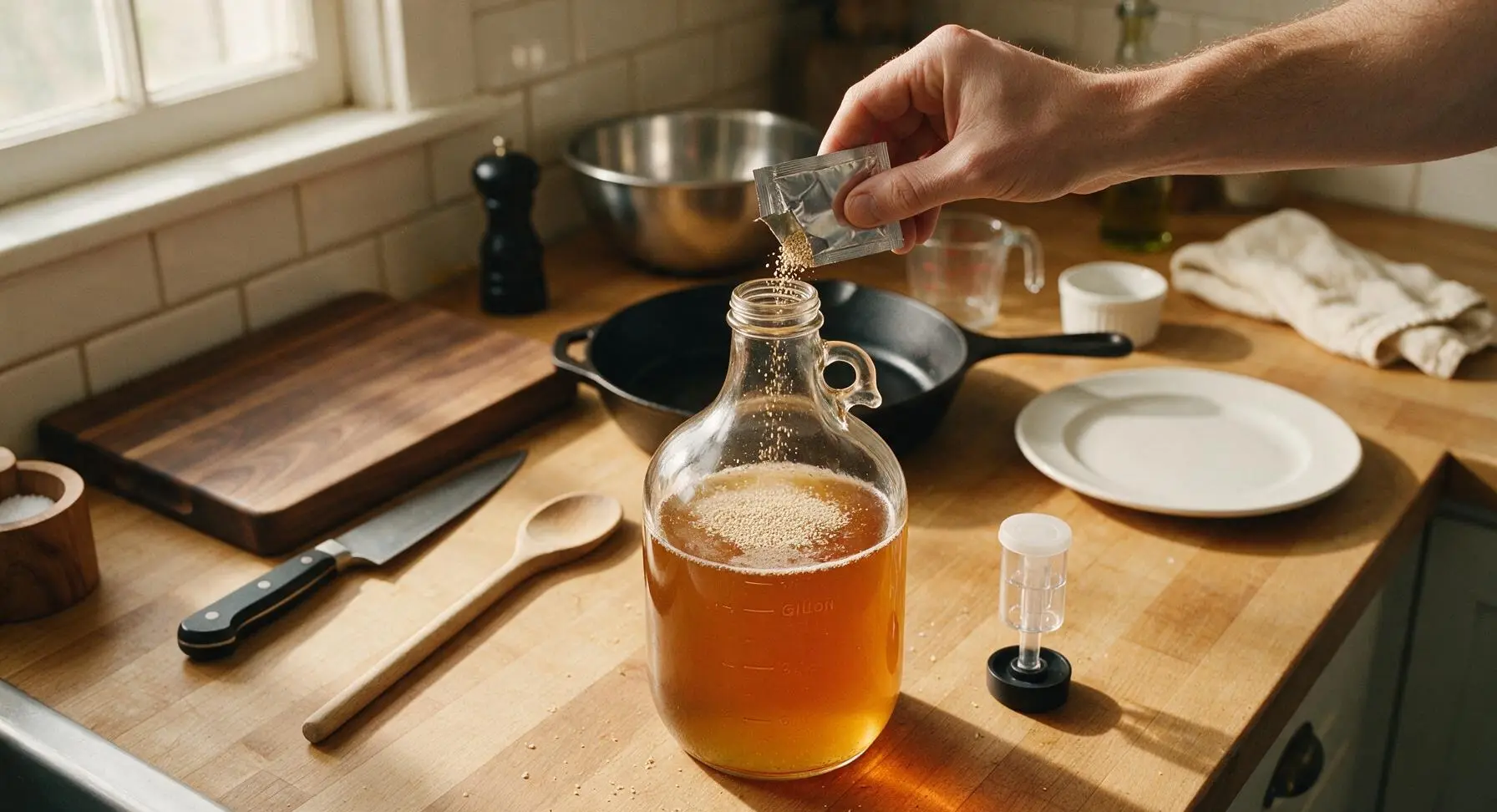
Set the hot stock pot inside the large stainless steel mixing bowl, and fill the bowl with ice water surrounding the pot to cool the wort quickly to 21C (70F), approximately 15 minutes. Pour the cooled wort through the fine-mesh strainer into the sanitized glass fermentation jug, top up with cool filtered water to reach the 1-gallon etched mark if needed. Sprinkle the dry altbier yeast evenly over the wort surface, then seal the jug with the rubber stopper and airlock, filling the airlock halfway with sanitizer solution.
Step 6
step6:Cool Wort and Pitch Yeast
Step 6
step6:Cool Wort and Pitch Yeast
7

Ferment and Condition

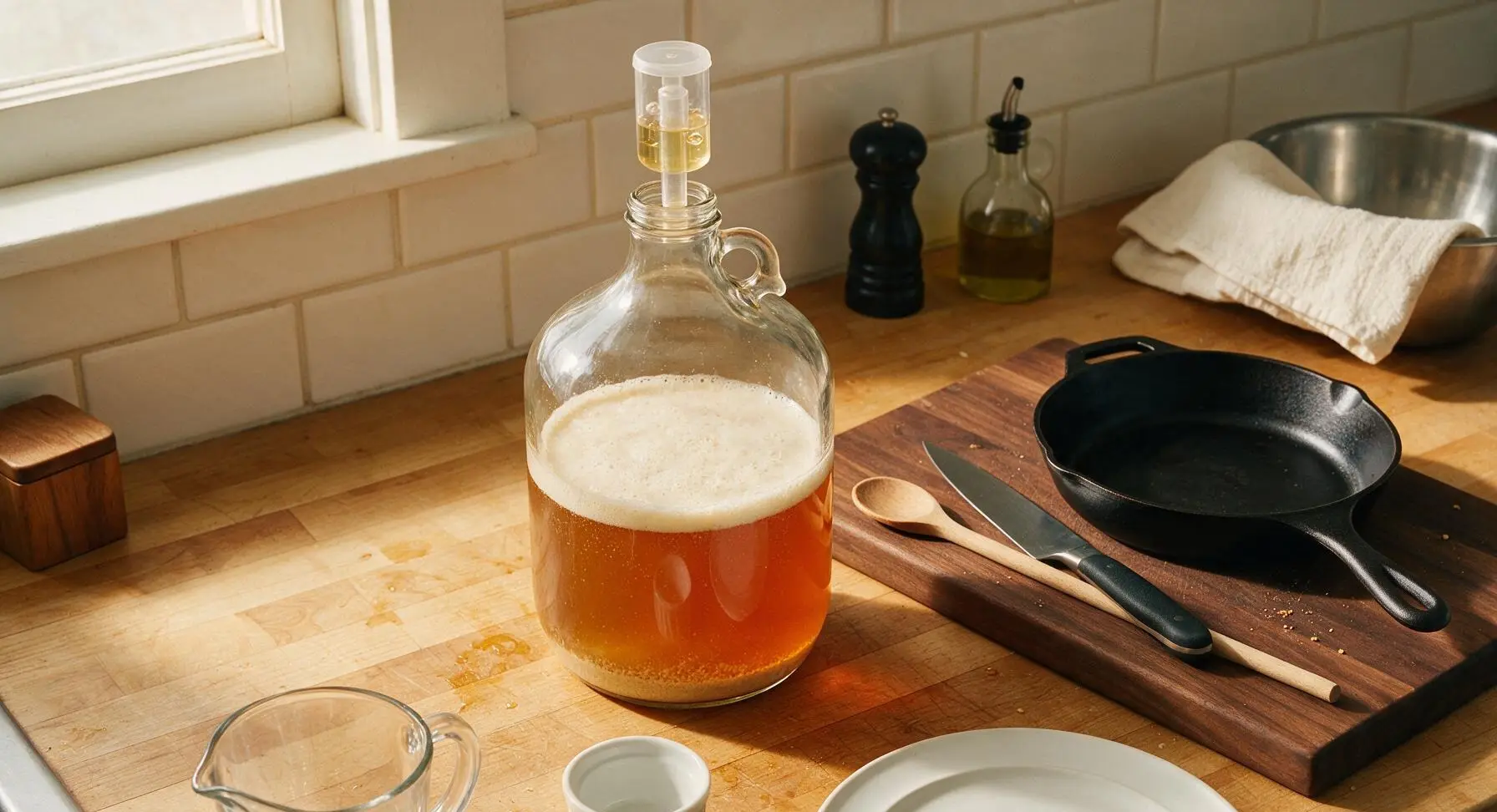
Leave the sealed fermentation jug in a dark spot at a steady 18-20C (65-68F) for 7 days, until bubbling in the airlock slows to 1 bubble every 30 seconds, marking the end of primary fermentation. Move the jug to a cooler 10C (50F) location for 14 days of cold conditioning, which smooths harsh flavors and allows yeast sediment to settle to the bottom, producing a crystal-clear beer.
Step 7
step7:Ferment and Condition
8

Bottle and Carbonate

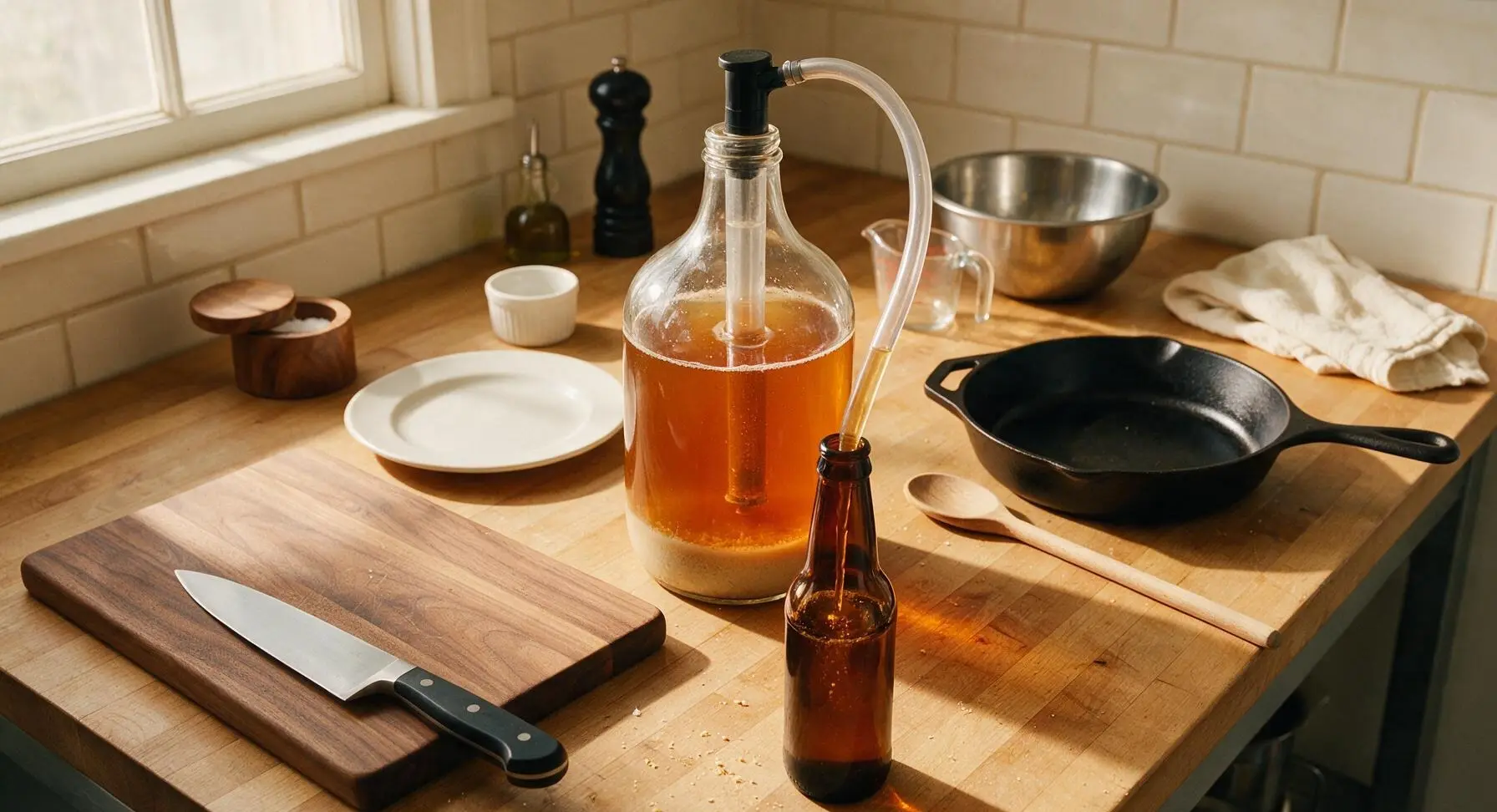
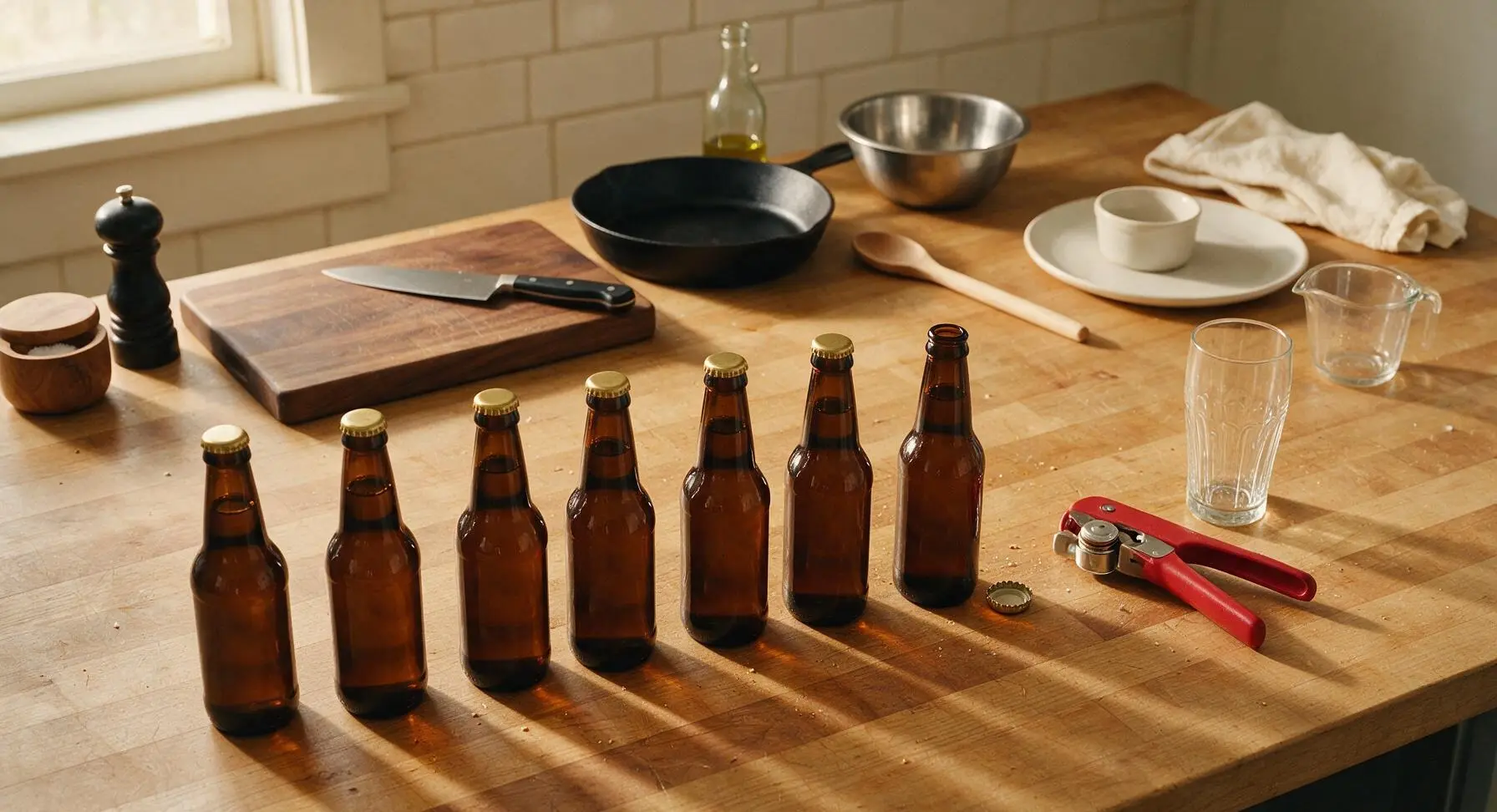
Boil the 28g (1oz) corn sugar with 120ml water for 5 minutes, cool completely, and pour into the bottom of a sanitized bottling vessel. Use the auto-siphon to gently transfer clear, conditioned beer from the fermentation jug into the vessel, taking care not to disturb the yeast sediment at the jug bottom. Fill each sanitized amber bottle to 2cm below the lip, crimp gold crown caps tightly with the red bottle capper, and let bottles rest at 18-20C (65-68F) for 10 days to build natural carbonation. Chill fully before serving.
Step 8
step8:Bottle and Carbonate
Step 8
step8:Bottle and Carbonate

Tips

1.Never squeeze the muslin grain bag after steeping: squeezing presses harsh, astringent tannins from grain husks into the wort, which creates an unpleasant dry, puckering aftertaste that masks the smooth, bready malt flavor characteristic of Düsseldorfer Alt.
2.Cool your wort as quickly as possible after boiling: rapid cooling prevents formation of dimethyl sulfide, a compound that creates off-flavors reminiscent of canned corn, and reduces the window where unwanted bacteria can colonize the warm wort before yeast is added.
3.Avoid disturbing the yeast sediment when siphoning beer into bottles: transferring the trub (sediment) will result in cloudy, yeasty-tasting beer instead of the brilliant, clear copper appearance and clean flavor that defines traditional altbier.


✨ You May Also Like

Drinks & Beverages
🍜 Mexico

A bright, balanced tequila-based cocktail with zesty fresh lime, smooth orange liqueur, and a signature salt rim, perfect for warm summer sipping.

⏱️ 5 minutesDrinks & Beverages ★ 4.9
Drinks & Beverages
🍜 United States

Thick, creamy, nostalgic classic vanilla milkshake with a rich, smooth texture, topped with whipped cream and a cherry for cool, sweet refreshment.

⏱️ 5 minutesDrinks & Beverages ★ 4.7
Drinks & Beverages
🍜 United States

A bright, golden strong ale with fruity banana-clove notes, subtle hop spice, and soft carbonation, brewed in classic Trappist Tripel tradition.

⏱️ 2 hours aDrinks & Beverages ★ 4.5
Drinks & Beverages
🍜 United States

A frothy, nostalgic American soda fountain treat pairing bubbly cold root beer with creamy vanilla ice cream, perfect for cooling down at warm weather gatherings.

⏱️ 20 minuteDrinks & Beverages ★ 4.8
Drinks & Beverages
🍜 United States

Tart, funky, effervescent American Wild Ale is a complex fruity craft beer brewed with wild yeast, delivering bright, zesty notes perfect for warm-weather sipping.

⏱️ 2 hours aDrinks & Beverages ★ 4.4
Drinks & Beverages
🍜 United States

Bright, bubbly copycat of the iconic American caramel cola, balanced with citrus and warm spice, perfect for sipping ice-cold on hot days.

⏱️ 15 minuteDrinks & Beverages ★ 4.8

Düsseldorfer Alt:Frequently Asked Questions

1.What gives this Düsseldorfer Alt its signature copper color? ▾
That iconic warm copper hue comes directly from the crushed 10L Munich malt in the recipe. Steep it at 150–155°F for 20 to 30 minutes before adding your light 2-row liquid malt extract to unlock smooth, bready melanoidins that deliver that classic shade without harsh, astringent off-flavors.
2.Can I substitute dried malt extract for the light 2-row liquid malt extract here? ▾
Absolutely, you can swap in light dried 2-row malt extract at a 0.8:1 dried-to-liquid ratio (so 1 pound of liquid extract equals 0.8 pounds of dried) to match the recipe’s sugar profile. Just stir dried extract fully into hot wort to avoid clumping or scorching on the bottom of your brew kettle.
3.Why does this recipe use Hallertau noble hops exclusively? ▾
Hallertau is a classic German noble hop with soft floral, slightly spicy notes that define authentic altbier, unlike the bold citrus or pine notes common in New World hop varieties. Early bittering additions add smooth, clean bitterness, while late aroma additions lend a subtle perfumed note without overpowering the bready malt core.
4.What fermentation temperature works best for this top-fermented altbier? ▾
Since this is a traditional top-fermented alt, aim for a steady 60–65°F during primary fermentation with a clean German ale yeast strain. This range avoids the overly fruity, estery off-flavors that develop at warmer temps, while letting yeast ferment fully to deliver that signature clean, dry finish.
5.How long do I need to condition this altbier before drinking it? ▾
Unlike hop-forward hazy IPAs meant to be drunk fresh, this altbier benefits from 2 to 3 weeks of cold conditioning at 40–45°F after primary fermentation wraps. That short, lagering-like step smooths rough hop edges, lets sediment settle, and locks in the crisp, drinkable mouthfeel of classic Düsseldorf pub pours.
6.Do I need to do a full all-grain mash for this recipe, or is steeping enough? ▾
For this extract-based recipe, a simple steep of the crushed Munich malt is all you need—no full all-grain mash setup required. Just don’t let your steep water climb above 160°F, as that pulls harsh, tannic compounds from grain husks that will make your finished beer taste astringent instead of smooth and bready.
7.What ABV should I expect from this traditional altbier recipe? ▾
When brewed correctly with the listed ingredient ratios, you’ll land right around 4.5–5% ABV, perfectly aligned with the classic Düsseldorfer Alt served in Rhenish pubs. It’s sessionable enough to enjoy a few pints at a time, but has enough malt depth and hop balance to feel flavorful, not thin or watery.
8.Can I use a different hop variety if I don’t have Hallertau pellets on hand? ▾
If you can’t find Hallertau, Tettnang or Mittelfrueh are both excellent noble hop substitutes that deliver the same soft floral, subtly spicy profile. Skip bright, citrusy hops like Cascade or Citra here—they’ll clash with the bready malt and pull the beer far from its traditional Rhenish flavor profile.
9.How do I get that signature clean, dry finish this altbier is known for? ▾
That crisp, dry finish comes down to two key steps: first, stick to the listed Munich malt amount to avoid heavy, cloying residual sugar, and second, let your yeast fully ferment out all available sugars before cold conditioning. A timed early bittering hop addition also cuts sweetness without adding harsh bite.
10.Is filtered water really necessary for this recipe, or can I use regular tap water? ▾
Filtered water is strongly recommended because heavily chlorinated tap water can create plastic-like, medicinal off-flavors during fermentation that ruin the beer’s clean profile. If you only have tap water, leave it uncovered for 24 hours or run it through a carbon filter first to remove chlorine and off-tasting contaminants.
11.When should I add the aroma hops to get that subtle floral note? ▾
Add your Hallertau aroma hops during the last 5 to 10 minutes of the boil, rather than at the start with your bittering hops. Adding them too early boils off all their delicate floral aromatic compounds, while that late addition locks in soft, perfumed hop character without adding extra harsh bitterness.
12.What’s the best way to serve this Düsseldorfer Alt for the most authentic experience? ▾
Serve it cold, around 42–46°F, in a traditional thin, straight-sided altbier stange glass to showcase its copper color and hold a tight, creamy head. Pour slowly down the side of the glass to avoid excess foam, and skip fruit garnishes—this beer is crafted to shine on its own balanced merits.
13.How long will this homebrewed altbier stay fresh if stored properly? ▾
If stored in sealed, sanitized bottles in a cool, dark place away from direct sunlight and big temperature swings, this altbier will stay fresh and flavorful for up to 4 months. Unlike high-alcohol, age-worthy beers, it’s best enjoyed relatively fresh to preserve its bright hop aroma and crisp finish.

Comments (3)

3 days ago

OMG, I’ve been trying to nail a proper Düsseldorfer Alt ever since I visited that tiny family-run brewpub on my honeymoon in Germany 6 years ago! This recipe is a total game changer. The malt balance is spot on, not overly bitter, with that subtle dark fruit note I remembered so clearly. I brought a growler of my first batch to the neighborhood block party potluck last weekend and all my homebrew club friends were begging for the link. Quick pro tip: I let mine condition for 3 weeks cold instead of the 2 the recipe suggests and it came out so smooth, absolute 10/10!

2 days ago

Dude, thank you for that conditioning tip! I tried a different Alt recipe last month and it came out way too sharp and hoppy, I was convinced I totally messed up the mash. Gonna give this recipe a go next brew day and let it sit the extra week to smooth out, can’t wait!

yesterday

So stoked you loved the recipe, Mike! That extra cold conditioning time is such a great call—those extra few days really let the mellow malt flavors shine through. HoppyHiker88, if your last batch came out too sharp definitely keep a close eye on your mash temp too, holding it steady around 152°F makes a huge difference in that final smooth finish!

1 week ago

Y’all, I know this is a homebrewing recipe but I borrowed the malt and hop flavor notes from it to make the most insane beer bread for our Sunday family dinner! It was SO good, my kids ate half the loaf before we even got the grilled brats on the table. Who knew hunting for a good Altbier recipe for my husband would lead to my new favorite quick bread hack? I’m actually brewing the full beer batch this coming weekend for his birthday, fingers crossed it goes off without a hitch!

5 days ago

That beer bread hack is absolute genius, Liz! I’ve never thought to lean into the Altbier malt profile for quick bread but that sounds like the perfect pairing for brats. Definitely swing back and let us know how the birthday brew turns out—bet your husband is going to love it! Cheers!

2 hours ago

Really solid Altbier recipe, way less fussy than the other medium-difficulty homebrew recipes I’ve tested lately. Total active cook time was almost exactly the 1 hour 20 minutes listed, which I super appreciate because too many recipes lowball how long things actually take. I didn’t even need any fancy specialty equipment to pull it off, which is a huge win for my tiny garage brew setup. Only tiny gripe: I wish the mash temperature reminder was a little more prominent, I almost skipped past it on my first read-through and would’ve messed up the final sugar profile. Even with that near-miss the batch came out great, this is going into my regular rotation for fall game day gatherings.



