
Dunkel
intro
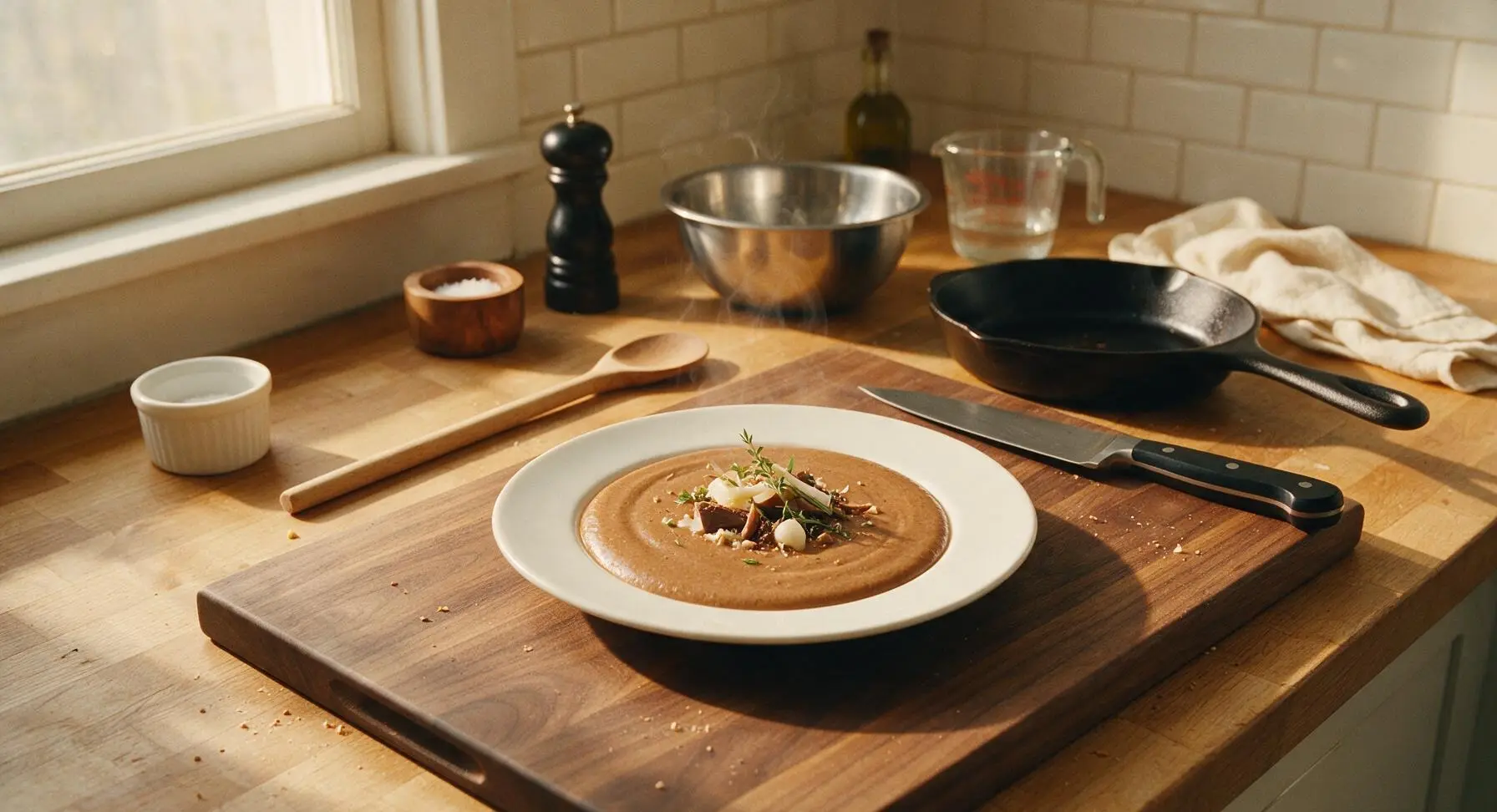
Smooth, toasty traditional Bavarian dark lager with subtle notes of fresh rye bread, milk chocolate, and soft caramel, with a clean crisp finish perfect for casual sipping.
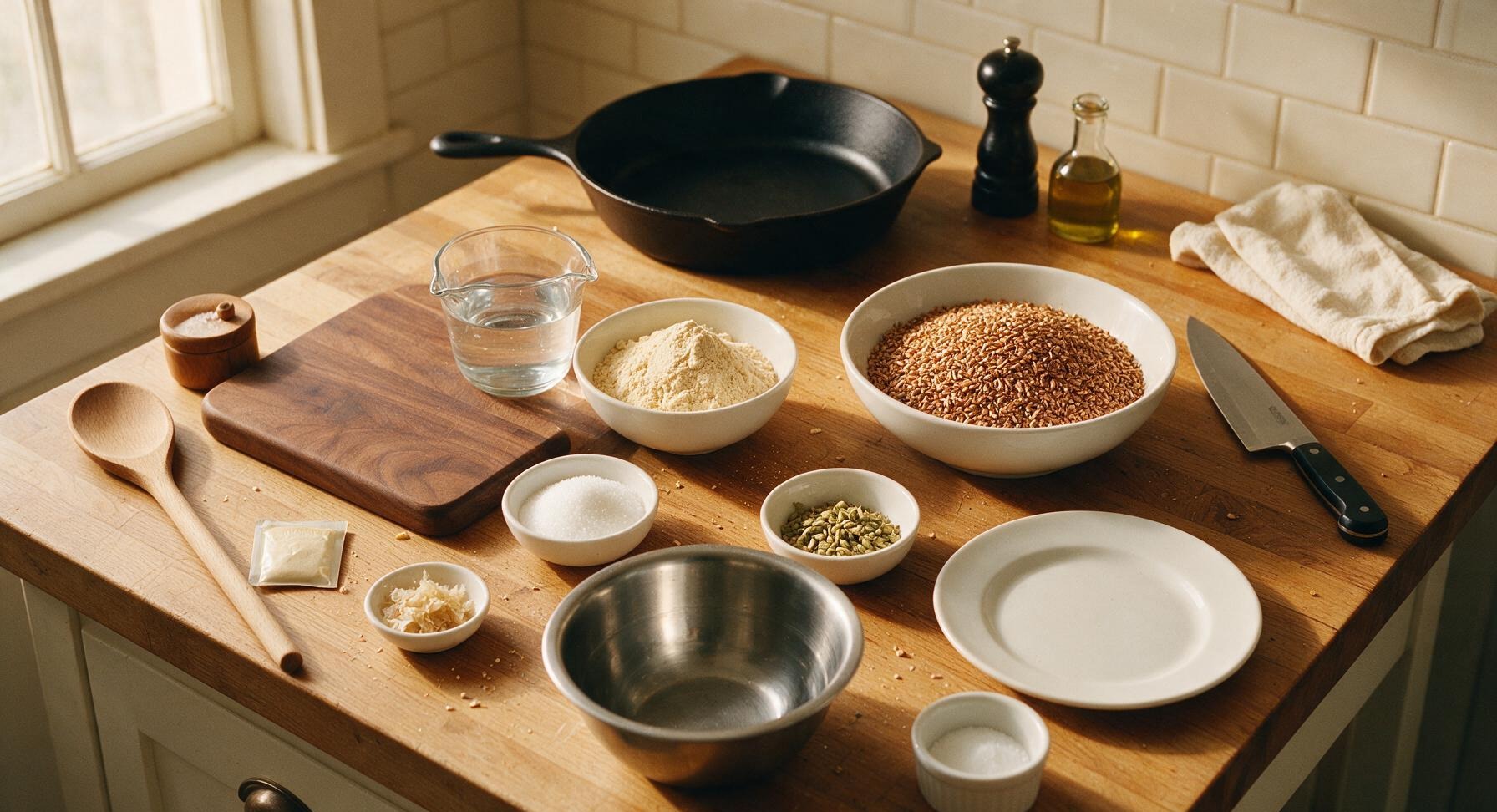
Ingredients
Steps
Sanitize Brewing Equipment
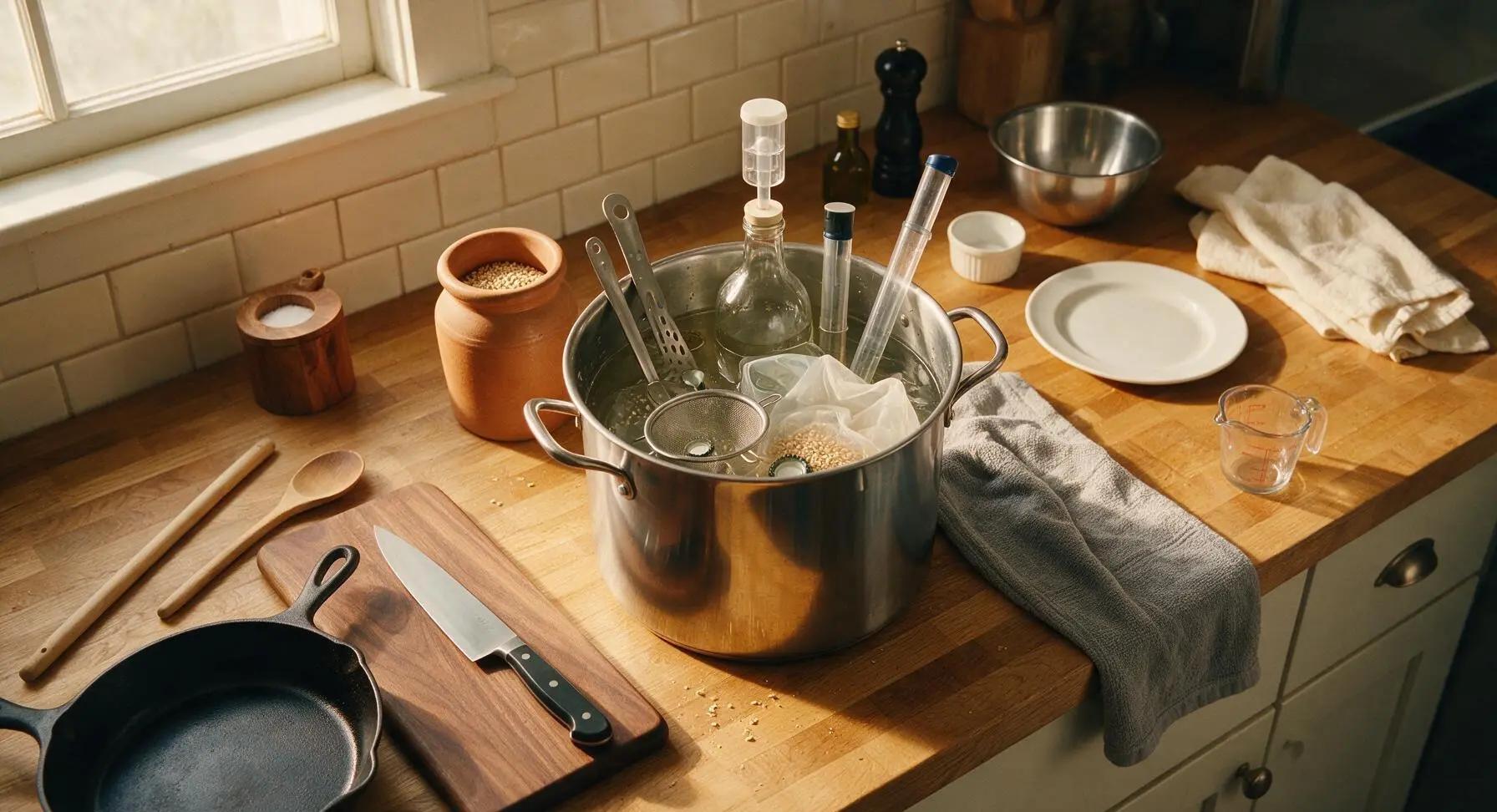
Mix 1 tablespoon of no-rinse brewing sanitizer with 1 gallon of cool filtered water in the polished stainless steel brew pot. Submerge the slotted stirring spoon, digital thermometer, fermentation jug, airlock, auto-siphon, fine-mesh strainer, nylon grain bag, and bottle caps for 2 full minutes. Remove tools and air-dry on the heather gray tea towel; do not wipe with cloths to avoid introducing wild bacteria or yeast that cause off-flavors. Sanitization is the single most important step for clean, great-tasting homebrew.
Steep Specialty Grains
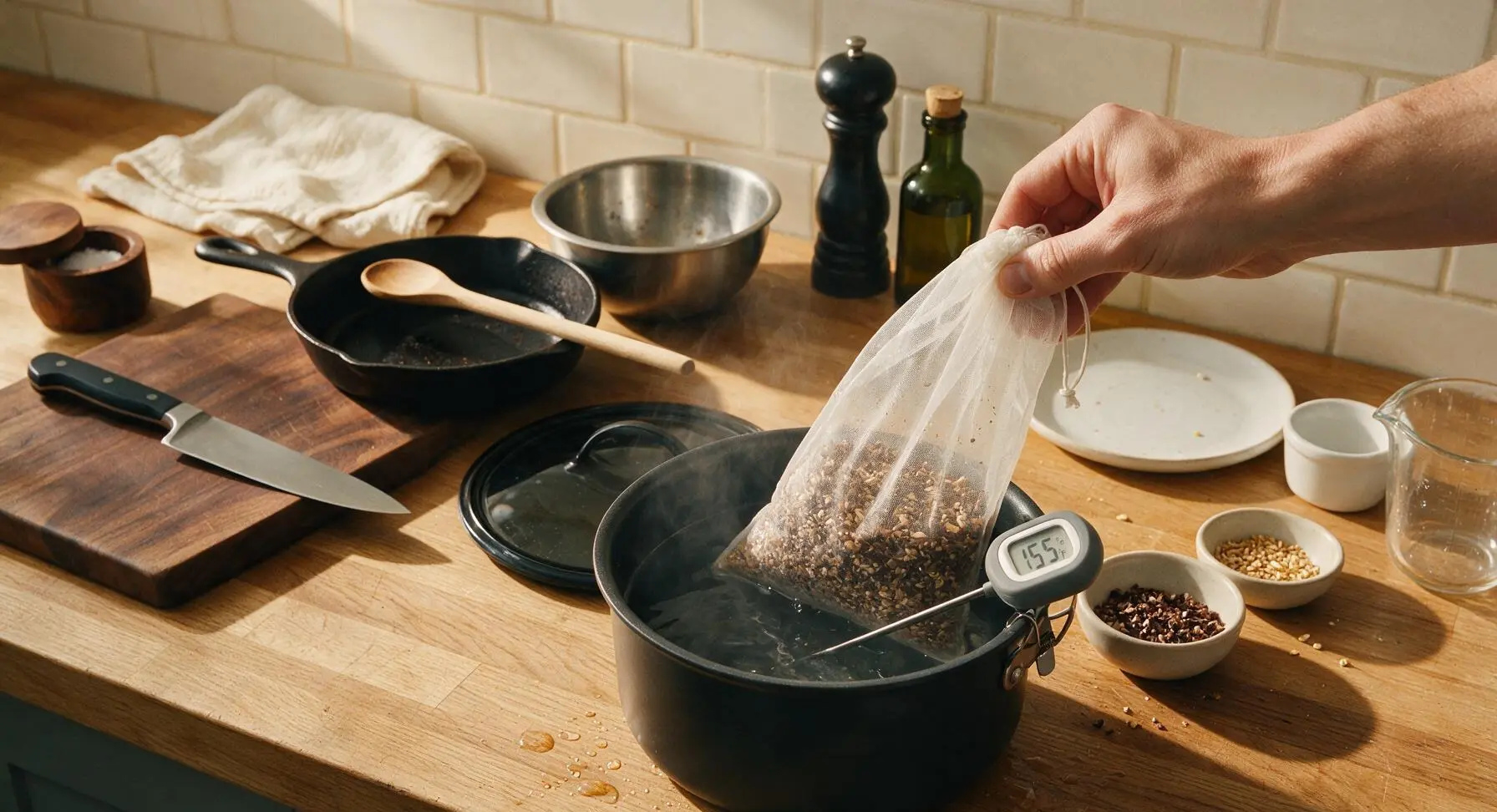
Heat 2 quarts of filtered water in the brew pot to 155°F, monitored with the digital thermometer clipped to the pot edge. Place crushed Munich malt and chocolate malt in the fine-mesh nylon grain bag, submerge fully in the heated water, and hold a steady temperature of 150–155°F for 30 minutes. Do not let water exceed 160°F, as this extracts harsh, astringent tannins from grain husks. The water will darken to a deep amber as malt sugars and toast flavors leach out.
Dissolve Malt Extract
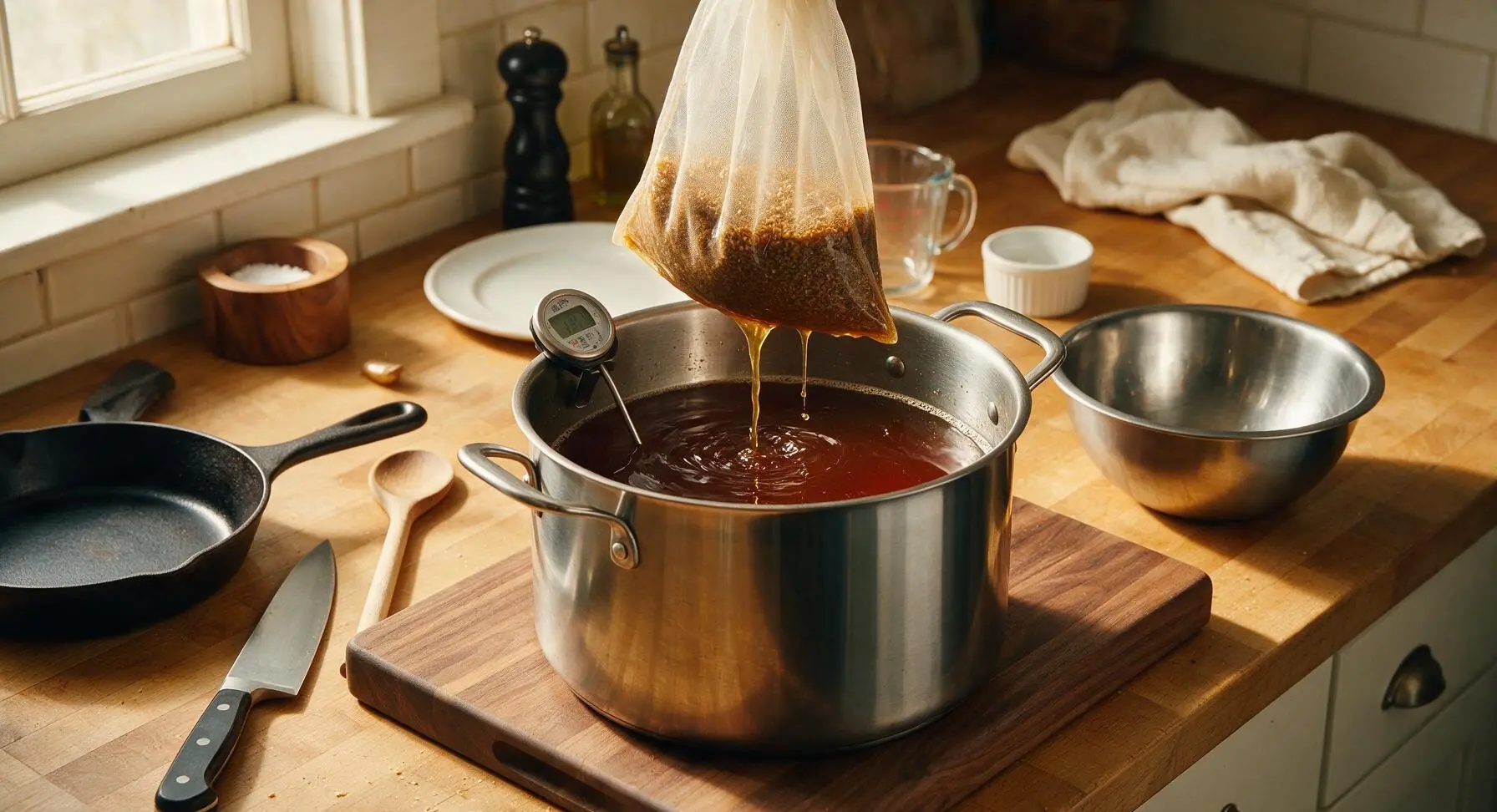
Lift the grain bag out of the pot and let it drain fully over the wort using gravity (do not squeeze the bag). Discard the spent grains. Stir the full amount of light dry malt extract into the warm wort with the slotted stainless steel spoon until no clumps remain, then turn heat to high to bring the wort to a gentle rolling boil. Watch closely as the wort heats to avoid sticky boil-over onto the counter.
Boil With Hops
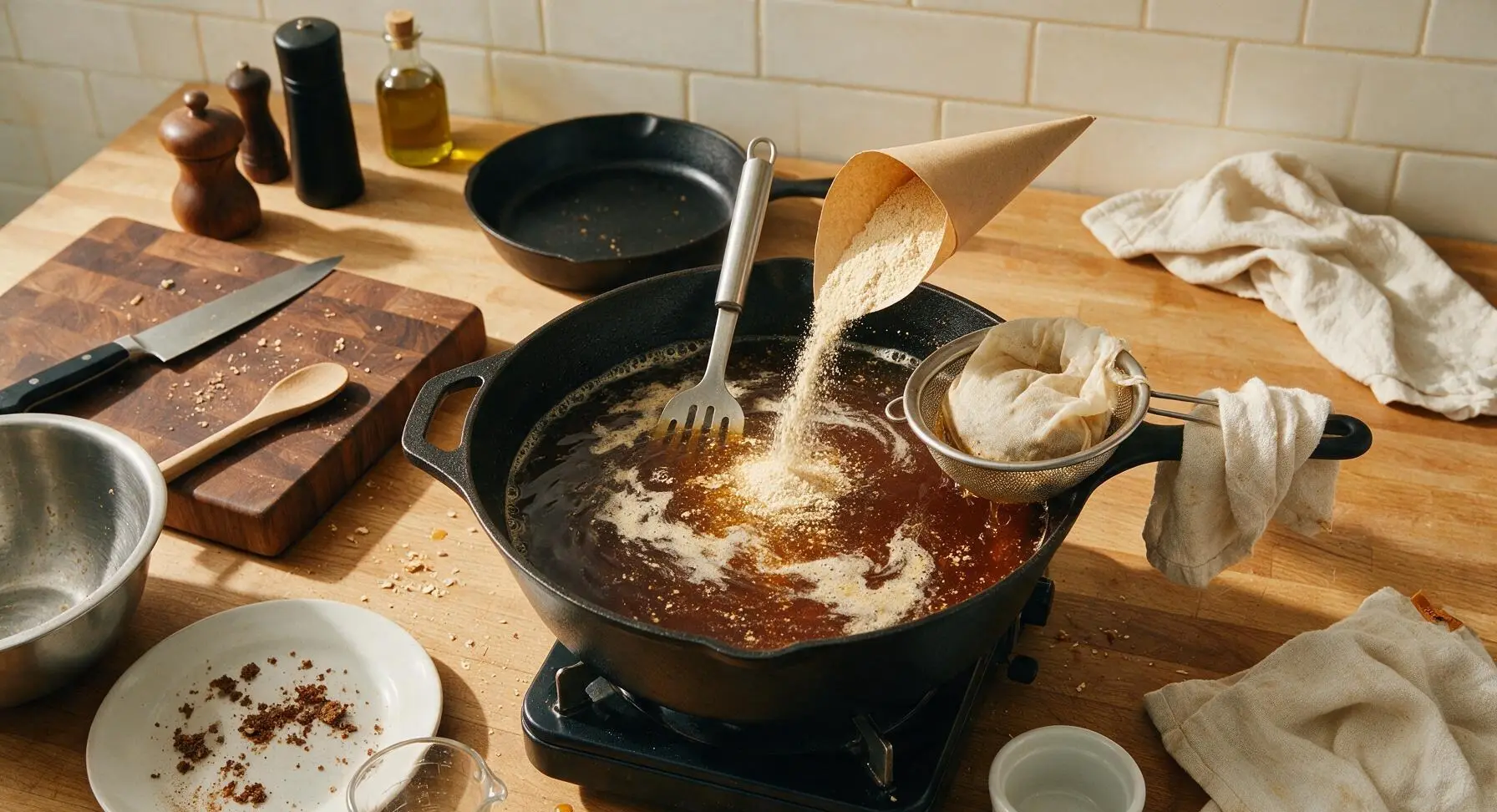
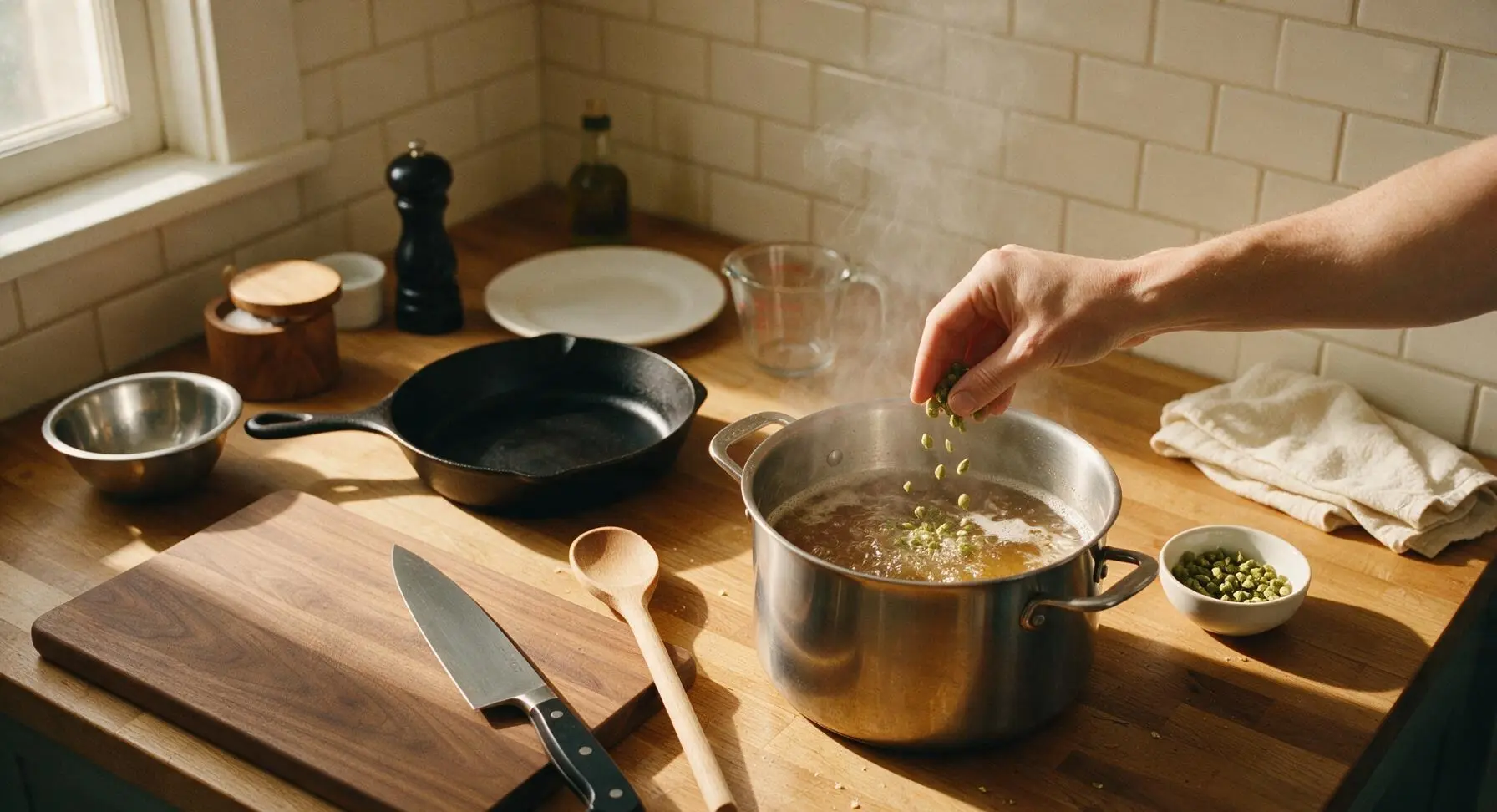
Once the wort reaches a steady, gentle rolling boil, set a timer for 60 minutes. Add 0.3 oz of Hallertau hops at the start of the boil for balanced bitterness, then add the remaining 0.2 oz of Hallertau hops and 1 tsp of Irish moss during the final 15 minutes of the boil for bright floral aroma and crystal-clear finished beer. Maintain a gentle boil, stirring occasionally to prevent scorching on the pot bottom.
Chill Wort Rapidly
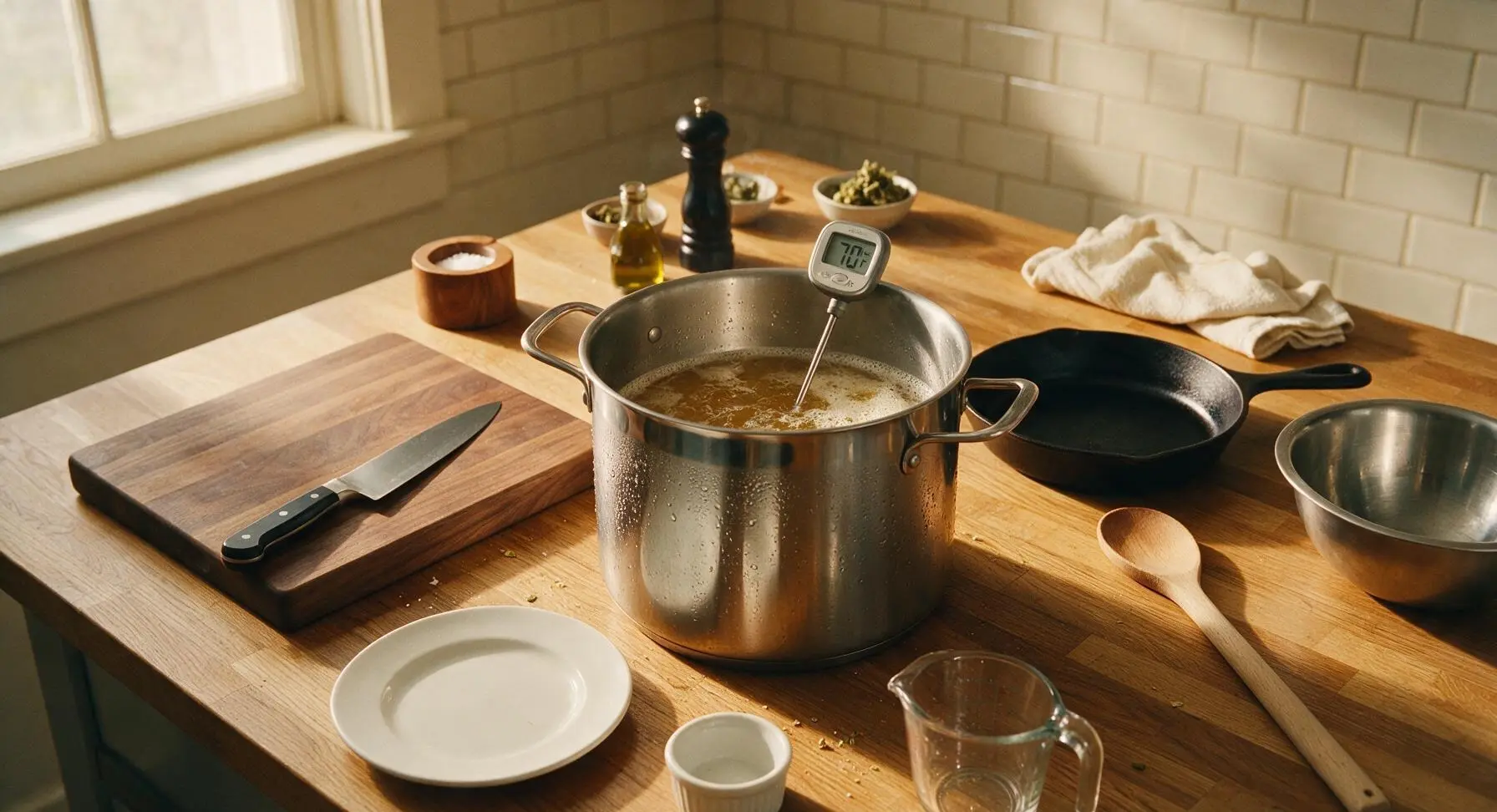
After the 60-minute boil completes, turn off the heat, cover the pot, and place it in an ice water bath (off-frame) to cool the wort to 70°F as quickly as possible, ideally within 30 minutes, to reduce contamination risk. Stir gently every 5 minutes to speed even cooling; never add ice directly to the wort, as it can introduce unwanted bacteria.
Transfer to Fermenter
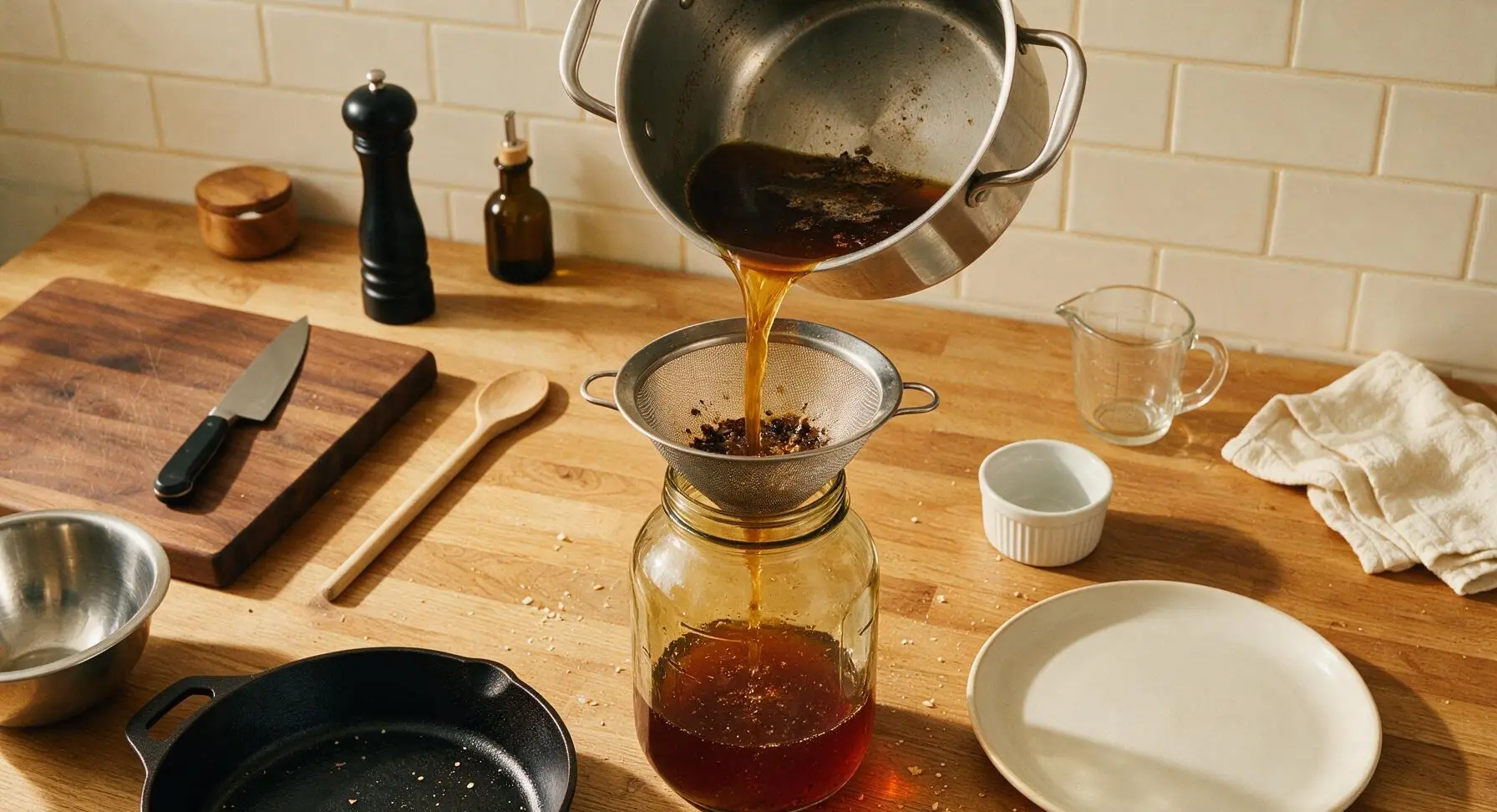
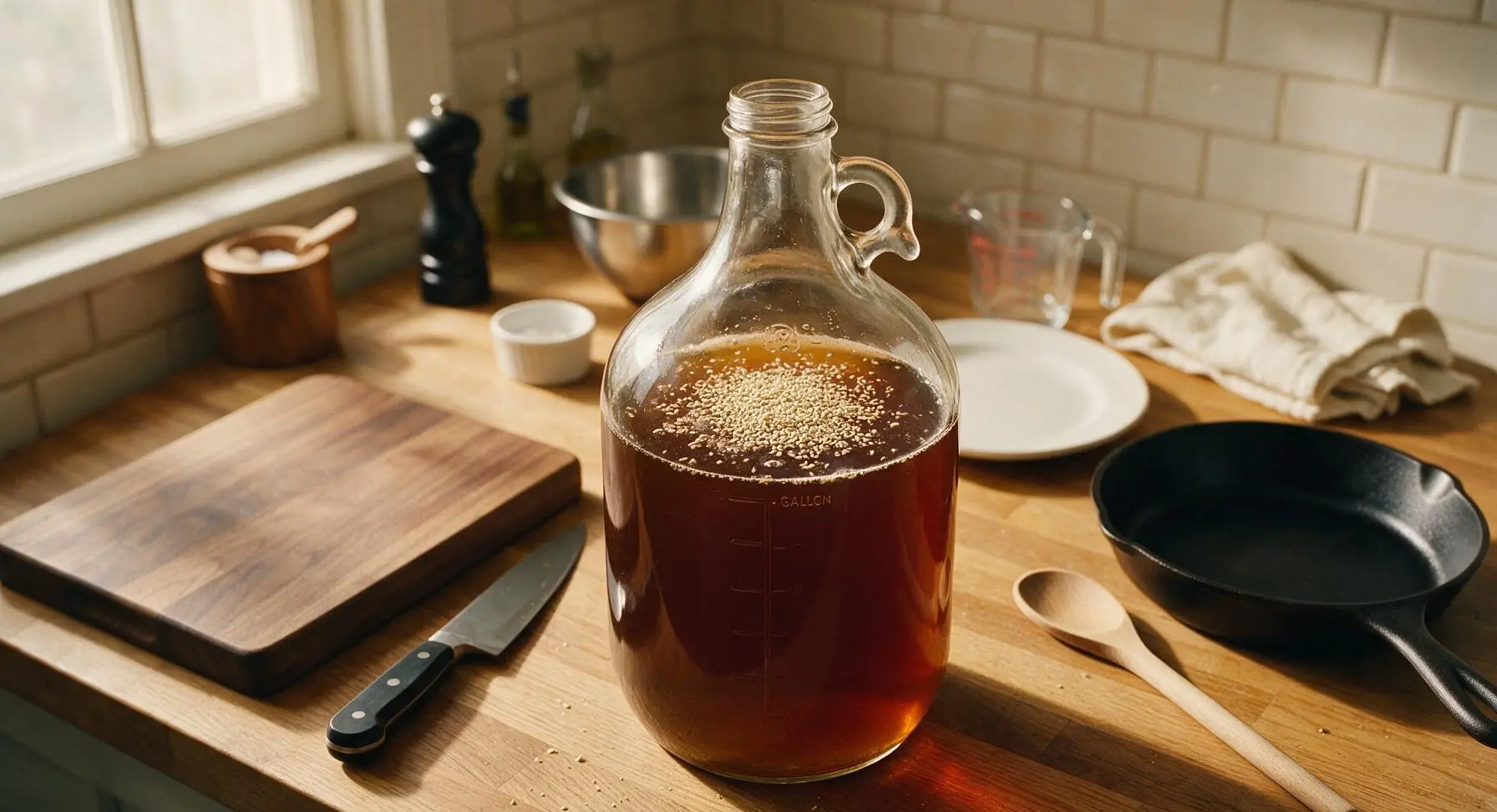
Set the fine-mesh conical strainer over the mouth of the sanitized 1-gallon glass fermentation jug. Carefully pour the cooled wort through the strainer into the jug, leaving the thick, cloudy trub sediment behind in the bottom of the brew pot. Top up the jug with cool filtered water to reach the etched 1-gallon mark, then sprinkle the full packet of Bavarian lager yeast evenly over the wort surface.
Seal For Fermentation
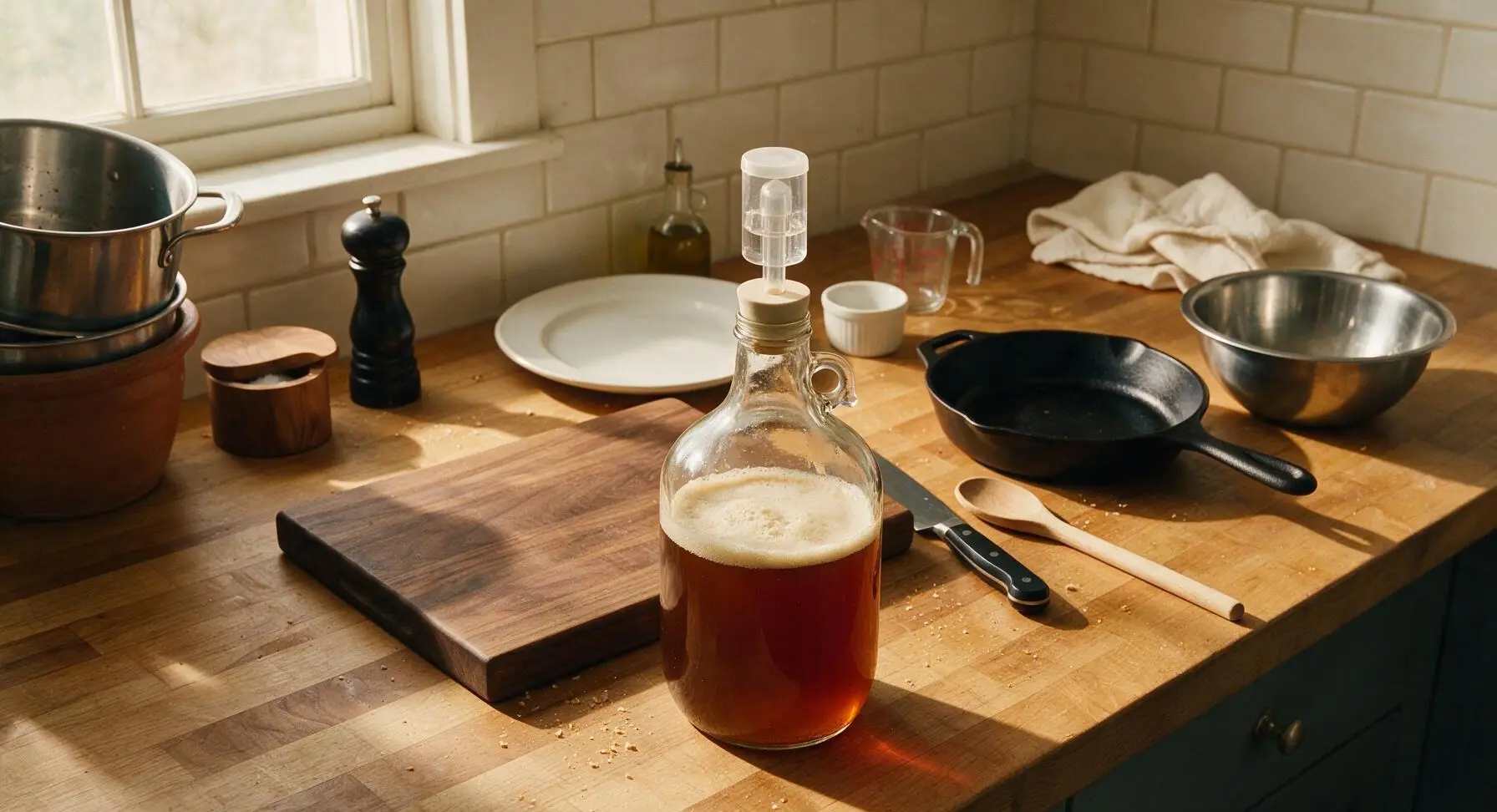
Press the sanitized rubber stopper firmly into the mouth of the fermentation jug, fill the 3-piece airlock halfway with sanitizer solution, and press the airlock into the stopper. Move the jug to a cool, dark spot with a consistent 50–55°F temperature (ideal for Bavarian lager yeast) and let it ferment for 2 weeks, until bubbling in the airlock stops completely and the beer turns clear and deep chestnut brown.
Bottle and Condition
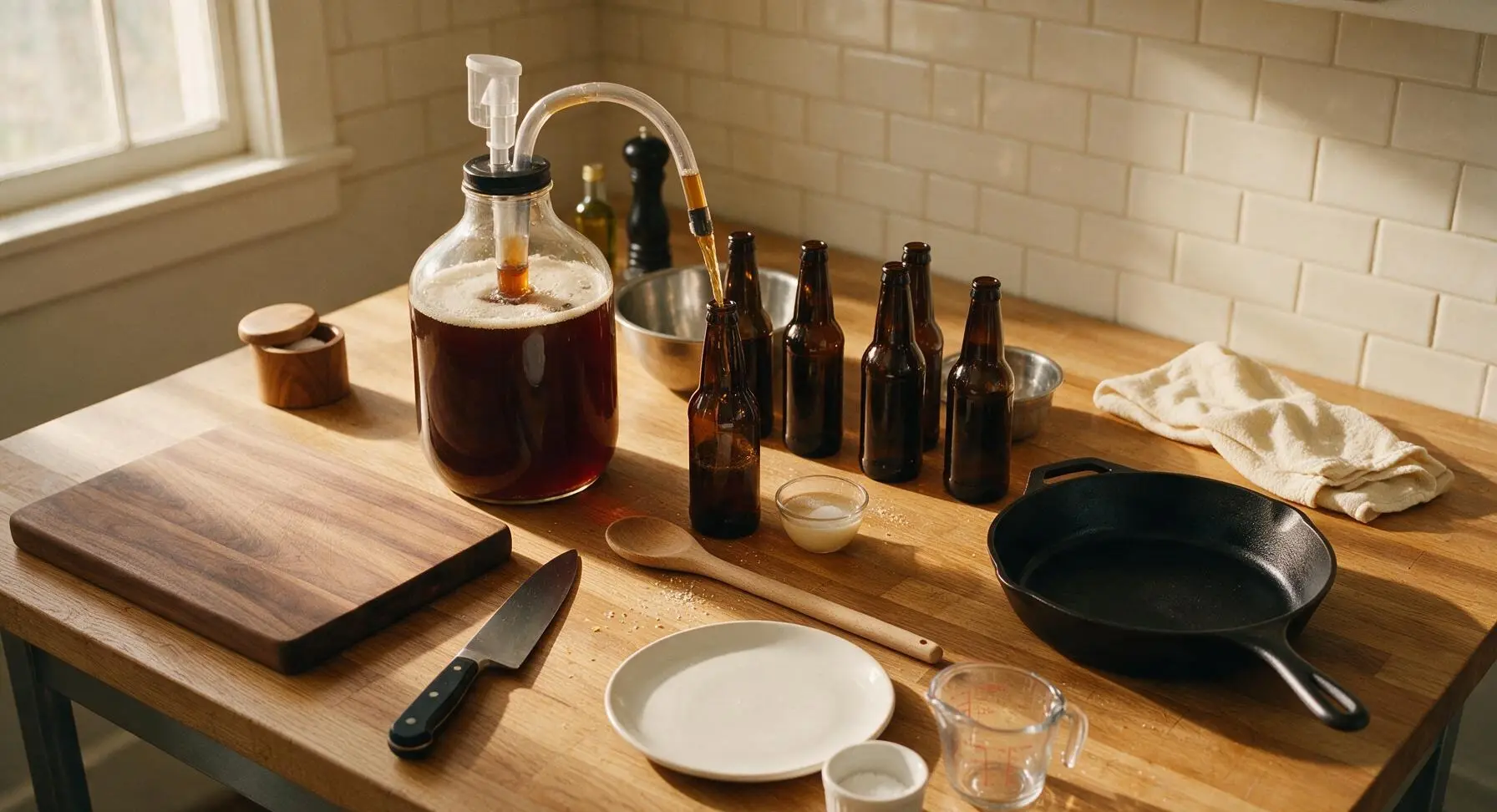
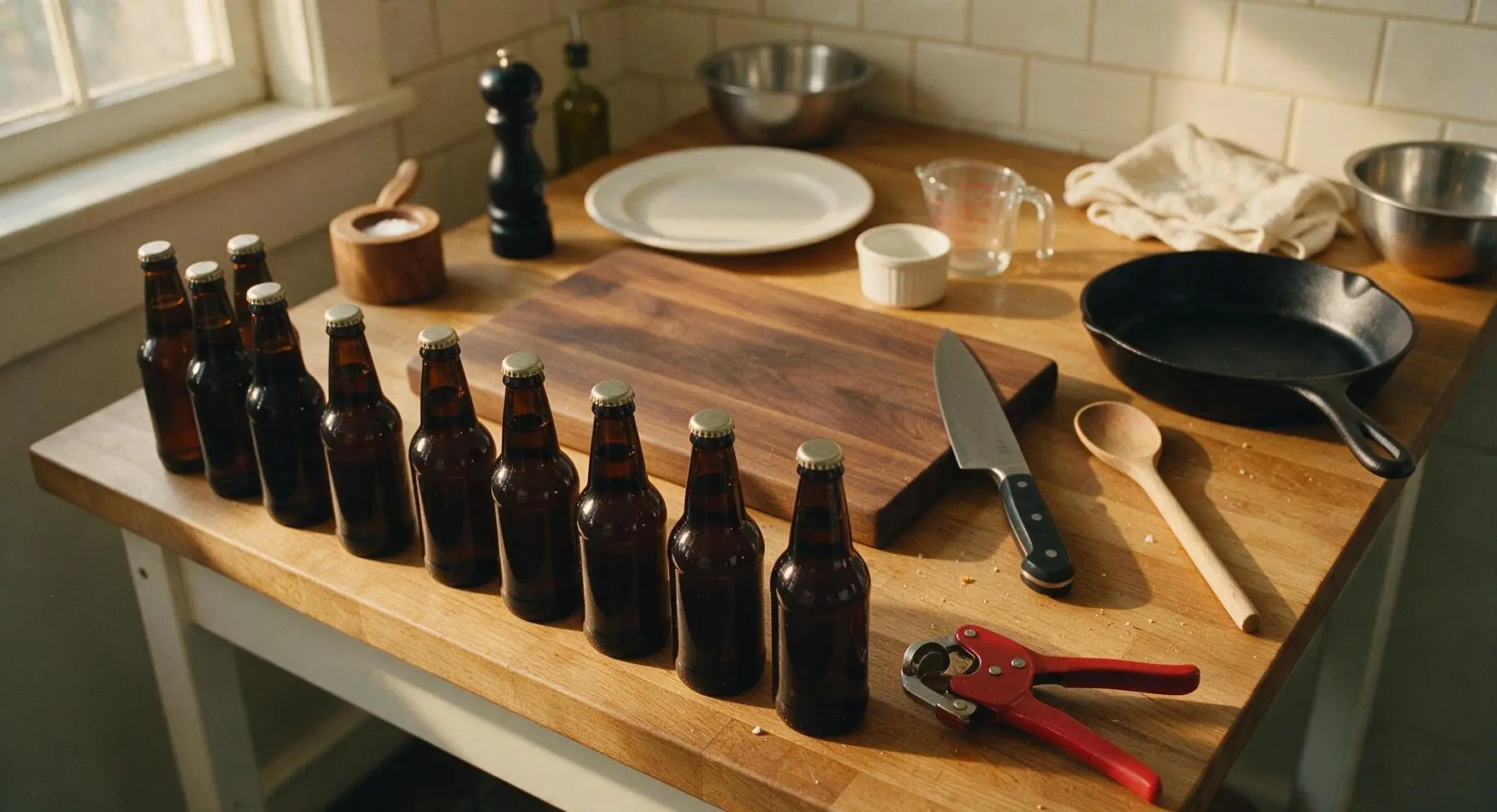
Boil the 5 oz of corn sugar with 1 cup of filtered water to make a priming solution, then mix it gently into the cleared, fermented beer in the sanitized brew pot. Use the auto-siphon to transfer beer into sanitized dark amber 12oz bottles, leaving 1 inch of headspace at the top of each bottle. Cap bottles tightly with the red hand-held capper, then store in the same 50–55°F cool dark spot for 2 weeks to carbonate and mellow before chilling to serve.
Tips
2.Maintain a consistent 50–55°F temperature during fermentation; warmer temperatures will cause the lager yeast to produce fruity, estery off-flavors that clash with Dunkel’s signature clean, malty profile.
3.Let bottles condition for the full 2 weeks before opening; early opening will result in flat, under-carbonated beer with sharp, green yeast notes, while full conditioning creates soft, even carbonation and a mellow, balanced flavor.






OMG this dunkel came out SO good! I brewed it for our annual neighborhood Oktoberfest potluck last weekend and everyone was asking for the recipe. It’s got that perfect malty, slightly toasty flavor with none of the harsh bitter aftertaste you get from store-bought dark lagers. Total game changer for my homebrew setup! My only tiny note is I let it ferment 2 extra days because my basement was a little cooler than the recommended temp, and it turned out even smoother. 10/10 will make again.
I was intimidated because the difficulty is marked medium, but the step-by-step instructions were so easy to follow! I made this for our family Sunday dinner last week to go with bratwurst and sauerkraut, and even my teen kids who usually only drink seltzers snuck sips and said it tasted “like fancy restaurant beer”. Will absolutely be adding this to my regular homebrew rotation.
Taste was great, but I ran into a small hiccup during the mash step — my temperature spiked to 160 for about 10 minutes before I got it cooled back down to the 152 range. The final beer is a little thinner than I expected, did that temp swing cause that? Still drinkable, just not as rich as I remember dunkel being when I had it in Munich last year.
Just bottled my first batch of this last night! The sample I pulled during transfer was chef’s kiss — that hint of chocolate and bread crust is exactly what I was looking for in a dunkel. I’m bringing a six pack to my friend’s football tailgate next weekend, I already know it’s gonna be a crowd pleaser. Pro tip for new brewers: don’t skip the 20 minute rest at 170 before sparging, it makes such a difference in clarity!
I’m usually an IPA person, but I wanted to branch out and try making something a little more malty, and this recipe did not disappoint! The cook time was exactly what was listed (1 hour 30 minutes for the boil, plus prep and cleanup, super manageable even on a weeknight if you plan ahead). It’s smooth enough to drink a few of these without feeling weighed down, perfect for weeknight bonfires in the backyard.
Game. Changer. I’ve tried 3 other dunkel recipes over the last year and none of them hit that authentic Bavarian note like this one does. I served it at our annual Oktoberfest party last Saturday and even my cousin who lived in Munich for 5 years said it tasted exactly like the beer he drank at the local beer gardens there. 10/10, no notes, this is my permanent go-to dunkel recipe from now on.