Gose

Gose
⏱️ cook time 21 days total (1 hour active brewing time)
🍽️ servings 4
⚡ Difficulty medium

intro

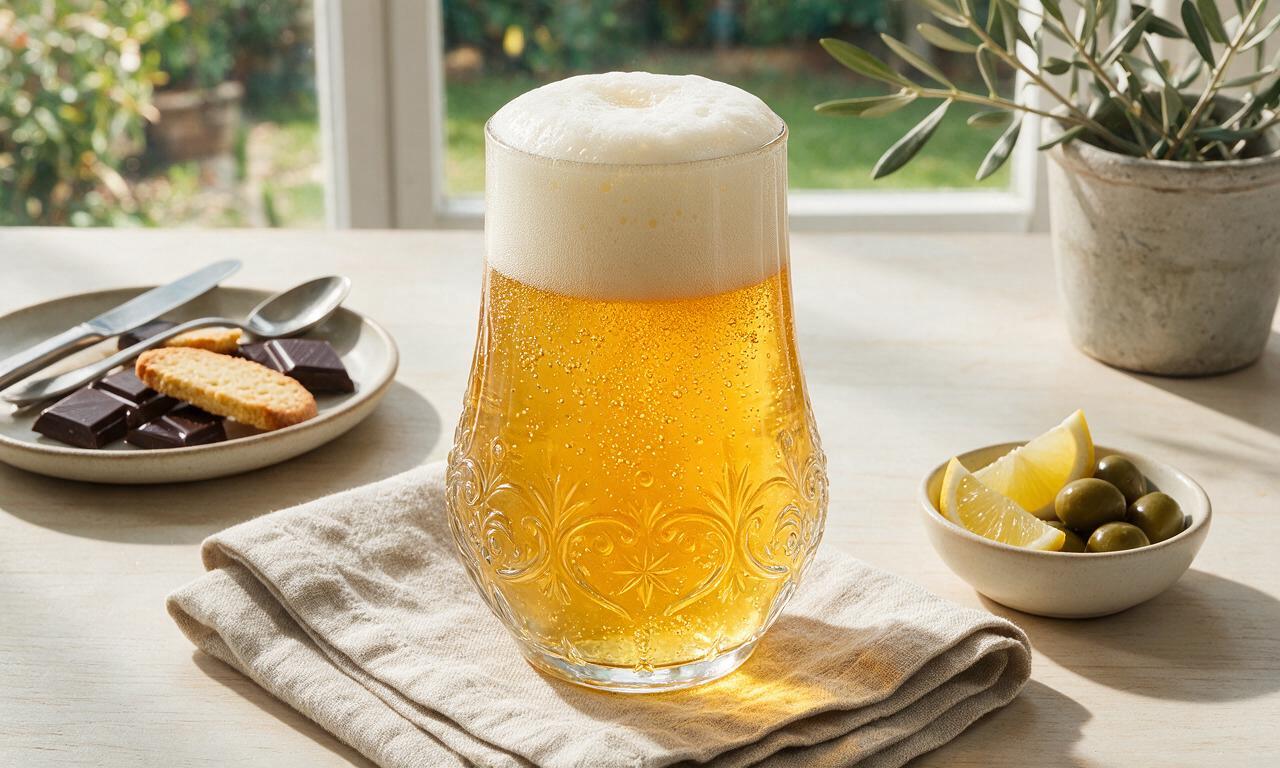
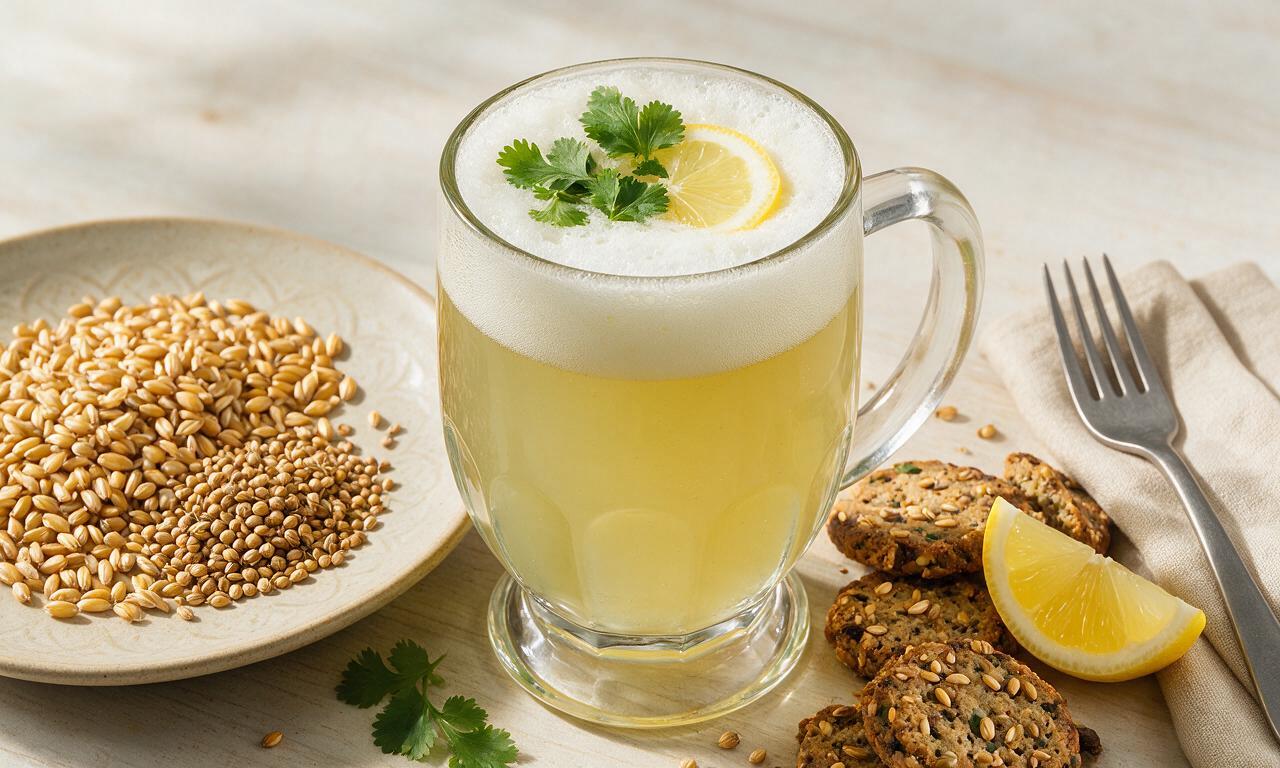
Bright, tart, subtly salty traditional Saxon sour wheat beer, brewed with coriander for a crisp, ultra-refreshing warm-weather drink.

Ingredients

Crushed pilsner malt 170 grams (6 oz)
Crushed malted wheat 170 grams (6 oz)
Filtered brewing water 2.5 liters (10.5 cups)
Hallertau whole-leaf hops 3 grams (0.1 oz)
Lightly crushed coriander seed 1.5 grams (1/2 tsp)
Fine non-iodized sea salt 0.75 grams (1/8 tsp)
Food-grade 88% lactic acid 3 milliliters (0.6 tsp)
Dried German ale yeast 3 grams (1 small sachet)
Dextrose (priming sugar) 4 grams (1 tsp total, 1g per bottle)

Steps

1

Sanitize brewing equipment

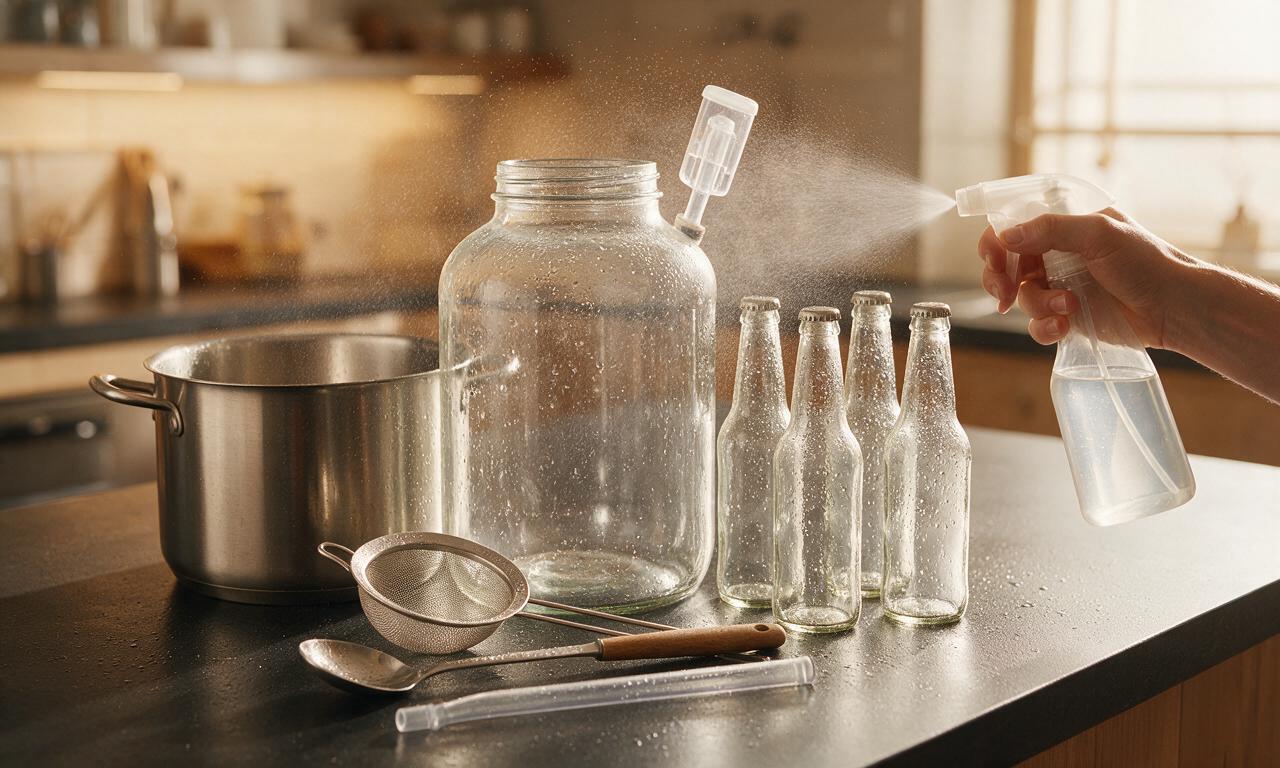
First, wash all brewing tools (4L stainless steel stockpot, 2L glass fermentation jug, airlock, long-handled stirring spoon, fine-mesh strainer, siphon, 4 x 16oz sealable glass bottles) with hot soapy water, then soak all surfaces that will touch cooled beer in no-rinse food-grade brewing sanitizer for 1 full minute per manufacturer instructions. Poor sanitization is the top cause of spoiled homebrew, so do not skip this step; work on a clean, uncluttered kitchen countertop.
Step 1
step1:Sanitize brewing equipment
2

Mash the grain bill

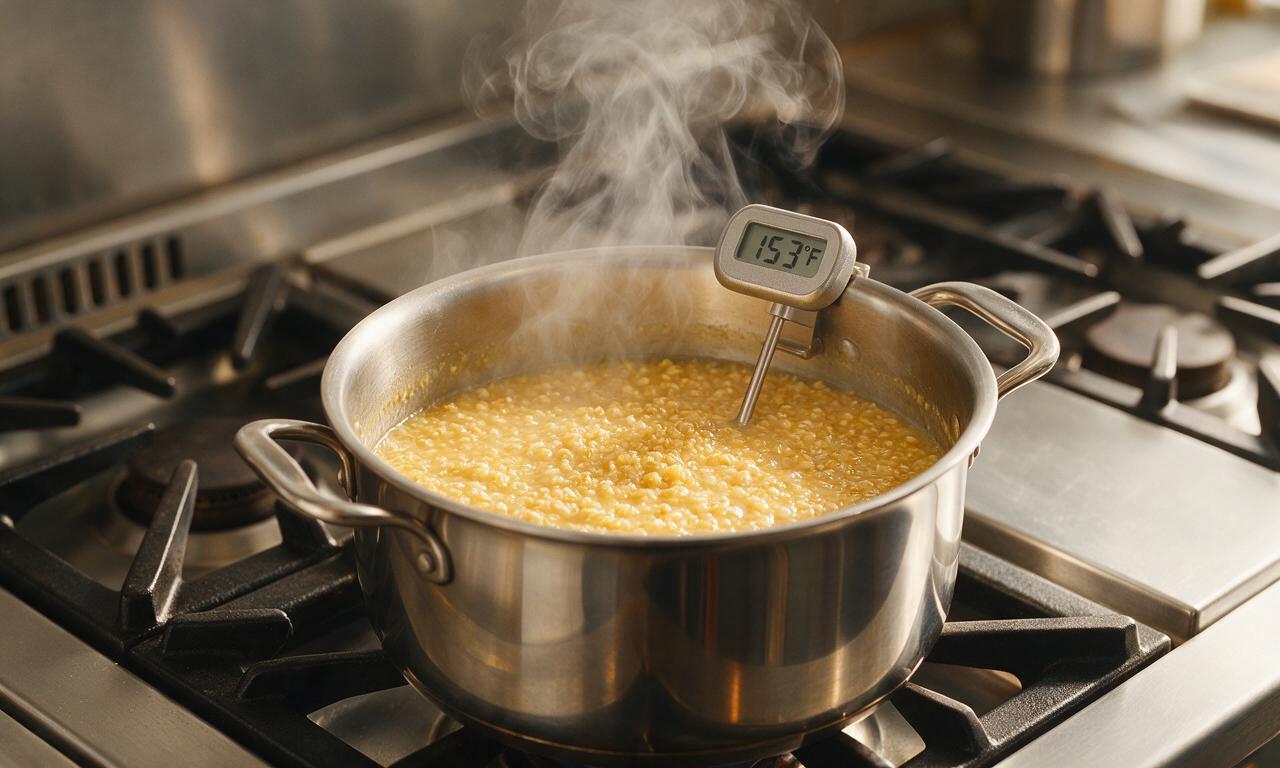
Heat 1.7L (7 cups) of filtered water in the sanitized stockpot to 67°C (153°F) over medium heat, then add all crushed pilsner malt and crushed malted wheat, stirring thoroughly to eliminate any dry grain clumps. Hold the temperature steady at 65-68°C (149-154°F) over the lowest heat setting for 60 minutes, keeping the pot covered and checking temperature with a digital thermometer every 10 minutes to avoid overheating. The mixture will smell like sweet, bready porridge as grain starches convert to fermentable sugar.
Step 2
step2:Mash the grain bill
3

Strain and boil wort

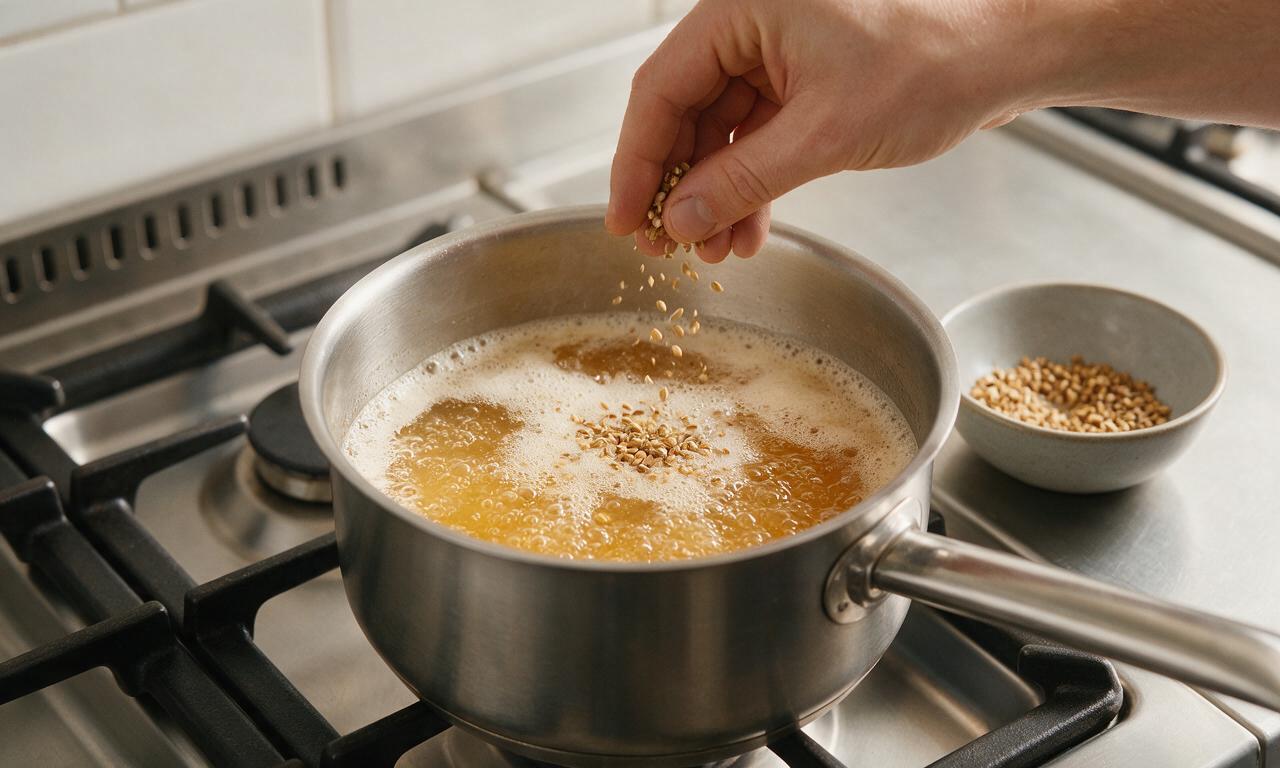
After the 60-minute mash, pour the grain mixture through a sanitized fine-mesh strainer into a second clean pot, gently rinsing (sparging) the leftover grain solids with 800ml (3.3 cups) of 77°C (170°F) filtered water to extract remaining sugars. Bring the strained sweet golden liquid (called wort) to a gentle rolling boil over medium-high heat, then add the measured Hallertau hops. Maintain this steady boil for 60 minutes, adjusting heat as needed to prevent sticky boilovers; add the crushed coriander seed and sea salt to the boiling wort during the final 5 minutes of cooking.
Step 3
step3:Strain and boil wort
4

Cool and acidify wort

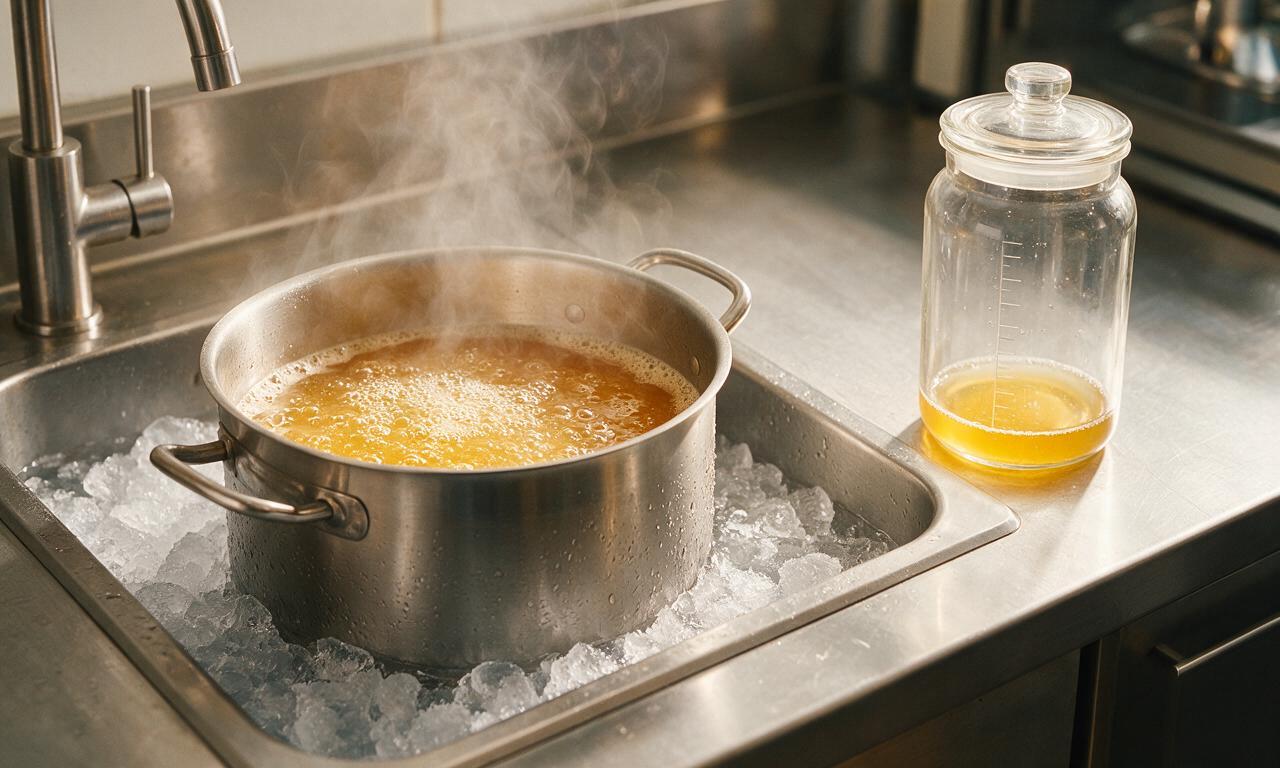
Once the 60-minute boil finishes, turn off the heat and move the pot to a clean kitchen sink filled with ice water and ice cubes to create an ice bath. Chill the wort until it reaches 21°C (70°F), which takes approximately 20 minutes, stirring gently every 5 minutes to speed cooling. Once cooled, stir in the measured food-grade lactic acid, tasting with a clean spoon to confirm a bright, tart flavor similar to mild lemonade, not aggressively sour. Strain the cooled wort into your sanitized fermentation jug, leaving any thick hop/grain sediment (called trub) behind in the pot.
Step 4
step4:Cool and acidify wort
5

Pitch yeast and ferment

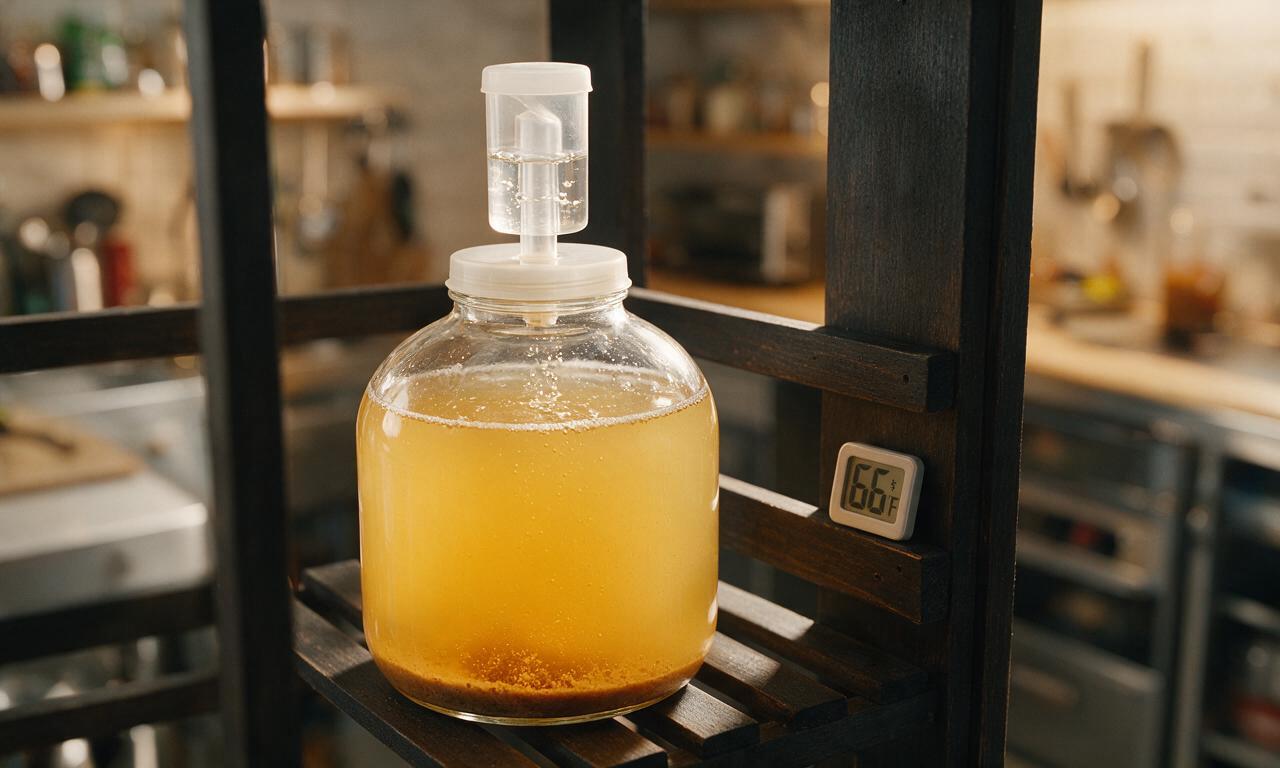
Sprinkle the full sachet of dried German ale yeast directly onto the surface of the cooled wort in the fermentation jug, then seal the jug with a sanitized rubber stopper and airlock filled halfway with sanitizer solution. Store the sealed jug in a dark, temperature-stable spot held at a consistent 18-20°C (65-68°F) for 14 full days. You will see small bubbles rising through the airlock within 24-48 hours as active fermentation begins, and bubbling will slow to a near stop once primary fermentation is complete.
Step 5
step5:Pitch yeast and ferment
6

Bottle and condition

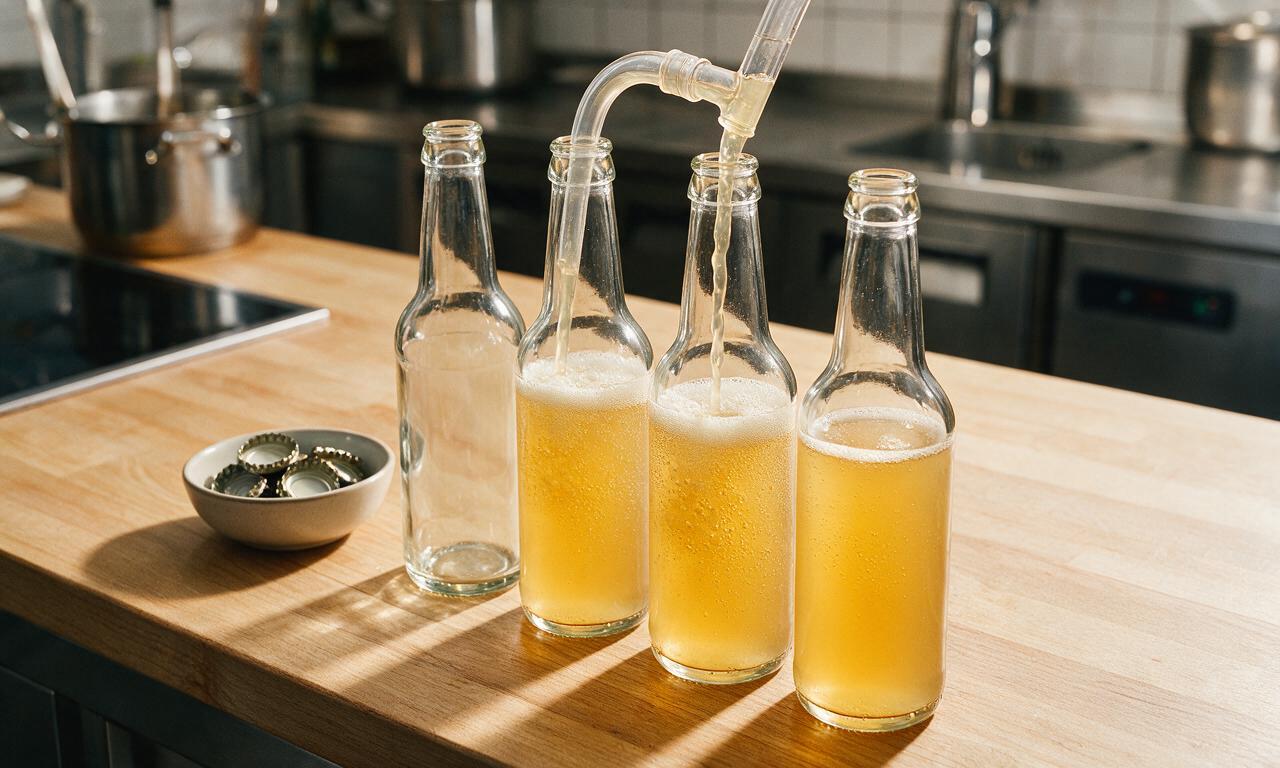
After 14 days of primary fermentation, siphon the clear, lightly hazy Gose into 4 sanitized 16oz (473ml) sealable glass bottles, adding 1g (1/4 tsp) of dextrose to each bottle to feed residual yeast and create natural carbonation. Seal bottles tightly with sanitized metal bottle caps, then return them to the same dark, 18-20°C (65-68°F) storage spot for 7 additional days to build carbonation and mellow tart flavors. Before serving, chill bottles in the refrigerator for 24 hours to reach 4°C (40°F) for optimal refreshment.
Step 6
step6:Bottle and condition

Tips

1.Do not over-add salt: Traditional Gose only has a subtle saline edge, not a noticeably salty taste; the small amount of salt simply amplifies the bright tartness and coriander flavor rather than making the beer taste briny.
2.Never pitch yeast into wort warmer than 24°C (75°F), as high temperatures will kill the active yeast cells, preventing fermentation and leading to flat, spoiled beer.
3.When opening fully conditioned, chilled bottles, do so over a kitchen sink in case of slight over-carbonation, and pour slowly to leave the thin layer of yeast sediment at the bottom of the bottle for a clearer, smoother pour.
✨ You May Also Like

Drinks & Beverages
🍜 Mexico

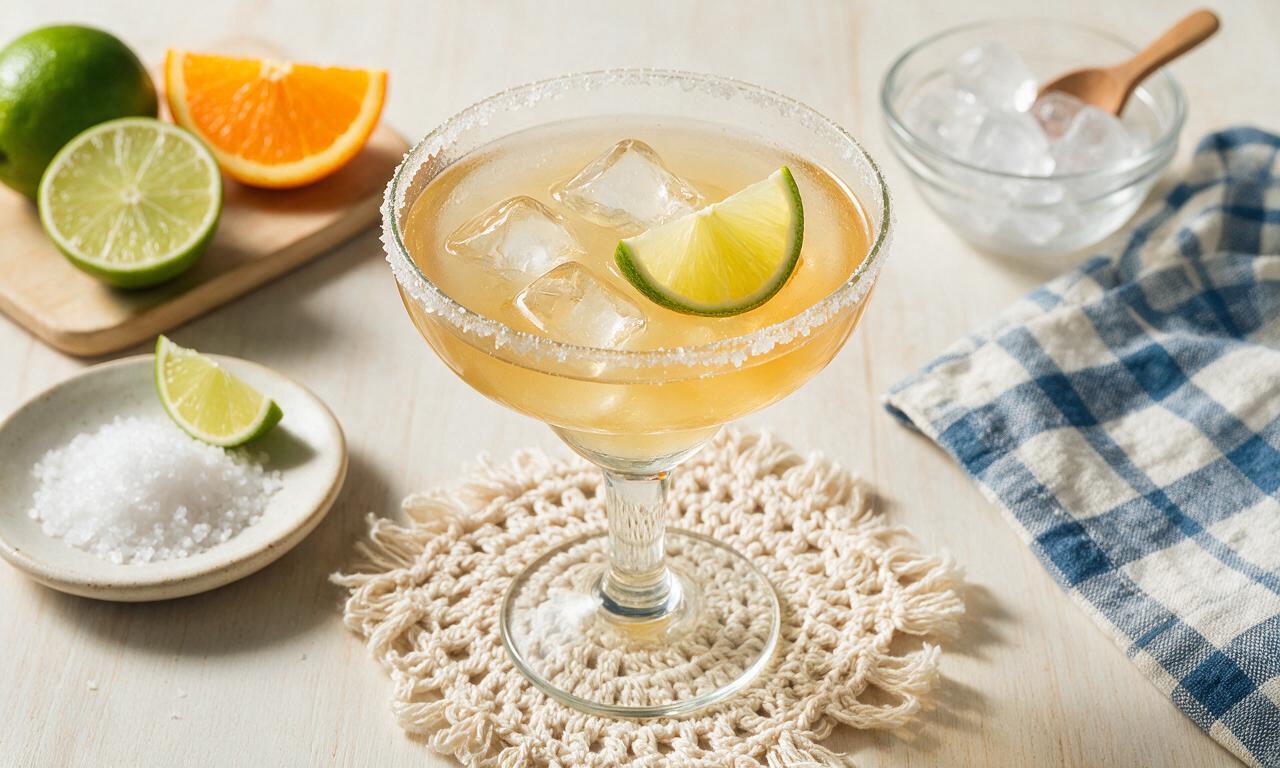
A bright, balanced tequila-based cocktail with zesty fresh lime, smooth orange liqueur, and a signature salt rim, perfect for warm summer sipping.

⏱️ 5 minutesDrinks & Beverages ★ 4.7
Drinks & Beverages
🍜 United States

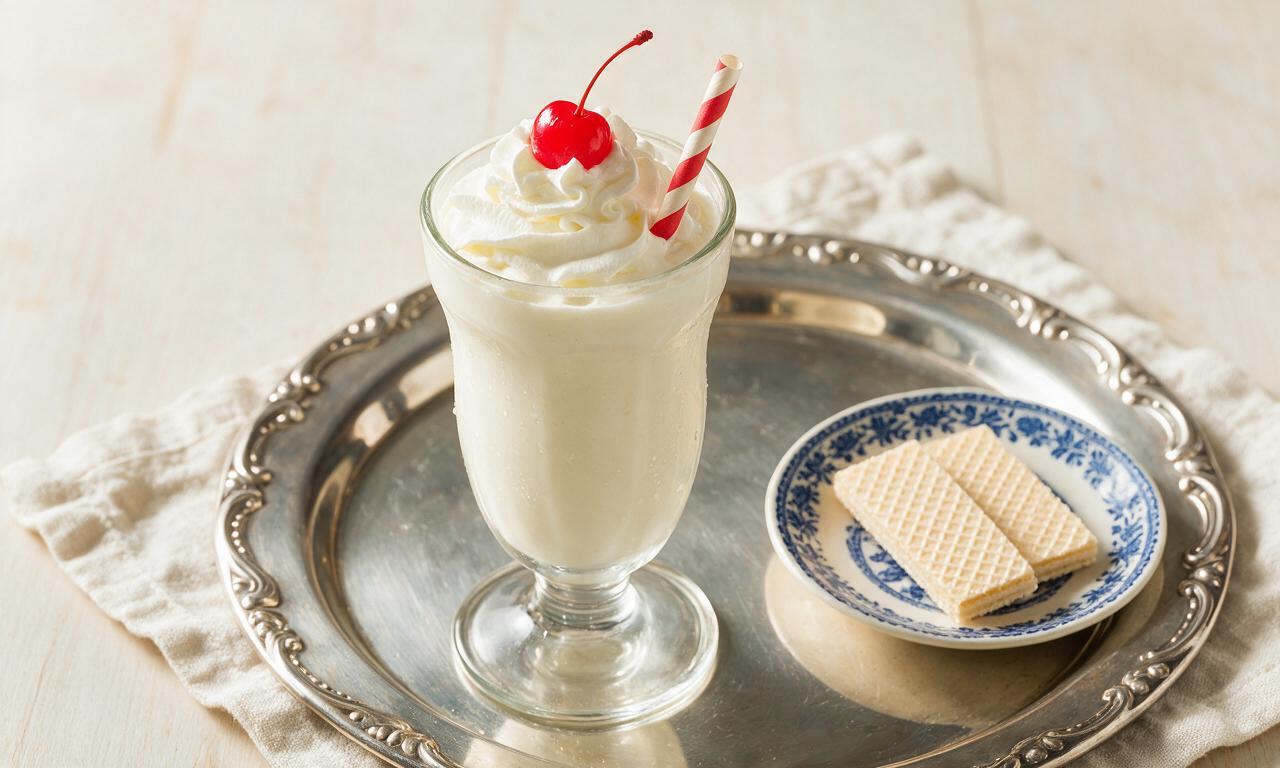
Thick, creamy, nostalgic classic vanilla milkshake with a rich, smooth texture, topped with whipped cream and a cherry for cool, sweet refreshment.

⏱️ 5 minutesDrinks & Beverages ★ 4.6
Drinks & Beverages
🍜 United States

A bright, golden strong ale with fruity banana-clove notes, subtle hop spice, and soft carbonation, brewed in classic Trappist Tripel tradition.

⏱️ 2 hours aDrinks & Beverages ★ 4.7
Drinks & Beverages
🍜 United States

A frothy, nostalgic American soda fountain treat pairing bubbly cold root beer with creamy vanilla ice cream, perfect for cooling down at warm weather gatherings.

⏱️ 20 minuteDrinks & Beverages ★ 4.9
Drinks & Beverages
🍜 United States

Tart, funky, effervescent American Wild Ale is a complex fruity craft beer brewed with wild yeast, delivering bright, zesty notes perfect for warm-weather sipping.

⏱️ 2 hours aDrinks & Beverages ★ 4.5
Drinks & Beverages
🍜 United States

Bright, bubbly copycat of the iconic American caramel cola, balanced with citrus and warm spice, perfect for sipping ice-cold on hot days.

⏱️ 15 minuteDrinks & Beverages ★ 4.8

Gose:Frequently Asked Questions

1.What sets traditional Leipzig-style gose apart from other sour wheat beers?
Unlike sharper, heavily soured lambics or tarter Berliner weisses, Leipzig gose has soft, bright tartness, a distinct subtle salty edge, and warm coriander notes paired with very low hop bitterness. It’s also highly carbonated for that crisp, quenching mouthfeel that made it a beloved Saxon summer staple for centuries.
2.How do I get that signature subtle salty note if salt isn’t listed as a core ingredient?
That faint, balanced savoriness traditionally comes from the slightly mineral-hard local Leipzig brewing water, not added table salt. If your filtered water is very soft, add 0.5 to 1 gram of non-iodized fine sea salt per gallon of wort right before fermentation to hit that classic profile without making the beer taste overtly salty.
3.What ratio of wheat malt to pilsner malt gives the most authentic texture?
Aim for a 50/50 split of crushed pilsner malt and crushed malted wheat for that classic soft, bready, slightly hazy body. Lean any higher on wheat and you’ll risk a stuck mash; go lower and you’ll lose that signature fluffy, smooth mouthfeel that defines the style. Avoid overcrushing wheat to prevent mash flow issues.
4.Why does the recipe call for whole-leaf Hallertau hops instead of hop pellets?
Whole-leaf Hallertau hops deliver the soft, delicate, slightly floral noble hop character this style requires, without the grassy, harsh edge you can get from overprocessed pellets. You only need a small late addition here—this isn’t a bitter beer, so hops just add a faint, balancing earthy backdrop, not bold flavor.
5.How finely should I crush the coriander seed for the best possible flavor?
Crack coriander seeds just enough to release their aromatic oils, never grind them into a fine powder. A quick pass with a mortar and pestle, or a few low-speed pulses in a spice grinder, works perfectly. Over-crushing releases bitter, soapy compounds that throw off the beer’s bright, crisp balance, so err on the side of coarser cracks.
6.How tart should a traditional Leipzig gose taste, and how do I hit that level consistently?
It should have a bright, zingy tartness similar to fresh, lightly sweetened lemonade, not a mouth-puckering sour that makes your eyes water. Add a clean, neutral lactobacillus culture 24 hours before pitching ale yeast, and hold wort at 95°F until it hits 3.3 to 3.5 pH for that perfect, approachable tartness.
7.Can I use regular tap water instead of filtered brewing water for this recipe?
Stick to filtered water if possible, because tap water often contains chlorine or chloramine that reacts with wheat and coriander to create plastic-like, medicinal off-flavors that ruin the beer’s crisp profile. If tap is your only option, treat it with a campden tablet first to remove disinfectants before mashing in.
8.When should I add the crushed coriander to get the most balanced flavor?
Add your lightly crushed coriander during the last 5 minutes of the boil, not earlier. Adding it too early cooks off the bright, citrusy, piney aromatic oils you want, and pulls bitter, astringent notes from the seed hulls. Use roughly 0.25 ounces per 5-gallon batch to avoid an overpowering spiced, holiday-beer taste.
9.Why is this style of gose considered such an ideal warm-weather drink?
Its perfect balance of bright tartness, faint salt, soft wheat body, approachable 4.5 to 5% ABV, and zingy coriander makes it incredibly quenching on hot days, unlike heavier, hoppier, or boozier craft beers that feel cloying in high heat. Its high carbonation also cuts through grilled summer foods, salads, and seafood beautifully.
10.How carbonated should traditional Leipzig-style gose be compared to other beers?
It’s far more carbonated than most average ales—aim for 2.8 to 3.2 volumes of CO2, which is closer to sparkling wine than a standard pint of lager. That tight, bubbly carbonation lifts the tart and coriander notes, amplifies the refreshing finish, and creates the signature fluffy white head the style is known for.
11.Will using 50% wheat malt lead to a stuck mash for beginner homebrewers?
Stuck mash is a small risk if you overcrush your wheat malt, but it’s totally avoidable. Add a handful of rice hulls to your mash tun to create better flow through the grain bed, and don’t rush your sparge. Since you’re not using high-protein raw wheat, even new brewers can pull off a smooth, problem-free mash with basic prep.
12.How long should I let this gose condition before drinking it for the best flavor?
Let it condition in the bottle or keg for at least 2 weeks at cool cellar temperature (around 50°F) after carbonation to let the tartness, coriander, salt, and soft malt flavors meld together. It’s ready after that, and will hold its bright, crisp profile for up to 3 months—don’t age it longer, or coriander notes will fade.
13.What are the most common off-flavors to watch out for when brewing this gose at home?
The most common missteps are soapy, bitter coriander from over-crushed or over-boiled seeds, harsh sourness from unregulated lactobacillus fermentation, flat, dull texture from under-priming, and plastic-like off-notes from unfiltered chlorinated tap water. Stick to the recipe timings and measurements, and you’ll easily avoid all these issues.

Comments (7)

2 days ago

OMG, this gose turned out so much better than the kit I bought last summer! I brought a growler to my neighborhood potluck last weekend and every single person asked for the recipe. The coriander and salt balance is *chef’s kiss* — not too sour, perfectly crisp for 90 degree Texas afternoons. Already planning to brew a double batch for our Labor Day cookout!

1 week ago

First time brewing a sour style and this recipe was super approachable for medium difficulty! Only thing is, mine came out a little tarter than I expected after the full 21 days — did I maybe pitch the bacteria too warm? Still drinkable, my roommates have been crushing it at our weekly game nights, but I want to nail it next round.

5 days ago

I had that same issue my first batch! Turned out my fermentation closet was running 3 degrees warmer than the thermostat said, threw off the bacteria activity. I dropped it to 68F for the second go-round and it was perfectly balanced, no extra pucker.

3 days ago

Great question! Temperature fluctuations during the first 3 days of fermentation are the most common culprit for extra tartness, just like MountainHikerBrew mentioned. Aim to hold a steady 65-68F for the lacto pitch, and you’ll get that classic bright but not overpowering sourness next time. So glad your roommates are enjoying the batch anyway!

3 days ago

Game changer for summer hosting and weekend meal prep! I don’t do a ton of homebrewing but the 1 hour active time was totally manageable even with my chaotic work schedule. I bottled these in cute 12oz flip tops to stock my fridge for impromptu cookouts and to bring to my friend’s bridal shower picnic, and people were going back for seconds over the seltzer and wine. The subtle salt note is so refreshing!

2 days ago

Love the flip top bottle idea for parties! So glad the active time worked with your busy schedule — that’s one of our favorite parts of this recipe, you don’t have to carve out a whole weekend to get a great traditional gose.

yesterday

SO good. Paired this with my famous smoked carnitas tacos for taco night last night and my whole family was raving. The bright, slightly sour cut through the rich pork so much better than the lagers I usually serve. My kid even asked if we could make ‘that tangy beer’ for his graduation party next month (don’t worry, we’ll have root beer for the under 21 crowd too 😂)

2 weeks ago

Hmm, I followed the recipe exactly but my gose came out really cloudy and had a weird metallic aftertaste? I used the tap water from my apartment in Chicago, maybe that’s the issue? I’m pretty new to brewing so I’m not sure where I went wrong, I really wanted this to turn out for my homebrew club meetup.

1 week ago

Oh fellow Chicago brewer here! Our tap water is super high in chlorine and iron, that’s 100% the metallic aftertaste. I always use filtered spring water for my goses and sours, made a world of difference. Cloudiness is totally normal for this style though, don’t stress about that!

5 days ago

ChiTownBrewer92 is spot on! Unfiltered tap water with high mineral or chlorine content will absolutely throw off the flavor, especially for lighter, delicate styles like gose. Cloudiness is totally expected for traditional Leipzig-style gose — it’s not supposed to be crystal clear like a macro lager. Give it another go with filtered water and you’ll be golden for your next club meetup!

5 minutes ago

Just cracked open my first bottle after the full 21 days and I’m screaming!!! This tastes exactly like the gose I had when I visited Leipzig a couple years ago. I was worried I wouldn’t be able to replicate that authentic flavor at home, but this recipe nails it. Already texted the link to everyone in my homebrew group chat.

just now

Right?! I was the same way after my first batch, I thought for sure I’d mess up the traditional profile. Wait till you try it with a slice of orange in the summer, it’s unreal.

2 hours ago

Really solid recipe! I added a tiny bit of orange zest during the last 5 minutes of the boil to give it a little extra citrus pop, and it turned out fantastic. Medium difficulty felt totally fair — I’ve been brewing for about a year and didn’t run into any major snags. Will definitely be keeping this in my regular rotation.

30 minutes ago

Love the orange zest addition! That’s such a fun, bright twist that still complements the classic gose profile instead of overpowering it. Thanks for sharing your tweak — I’m sure other brewers will love trying that too!