

Hefeweizen

title 1
Hefeweizen
⏱️ cook time 2 hours active, plus 14 days fermentation and conditioning
🍽️ servings 8
⚡ Difficulty medium

intro

Classic cloudy Bavarian wheat beer with soft banana and clove notes, light and effervescent, perfect for cold sipping alongside grilled summer fare.

Ingredients

Light wheat malt extract 900 grams (4 cups)
Filtered water 3.8 liters (1 gallon)
Bavarian hefeweizen ale yeast 11 gram packet
Hallertau pellet hops 14 grams (2 tablespoons)
Priming corn sugar 28 grams (2 tablespoons)

Steps

1

Sanitize brewing equipment

Wash all brewing gear (1-gallon fermentation bucket, airlock, stirring spoon, siphon, fine-mesh sieve) with unscented dish soap, then soak in food-grade no-rinse brewer’s sanitizer for 2 minutes per manufacturer instructions. Shake off excess sanitizer, and ensure no residual soap remains, as contaminants will create off-flavors. This prep takes 15 minutes at room temperature.
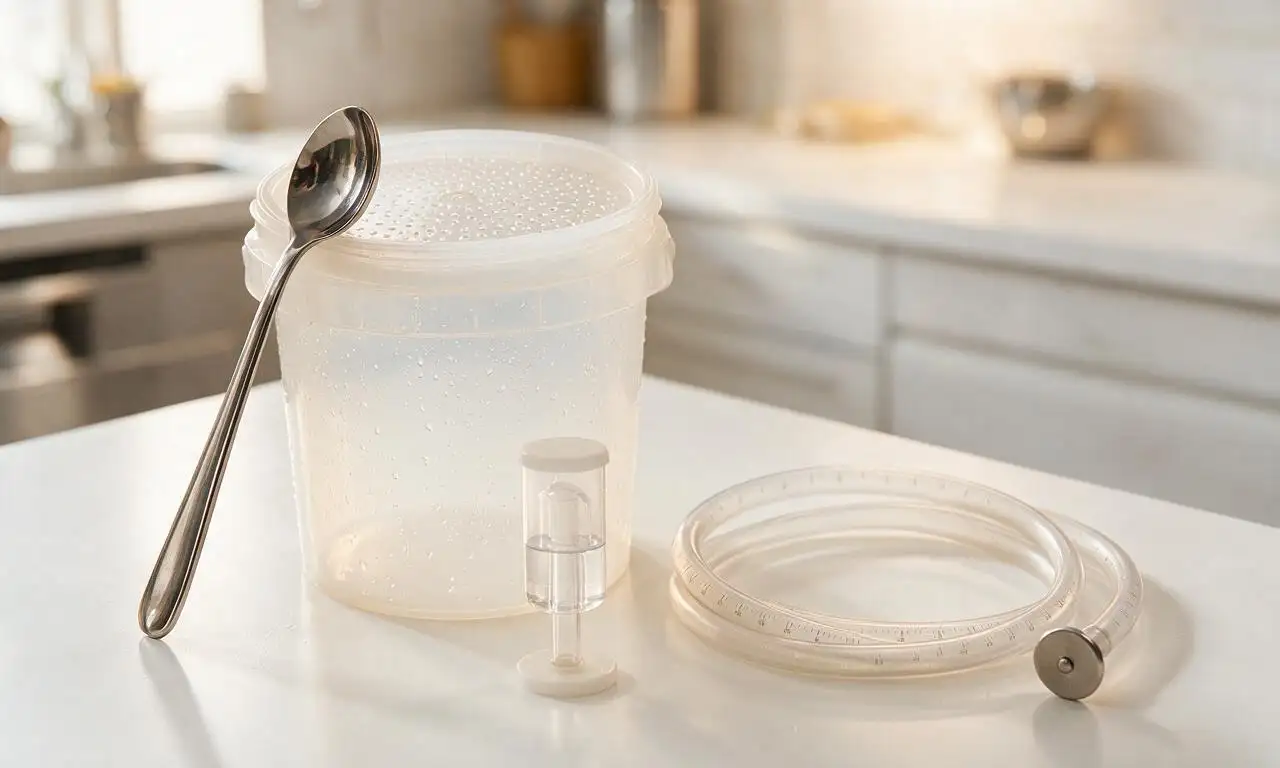
Step 1
step1:Sanitize brewing equipment
2

Heat base brewing water

Pour 3 liters (12.7 cups) of filtered water into a 6-liter (1.6 gallon) stainless steel stockpot, set over medium-high heat until the water reaches a steady 65°C (149°F), approximately 10 minutes. Do not bring to a rolling boil at this stage, as overly hot water will scorch malt and create harsh bitter notes.
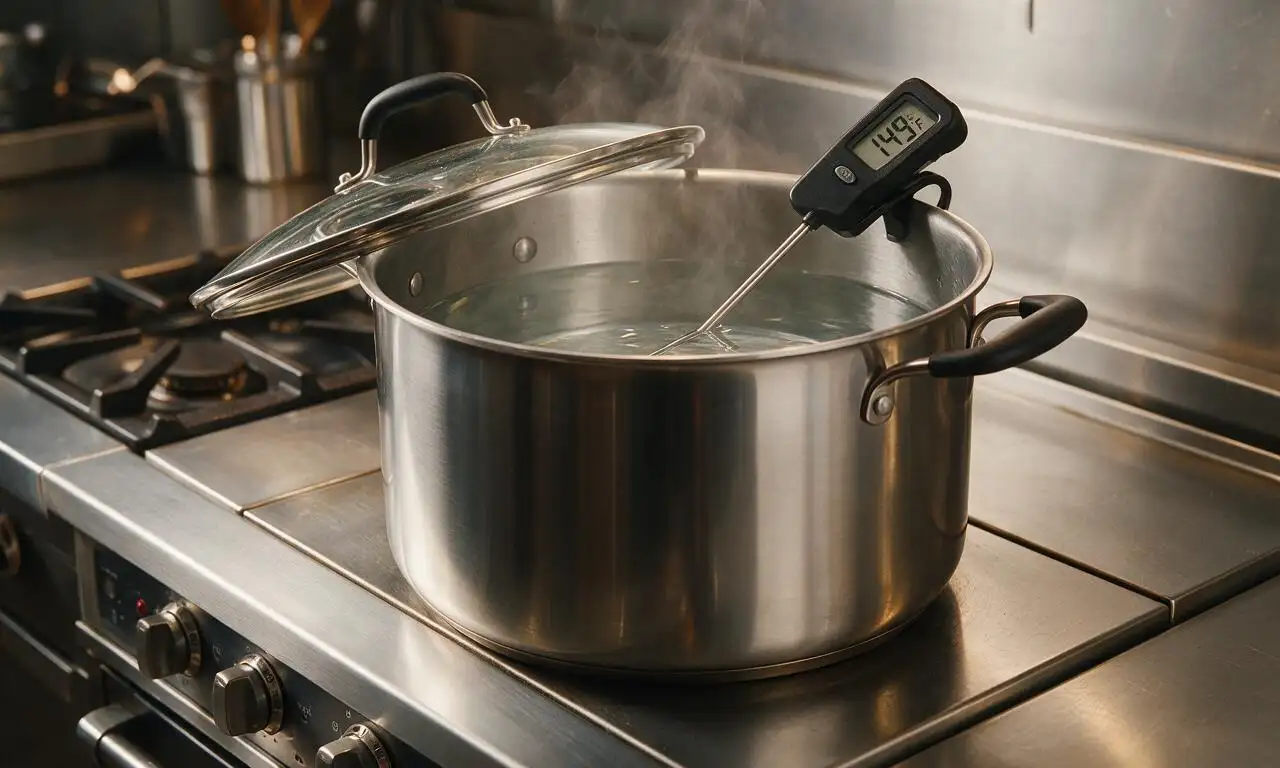
Step 2
step2:Heat base brewing water
3

Boil wort with hops

Slowly stir all 900 grams of light wheat malt extract into the heated water until fully dissolved, to prevent clumping and scorching on the pot bottom. Increase heat to high to bring the sweet, unfermented wort to a gentle rolling boil, then set a 60-minute timer. Add 7 grams (1 tablespoon) of Hallertau hops at the start of the boil for soft bitterness, and the remaining 7 grams of hops during the final 5 minutes of the boil for floral, herbal aroma. Adjust heat to medium-high to maintain a steady boil without messy boilovers.
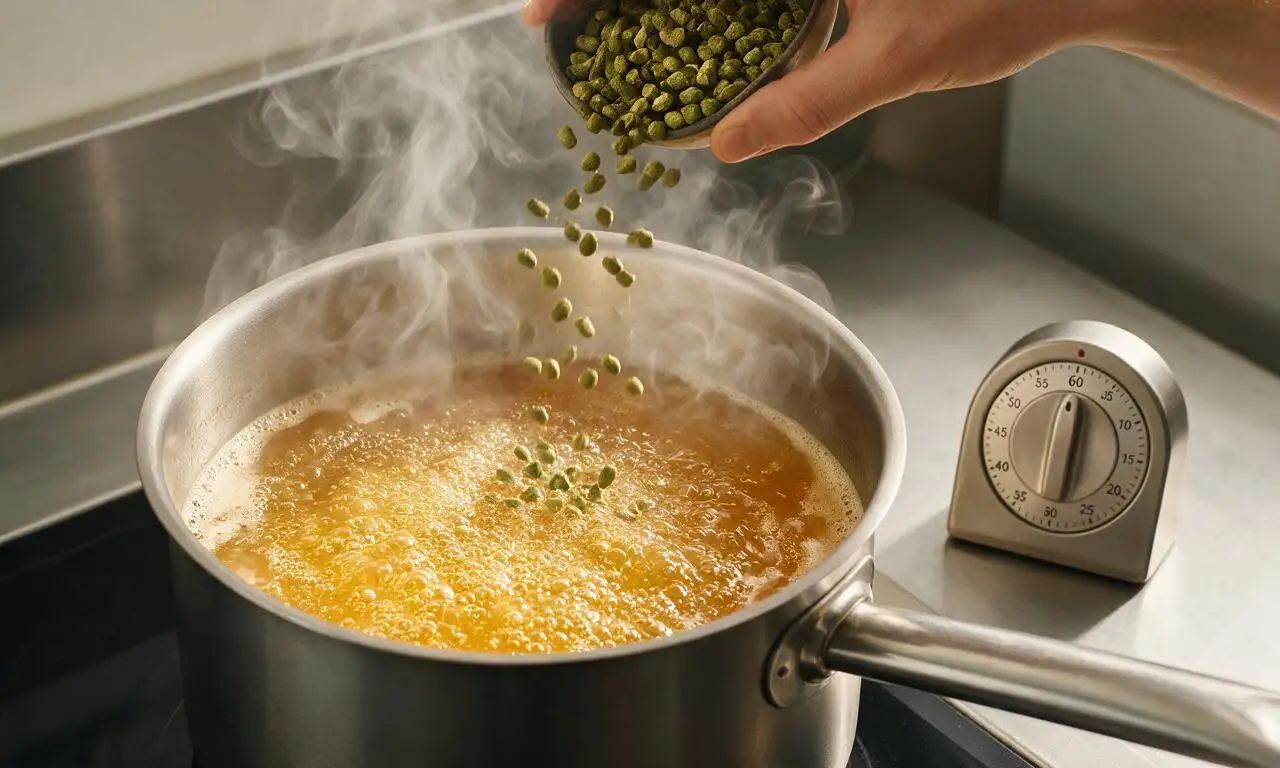
Step 3
step3:Boil wort with hops
4

Rapidly cool wort

When the 60-minute boil finishes, turn off the heat immediately and secure the pot lid. Set the sealed pot into a kitchen sink filled with equal parts ice and cold tap water, stirring the wort gently every 5 minutes (opening the lid only briefly to stir) until the wort cools to 21°C (70°F), approximately 20 minutes. Quick cooling prevents off-flavors and reduces contamination risk.
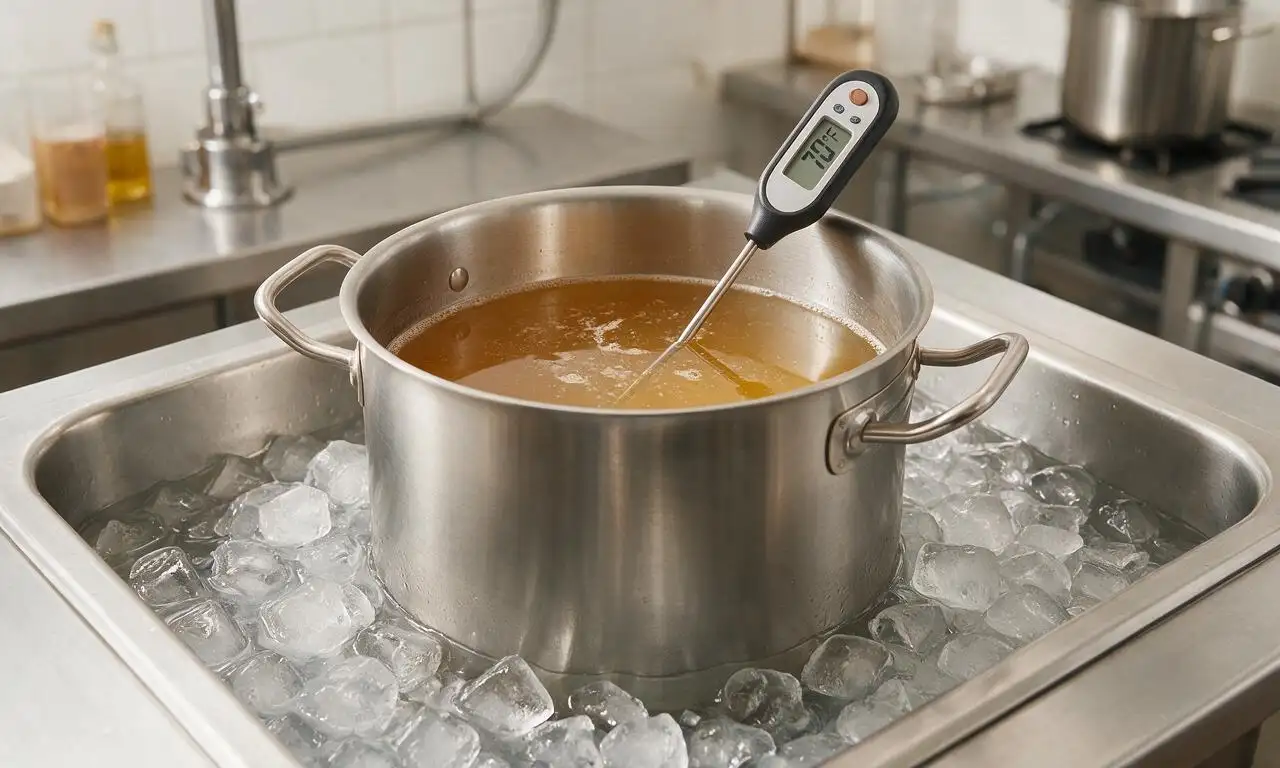
Step 4
step4:Rapidly cool wort
5

Pitch yeast for fermentation

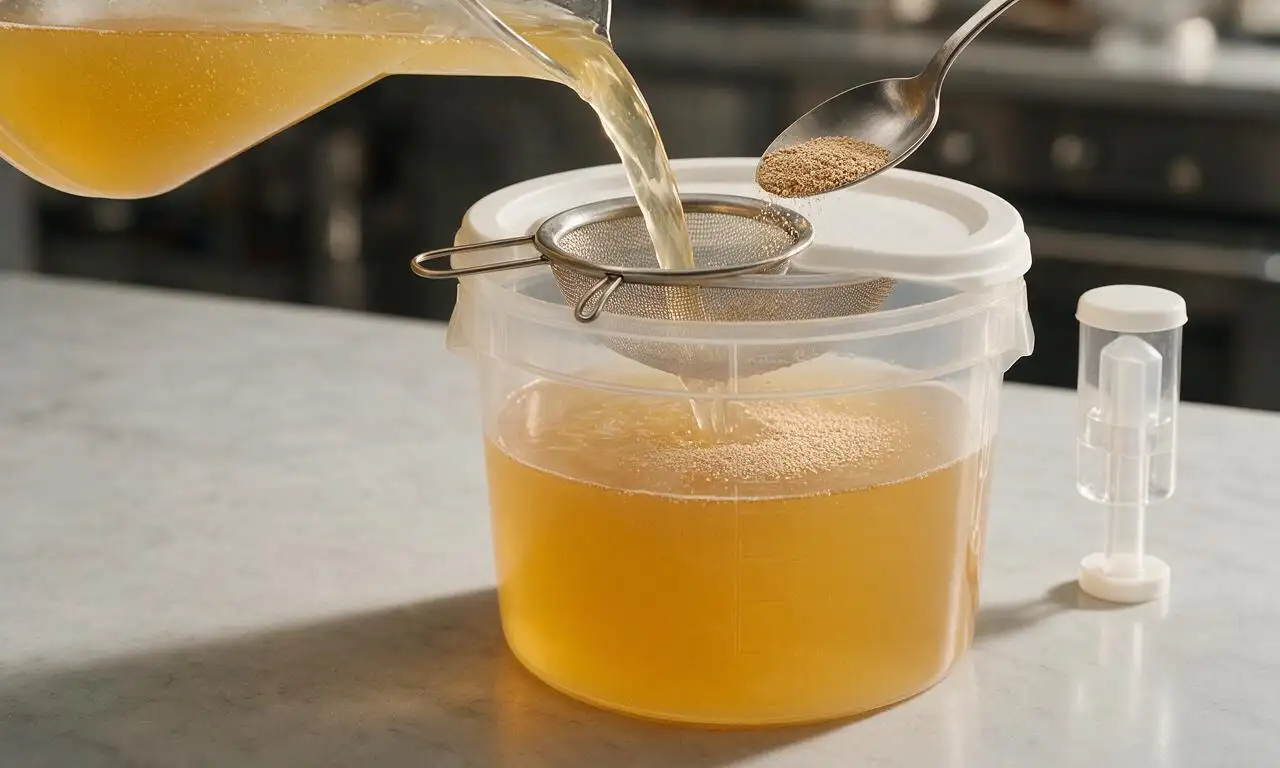
Pour the cooled wort through a sanitized fine-mesh sieve into the prepared fermentation bucket, then top up with additional filtered cold water to reach a total volume of 3.8 liters (1 gallon). Sprinkle the entire 11-gram packet of Bavarian hefeweizen yeast evenly across the wort surface, seal the bucket lid tightly, and fill the airlock halfway with sanitizer before inserting it into the lid hole. Store the bucket in a dark, temperature-stable space held at 18-20°C (65-68°F) for 7 days to complete primary fermentation, until bubbling in the airlock stops entirely.
Step 5
step5:Pitch yeast for fermentation
6

Bottle and carbonate beer

After 7 days of primary fermentation, dissolve 28 grams (2 tablespoons) of priming corn sugar in 60ml (1/4 cup) of boiling water, cool to room temperature, and add the solution to a sanitized bottling bucket. Siphon the fully fermented beer from the fermentation bucket into the bottling bucket, taking care to leave the thick layer of yeast sediment at the bottom of the fermentation bucket behind, to mix evenly with the priming sugar. Fill sanitized 355ml (12oz) glass bottles, leaving 2.5cm (1 inch) of headspace below the rim, and cap tightly with sanitized metal bottle caps. Store bottles in the same dark, 18-20°C space for 7 additional days to allow natural carbonation from the yeast.

Step 6
step6:Bottle and carbonate beer

Tips

1.Sanitize every surface that will touch cooled wort or beer—even a tiny amount of unwashed soap residue or airborne bacteria can create sour, musty, or cardboard-like off-flavors in your finished hefeweizen.
2.Keep fermentation temperatures strictly between 18-20°C (65-68°F); temperatures above 22°C (72°F) will produce harsh, solvent-like fruity notes instead of the soft banana and clove profile that defines traditional hefeweizen.
3.Chill finished bottles for 24 hours in the refrigerator before opening after conditioning, and pour slowly to leave the thin layer of yeast sediment at the bottom of the bottle for the signature cloudy appearance and smooth mouthfeel.


✨ You May Also Like

Drinks & Beverages
🍜 Mexico

A bright, balanced tequila-based cocktail with zesty fresh lime, smooth orange liqueur, and a signature salt rim, perfect for warm summer sipping.

⏱️ 5 minutesDrinks & Beverages ★ 4.9
Drinks & Beverages
🍜 United States

Thick, creamy, nostalgic classic vanilla milkshake with a rich, smooth texture, topped with whipped cream and a cherry for cool, sweet refreshment.

⏱️ 5 minutesDrinks & Beverages ★ 4.7
Drinks & Beverages
🍜 United States

A bright, golden strong ale with fruity banana-clove notes, subtle hop spice, and soft carbonation, brewed in classic Trappist Tripel tradition.

⏱️ 2 hours aDrinks & Beverages ★ 4.5
Drinks & Beverages
🍜 United States

A frothy, nostalgic American soda fountain treat pairing bubbly cold root beer with creamy vanilla ice cream, perfect for cooling down at warm weather gatherings.

⏱️ 20 minuteDrinks & Beverages ★ 4.8
Drinks & Beverages
🍜 United States

Tart, funky, effervescent American Wild Ale is a complex fruity craft beer brewed with wild yeast, delivering bright, zesty notes perfect for warm-weather sipping.

⏱️ 2 hours aDrinks & Beverages ★ 4.4
Drinks & Beverages
🍜 United States

Bright, bubbly copycat of the iconic American caramel cola, balanced with citrus and warm spice, perfect for sipping ice-cold on hot days.

⏱️ 15 minuteDrinks & Beverages ★ 4.8

Hefeweizen:Frequently Asked Questions

1.What gives traditional hefeweizen its signature banana and clove notes, and how do I get that balance right? ▾
Those iconic flavors come entirely from the Bavarian hefeweizen ale yeast, not added fruit or spices! Ferment your wort between 62–68°F, the ideal range for this strain, to balance bright banana (ester) and soft clove (phenol) notes. Too-warm temps create harsh solvent flavors, while too-cold temps muffle that classic profile.
2.Can I use regular tap water instead of filtered water for this recipe? ▾
I strongly recommend sticking to filtered water for the best results. Most tap water has chlorine or chloramine additives that react with yeast and hops to create harsh, medicinal off-flavors that overpower hefeweizen’s soft profile. If tap water is your only option, treat it with one crushed campden tablet 24 hours before brewing to neutralize those compounds.
3.How do I get that light, bubbly effervescence that classic hefeweizen is known for? ▾
That perfect, crisp fizz relies on using the right amount of priming corn sugar—3/4 cup per 5-gallon batch is the ideal measurement for hefeweizen, so don’t overdo it. Mix the sugar evenly into fully fermented wort right before bottling for consistent carbonation, and never bottle early to avoid gushing, over-fizzy beer.
4.Why isn’t my hefeweizen hazy and cloudy like traditional Bavarian versions? ▾
That classic cloudiness comes from suspended wheat proteins and yeast, so you’re likely over-processing your brew! Skip fining agents like Irish moss during the boil, avoid cold crashing for more than 24 hours before bottling, and give each bottle a gentle swirl before pouring to rouse settled yeast for that perfect hazy look.
5.Can I use regular generic ale yeast instead of the specified Bavarian hefeweizen strain? ▾
Skip generic ale yeast for this recipe! That specific Bavarian strain is the only ingredient that produces the iconic balanced banana and clove profile that defines traditional hefeweizen. Generic ale yeast will leave you with a plain, neutral wheat beer; you can pick up dry or liquid versions of the correct strain at any homebrew supply shop.
6.Why did my last homemade hefeweizen turn out overly bitter, and how do I fix that? ▾
Traditional hefeweizen is meant to have very mild, soft hop bitterness, so over-bitterness usually comes from adding too many Hallertau hops or adding them too late in the boil. Stick to the recipe’s scheduled 60-minute hop addition, and skip dry hopping entirely—hops should be a subtle backbone, not the star of the show.
7.What can I substitute for light wheat malt extract if I can’t find it locally? ▾
If light wheat malt extract is out of stock, use a 60/40 blend of plain light liquid malt extract and crushed raw wheat malt, steeped for 30 minutes at 155°F before boiling. Skip dark wheat malt or roasted malts entirely—these add heavy, toasty, nutty notes that cover up the bright, soft fruit and spice flavors this beer is known for.
8.Why does my hefeweizen have an odd, fake candy banana flavor instead of ripe, natural banana? ▾
That artificial, candy-like banana taste is caused by fermenting your wort too warm, above 72°F, which pushes the yeast to overproduce isoamyl acetate, the compound behind that harsh fake fruit note. For your next batch, keep fermentation steady at 62–68°F to lock in that soft, natural ripe banana character.
9.Do I need to add actual banana or clove to my brew to get that classic hefeweizen taste? ▾
Nope, no extra fruit or spices are required at all! All of that signature ripe banana and warm clove character comes directly from the Bavarian hefeweizen yeast working during fermentation. Adding real banana or ground clove will make those flavors taste overpowering and artificial, so skip the add-ins and let the yeast do the work.
10.What’s the best way to serve this homemade hefeweizen for an authentic experience? ▾
Serve it cold, around 42–45°F, in a tall, flared weizen glass to show off its hazy golden color and fluffy, long-lasting head. Give each bottle a gentle swirl right before pouring to rouse settled yeast, and skip filtering. It pairs perfectly with grilled brats, lemon-herb chicken, and other light summer cookout fare.
11.How long will my bottled homemade hefeweizen stay fresh and flavorful? ▾
Stored in a cool, dark spot away from direct sunlight and big temperature swings, your hefeweizen will taste fresh and vibrant for 3–4 months. Those bright banana and clove notes will start to fade after that point, and the beer will taste flatter and more muted over time, so drink it within that window for best results.

Comments (17)

1 week ago

Super excited to try this! Quick question though— I only have dry wheat malt on hand right now, can I swap that in for the liquid malt called for without messing up the flavor? I’ve had a packet of hefeweizen yeast sitting in my fridge for months waiting for a solid recipe like this.

5 days ago

I did that exact swap on my first batch! Used 2 lbs of dry wheat malt instead of the liquid, added a tiny extra half ounce of Hallertau hops at 15 minutes, and it turned out great! No weird texture or off flavor.

3 days ago

Great question! The dry wheat malt swap works perfectly, just aim for a 1.048 original gravity to match the recipe profile. You might notice a slightly crisper mouthfeel vs liquid malt, but the classic banana/clove hefe notes will still come through strong as long as you keep your fermentation temp right around 68°F!

3 days ago

SO good! My wife thought I was crazy for spending 2 hours on a Saturday brewing beer instead of mowing the lawn, but after she had her first cold pint with our carnitas tacos she was fully on board. That subtle vanilla note from the yeast? Unreal. Way better than the overpriced hefeweizen we buy at the liquor store. Already ordered more ingredients to make a double batch for our Fourth of July cookout.

5 days ago

Tasted great overall, but my first batch came out way cloudier than I expected? I followed the mash temp exactly, did the 60 minute boil as written, but it looks more like unfiltered wheat juice than the hefeweizen I’m used to. Did I mess up the cold crash step?

3 days ago

So glad the flavor was on point! Hefeweizen is supposed to be naturally cloudy from the suspended yeast and wheat proteins, but if you prefer a slightly clearer pour, try extending your cold crash to 48 hours at 38°F and add a tiny amount of whirlfloc tablet 10 minutes before the end of the boil next time. That’ll help drop out extra sediment without killing that classic hefe mouthfeel.

2 weeks ago

Made this for my dad’s birthday since he’s obsessed with hefeweizens, and he said it’s better than any hefe he’s had on our trips to the Pacific Northwest! We poured it with a lemon wedge like the recipe suggested and it was chef’s kiss. My only tiny note is that 2 hours active time felt a little long for a first time brewer, but it was 100% worth the effort.

1 week ago

Wait you served it with lemon? I’ve always heard traditional Bavarian hefeweizen doesn’t come with a wedge—did it overpower the banana notes at all? I’ve been scared to try it!

5 days ago

So stoked your dad enjoyed it for his birthday! The lemon wedge is totally optional, no pressure to add it if you want that straight traditional flavor—if you do use it, a very thin squeeze is all you need so it doesn’t cover up those classic yeast notes. And you’re totally right about the active time for new brewers! Once you get a routine down, most folks knock the active work out in 90 minutes flat for this recipe.

yesterday

Just cracked open my first bottle from the batch I started two weeks ago and I’m blown away. I was so worried I messed up the fermentation temp because my garage got a little cold a couple nights in, but the clove flavor is perfect, not too much banana, super smooth. Even my roommate who hates wheat beer said he’d drink a whole six pack of this. Game changer for real.

5 minutes ago

Wait, do I *have* to do the 7 day conditioning at room temp after primary fermentation? I’m in a tiny Brooklyn apartment and I don’t have a ton of extra space to leave bottles out for that long, was hoping I could just stick them straight in the fridge after carbonation.

just now

I skipped the room temp conditioning on my last batch because I was short on space too! Left them in the fridge for 10 days instead and it was still totally delicious, just a little less of that prominent banana flavor. Still way better than store bought.

2 days ago

Brought a keg of this to our neighborhood block party last weekend and it was gone in 45 minutes! People were lining up to refill their cups, I had three neighbors ask for the recipe before I even left. I added a tiny bit of orange peel during the boil like my grandma used to do and it paired so nicely with the hefe flavors.

yesterday

That orange peel addition sounds incredible! So glad it was a hit at the block party—this recipe is super customizable, so little add-ins like that are such a fun way to make it your own without losing that classic hefeweizen core.

1 week ago

I’ve been homebrewing for 8 years and this is hands down the best hefeweizen recipe I’ve ever tried. The mash schedule is perfect for getting that soft, bready wheat flavor without making the beer feel heavy. I fermented mine at 66°F to get a little more clove than banana and it turned out exactly how I wanted. Will be my go-to hefe recipe from now on.

3 days ago

Ugh, I was so excited for this but my first batch came out really sour? I followed all the steps exactly, I think, I even sanitized everything twice. Did I do something wrong? I wasted all that malt and yeast and I’m so frustrated.

2 days ago

Oh no, that sucks! That’s usually an infection from something not getting fully sanitized—even the little spigot on your bottling bucket or the airlock can hold bacteria if you don’t take it all apart to clean. Don’t give up, my first ever homebrew batch was sour too!

2 days ago

I’m so sorry your first batch didn’t turn out! Sour off-flavors almost always come from unintended bacterial exposure, even with double sanitizing—small spots like the inside of your siphon tubing, under the lid of your fermenter, or even a loose airlock can let wild yeast in. Next time, take apart every single piece of equipment that touches the beer after the boil to sanitize, and make sure your airlock stays filled with sanitizer the whole fermentation period. You’ve got this!

30 minutes ago

Just kegged my third batch of this yesterday and it’s already tasting crisp and perfect for post-surf pints. I love how easy it is to scale this recipe up— I did a 5 gallon batch last time and it was gone in two weeks between me and my roommates.

5 minutes ago

Fellow surfer/homebrewer here! How long do you leave it in the keg before you start drinking it? I always get impatient and tap mine too early lol.

2 weeks ago

My kids thought it was hilarious that dad was making ‘homemade soda for grown ups’ in the garage, and even my wife who only drinks seltzer said this smelled ‘really good’ while it was fermenting. Cracking the first bottle tonight with some grilled brats, can already tell it’s gonna be a new family cookout staple.

5 days ago

Great recipe! My only issue is that my carbonation was a little low across all my bottles after the 14 days. I used the priming sugar amount listed, did I not mix it well enough when bottling?

3 days ago

Great catch! Low carbonation is usually from either unevenly mixed priming sugar (it helps to stir the sugar syrup into the full bottling bucket really gently for 2 full minutes to make sure it’s evenly distributed) or not leaving the bottles in a warm enough spot during conditioning. If your bottles were in a spot under 65°F, the yeast will carbonate slower—just leave them out for another 3-4 days and they should fizz up perfectly!

1 week ago

Took this recipe to my local homebrew club meetup last night and won first place in the wheat beer category! The judges loved how balanced the ester profile was, said it could pass for a traditional Bavarian import. I did a 20 minute mash out step like I do for all my wheat beers to help with lautering and I think that made the process way smoother.

5 days ago

No way! I was at that meetup, I tried your hefe and it was insane. I was gonna ask for the recipe, can’t believe it’s this one! Definitely gonna brew it next weekend.

3 days ago

Huge congrats on the first place win! That mash out step is such a pro move for wheat beers, I’m glad it made the lautering process easier for you. That’s such a cool win at your homebrew club, way to rep the recipe!

2 hours ago

Okay I was so nervous to try homebrewing because I thought it would be super complicated and require a ton of fancy equipment, but this recipe broke everything down so simply! I already have my first batch fermenting in the closet, the airlock is bubbling like crazy and I’m so excited to try it in two weeks.

30 minutes ago

Welcome to the club! I ferment all my batches in my bedroom closet too since it stays a perfect 68 degrees year round. Pro tip: set a calendar reminder so you don’t forget to bottle it on day 7, I forgot once and left it for 12 days and it was still fine but had way more banana flavor than I expected.

3 days ago

SO much better than the hefeweizen I usually pick up from the local grocery store. I love that it doesn’t have that weird artificial banana flavor a lot of commercial hefes have, it tastes like fresh, bready wheat with just the right amount of fruity yeast. Paired perfectly with the smoked salmon I made last night for dinner.

yesterday

Made this for my husband’s Father’s Day gift and he absolutely lost his mind. He’s been talking about wanting to get into homebrewing for years so I bought him a starter kit and pre-measured all the ingredients for this recipe, we brewed it together over the weekend and had the best time. Can’t wait to taste it when it’s ready!

2 hours ago

What a thoughtful Father’s Day gift! Brewing together as a little activity is such a fun memory, I’m sure the first pour is going to taste even better because you two made it together. Make sure to report back once you crack the first bottle!

2 weeks ago

Really solid hefeweizen recipe! I’ve made it twice now, first batch was perfect, second batch I tried using a different hefe yeast strain just to experiment and it didn’t have the same banana notes, obviously my bad for swapping. Next time I’m sticking exactly to the yeast recommendation in the recipe, no more experimenting lol.

1 week ago

Oh I did the exact same thing! Grabbed a random wheat yeast from the homebrew shop instead of the one listed and it came out super clove-heavy, almost like a spiced winter ale. Tasted fine but definitely not the classic hefe vibe.

5 days ago

Yeast makes such a huge difference with hefeweizen! The specific strain recommended is bred to produce that perfect 50/50 balance of banana and clove esters, but it’s always fun to experiment too—even if the experiments don’t turn out exactly as planned, that’s half the fun of homebrewing! So glad your first batch turned out perfectly.



