
Lager
intro
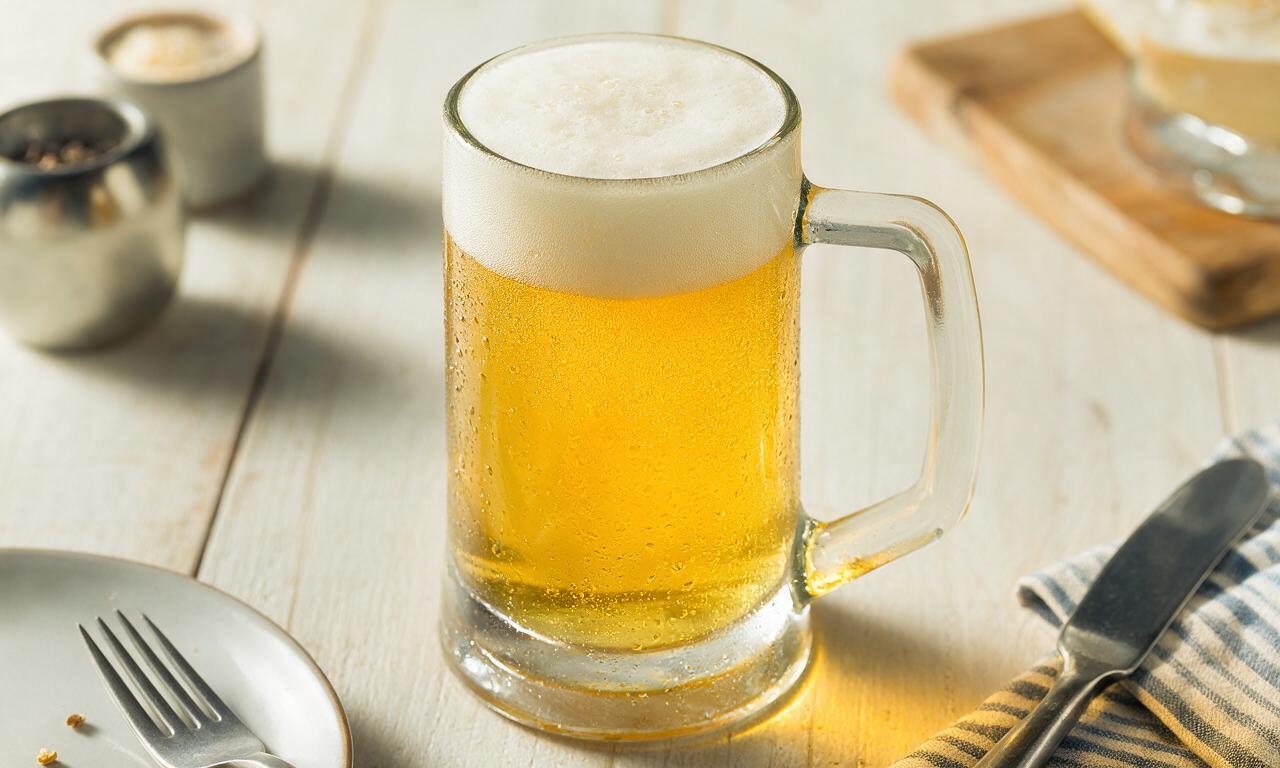
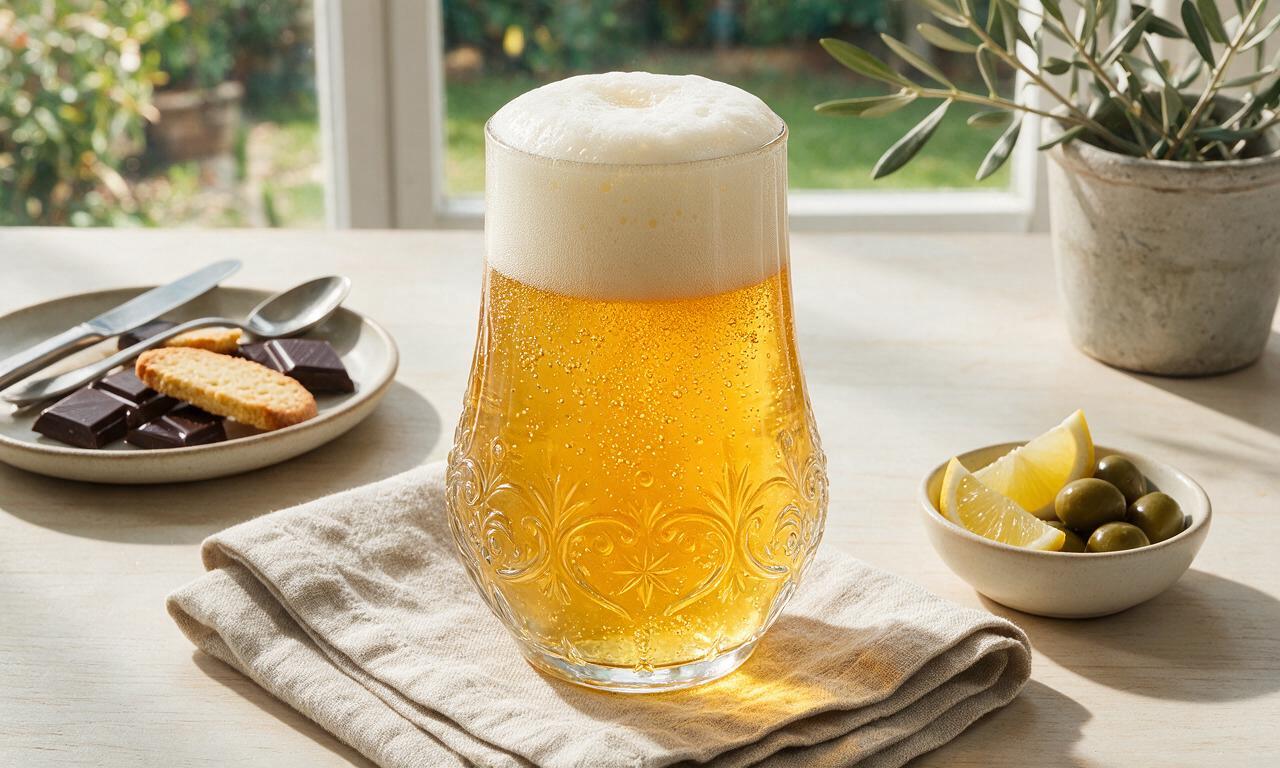
Crisp, clean, lightly hopped homemade Bavarian-style lager with soft malt sweetness, served ice-cold to pair with grilled fare and warm weather gatherings.
Ingredients
Steps
Sanitize all equipment
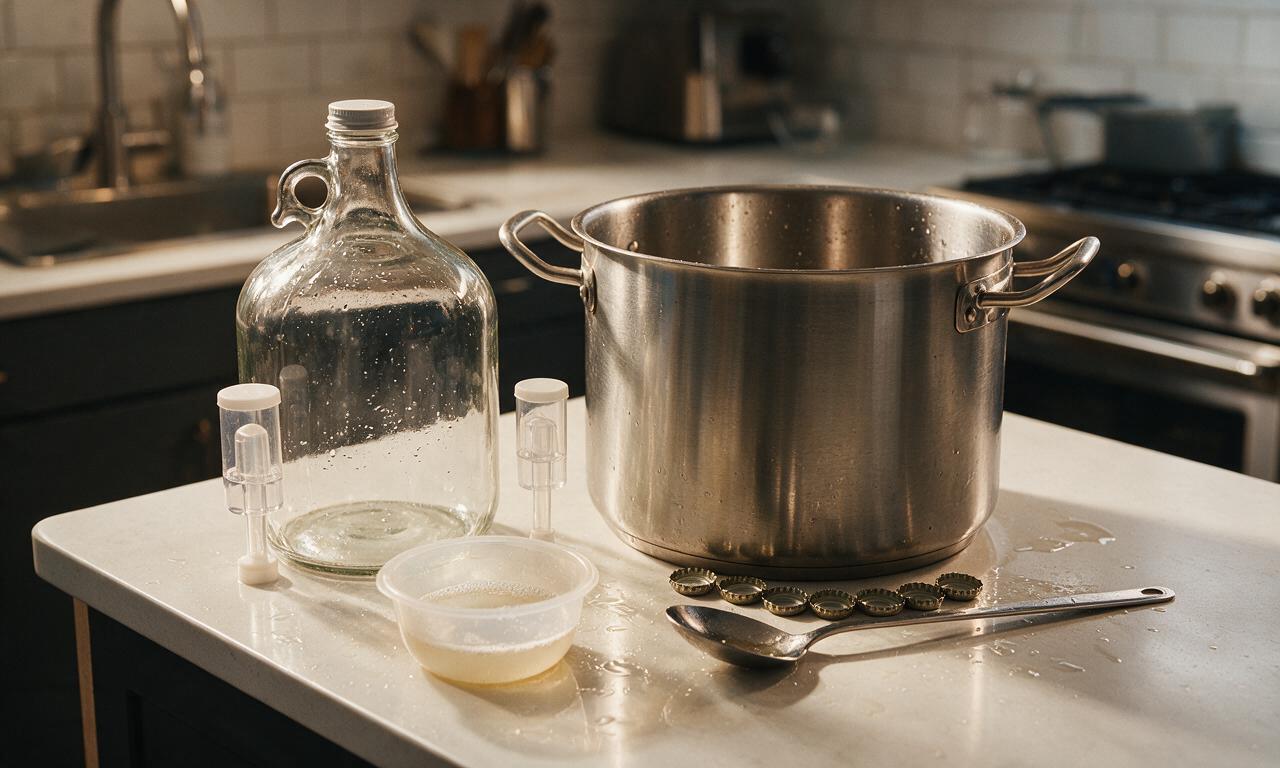
Wash and fully sanitize every piece of brewing equipment (3-gallon brew pot, 1-gallon glass fermenter, airlock, long stirring spoon, siphon, and 8 bottle caps) with no-rinse brewing sanitizer, mixed to a ratio of 1 tablespoon sanitizer per 1 gallon of cool water. Allow equipment to air dry completely for 5 minutes before use; residual soap or unsanitized surfaces will introduce bacteria that ruin the lager’s clean flavor.
Mash the malted grains
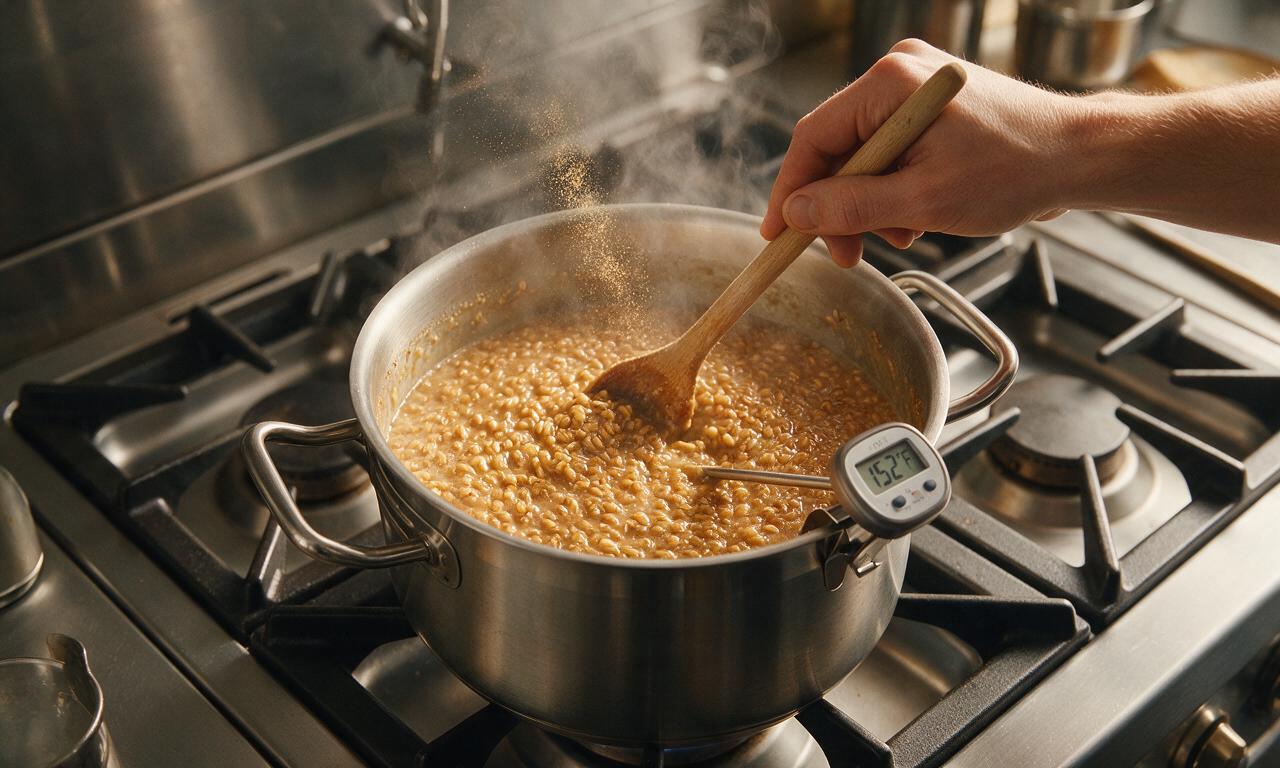
Heat 4 quarts (3.8L) of filtered water in the brew pot to 152°F (67°C) over medium-low heat. Add the crushed 2-row pale malt and crushed Munich malt, stirring thoroughly for 1 minute to eliminate dry clumps. Hold the mash temperature steady at 150–154°F (66–68°C) for 60 minutes, keeping the pot covered and adjusting burner heat as needed to stay in range; this process converts grain starches to fermentable sugar.
Boil and add hops
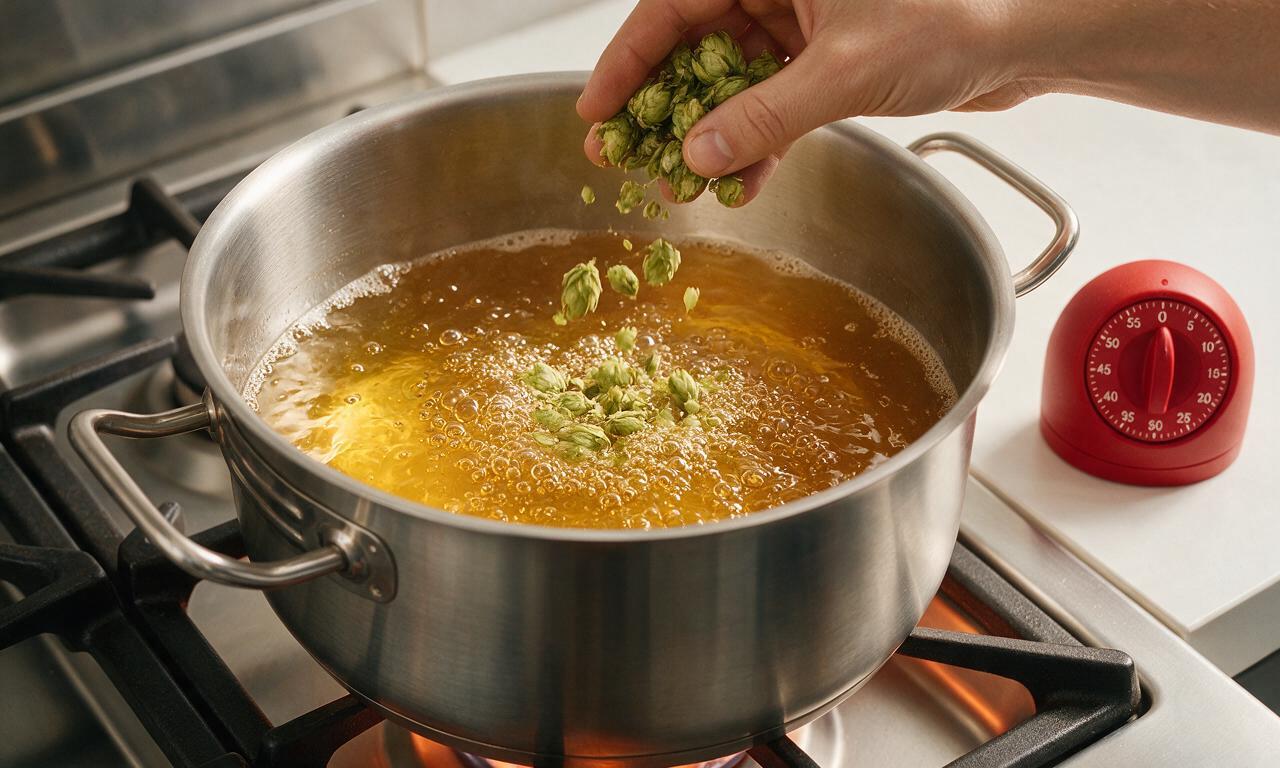
After the 60-minute mash finishes, strain out all spent grains and bring the resulting sweet, golden wort to a gentle rolling boil (212°F/100°C at sea level) over medium-high heat. Once a steady boil is reached, add the 21g portion of Hallertau hops, set a kitchen timer for 60 minutes, and adjust heat to medium to maintain the boil without messy boil-overs. When 15 minutes remain on the timer, add the remaining 7g of Hallertau hops to add bright, floral aroma.
Cool and pitch yeast
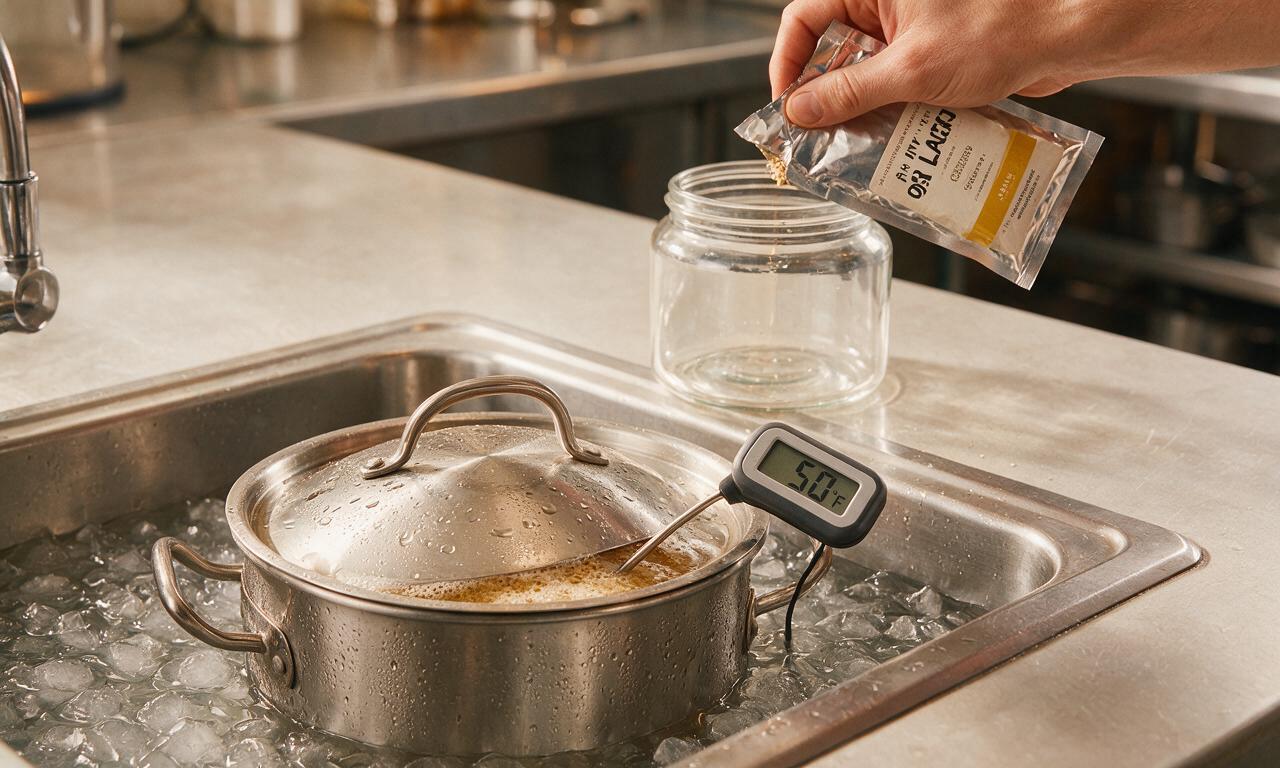
When the 60-minute boil ends, immediately move the pot off the burner and cool the wort to 50°F (10°C) as quickly as possible by setting the pot in a sink filled with 4 lbs (1.8kg) of ice and cold tap water. Stir the wort gently every 5 minutes for 20 minutes until the target temperature is reached. Pour the cooled wort into the sanitized fermenter, sprinkle the full 11g packet of lager yeast on top, then seal the fermenter tightly and fill the airlock halfway with leftover sanitizer solution.
Conduct primary fermentation
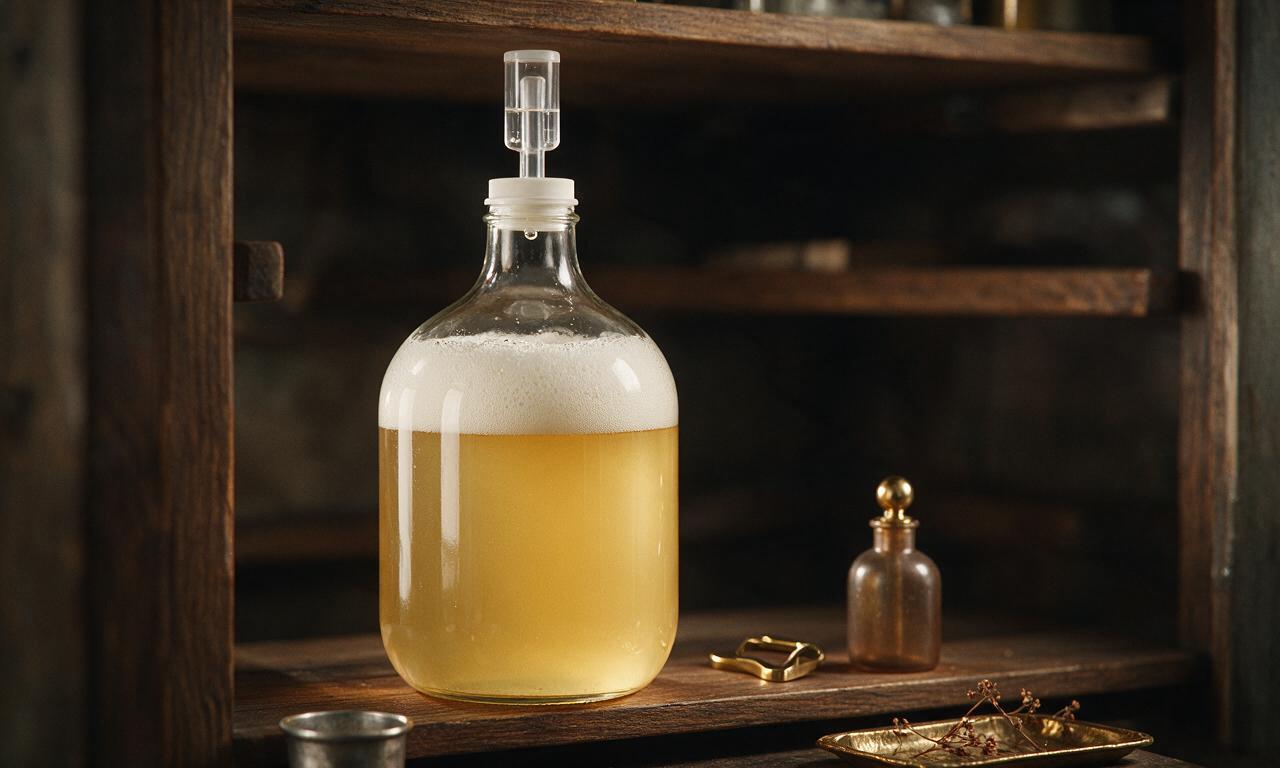
Place the sealed fermenter in a dark, temperature-controlled space (such as a temperature-stabilized fridge or cool basement) held steady at 50–55°F (10–13°C) for 2 full weeks. Do not open the fermenter during this period; you will see bubbles pass through the airlock every 10–30 seconds for the first 7–10 days as yeast converts sugar to alcohol, with bubble activity slowing to 1 bubble every 2–3 minutes once primary fermentation finishes.
Bottle and condition lager
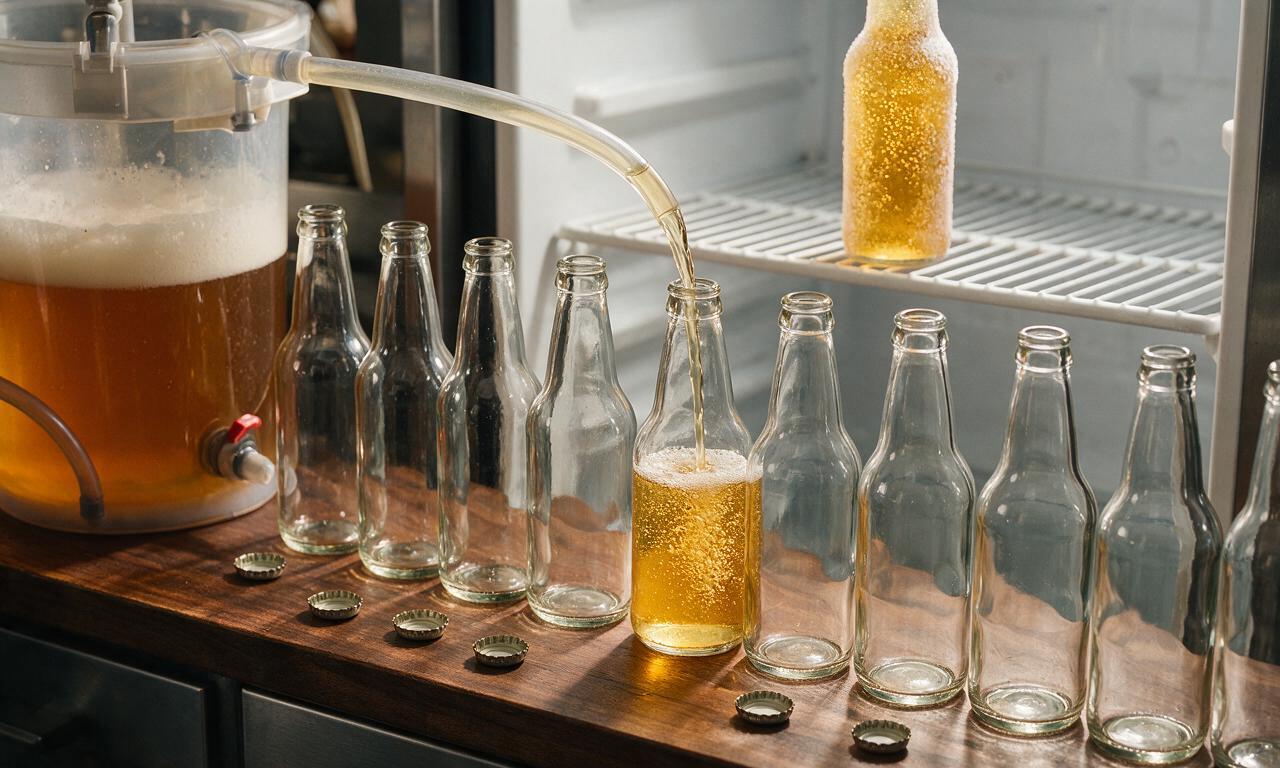
After 2 weeks of primary fermentation, siphon the flat, young beer into sanitized 16oz sealable glass bottles, adding 0.125 oz (3.5g) of corn sugar to each bottle to create natural carbonation as remaining yeast ferments the added sugar. Cap bottles tightly with sanitized metal caps, then return them to the same dark 50–55°F (10–13°C) space for 2 additional weeks to carbonate and smooth out flavors (this cold conditioning step gives lager its signature crispness). Chill finished bottles for 24 hours in the refrigerator before serving ice-cold.
Tips
2.Strict temperature control is critical for authentic lager: fermenting at temperatures above 60°F (15°C) will produce fruity, solvent-like off-flavors typical of ale, rather than the clean, crisp taste of lager.
3.Resist the urge to open the fermenter during primary fermentation, as exposure to oxygen will spoil the batch; track fermentation progress only by watching bubble activity in the airlock to avoid contamination.
OMG, I was so intimidated to try lagering for the first time since I’ve only done IPAs before, but this recipe was such a game changer! The 30 minute active prep time was totally doable even on a busy weeknight, and after 4 weeks of waiting, that first sip tasted exactly like the lagers I had at a beer garden in Munich last fall. Brought a growler to my neighborhood potluck last weekend and everyone was begging for the recipe. 10/10!
Tried this last month and it’s SO good. My wife who usually only drinks hard seltzer had two glasses at our last family dinner, and my teenage son (who’s been bugging me to teach him homebrewing) said it’s better than the fancy imported stuff we buy at the liquor store. Only note is I wish the instructions spelled out the exact water profile a little clearer, but I figured it out with a quick google search. Will absolutely make again.
Wait, hold up—4 weeks total time? I thought all lagers needed like 2+ months of lagering time? Is this recipe really ready that fast without tasting off? I’ve got a backyard BBQ coming up in 5 weeks and would love to serve this if it’s actually ready in time.
Game changer for my homebrew setup! I’ve wasted so much money on fancy lager recipe kits that turned out skunky or too sweet, but this one was perfectly malty with just that subtle noble hop bite I love. Did a double batch so I’d have enough for my fall camping trip with the guys.
Tried this for my first ever homebrew! The medium difficulty rating had me nervous, but the steps were super straightforward and I didn’t mess anything up (knock on wood). It’s in the secondary fermenter right now and I’m counting down the days until I can crack my first bottle.
My husband is the homebrewer in the family, so I bought him the ingredients for this recipe for his birthday. He just tapped the keg last night and WOW, even as someone who doesn’t drink beer that often I thought it was delicious! Super smooth, no weird bitter aftertaste, went perfectly with the bratwurst we made for dinner last night. We’re definitely adding this to our regular rotation.
Solid recipe, but I ran into a little issue where my fermentation got stuck at 1.020 after a week. Did anyone else have this problem? I checked the temp and it was holding steady at 52, so I’m not sure what went wrong. It tastes fine, just a little sweeter than I expected a Bavarian lager to be.