
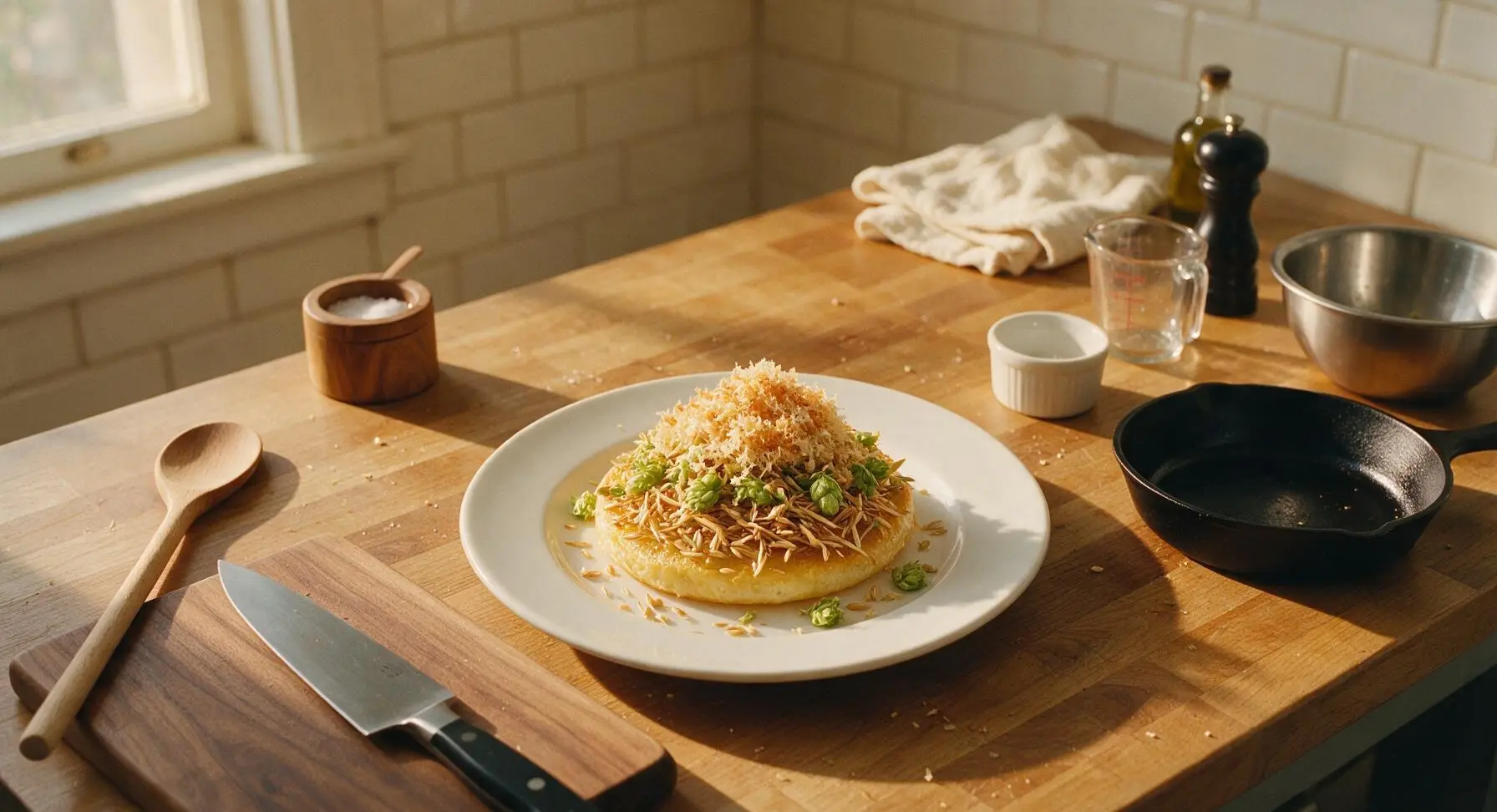
Pilsner

title 1
Pilsner
⏱️ cook time 1 hour 30 minutes
🍽️ servings 12
⚡ Difficulty medium

intro

Crisp, golden homemade German-style Pilsner with a clean malt backbone, bright floral noble hop aroma, and dry, refreshing finish, perfect for sipping ice-cold.

Ingredients
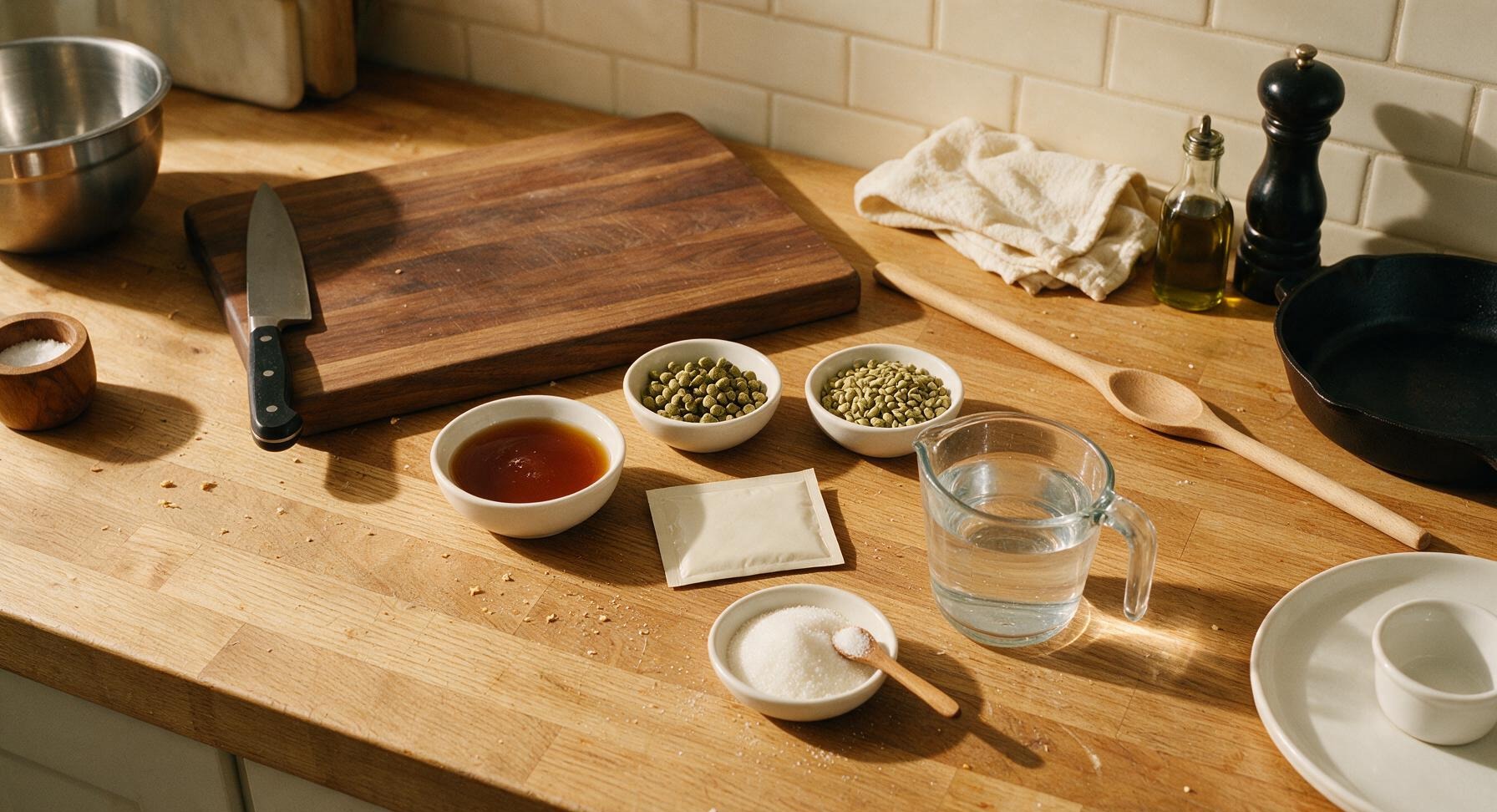
Light Pilsner liquid malt extract 1.8kg
Saaz hop pellets 15g
Hallertau hop pellets 5g
Pilsner lager yeast 1 packet (11g)
Filtered cold water 4L
Corn sugar (for priming) 100g

Steps

1

Sanitize All Equipment

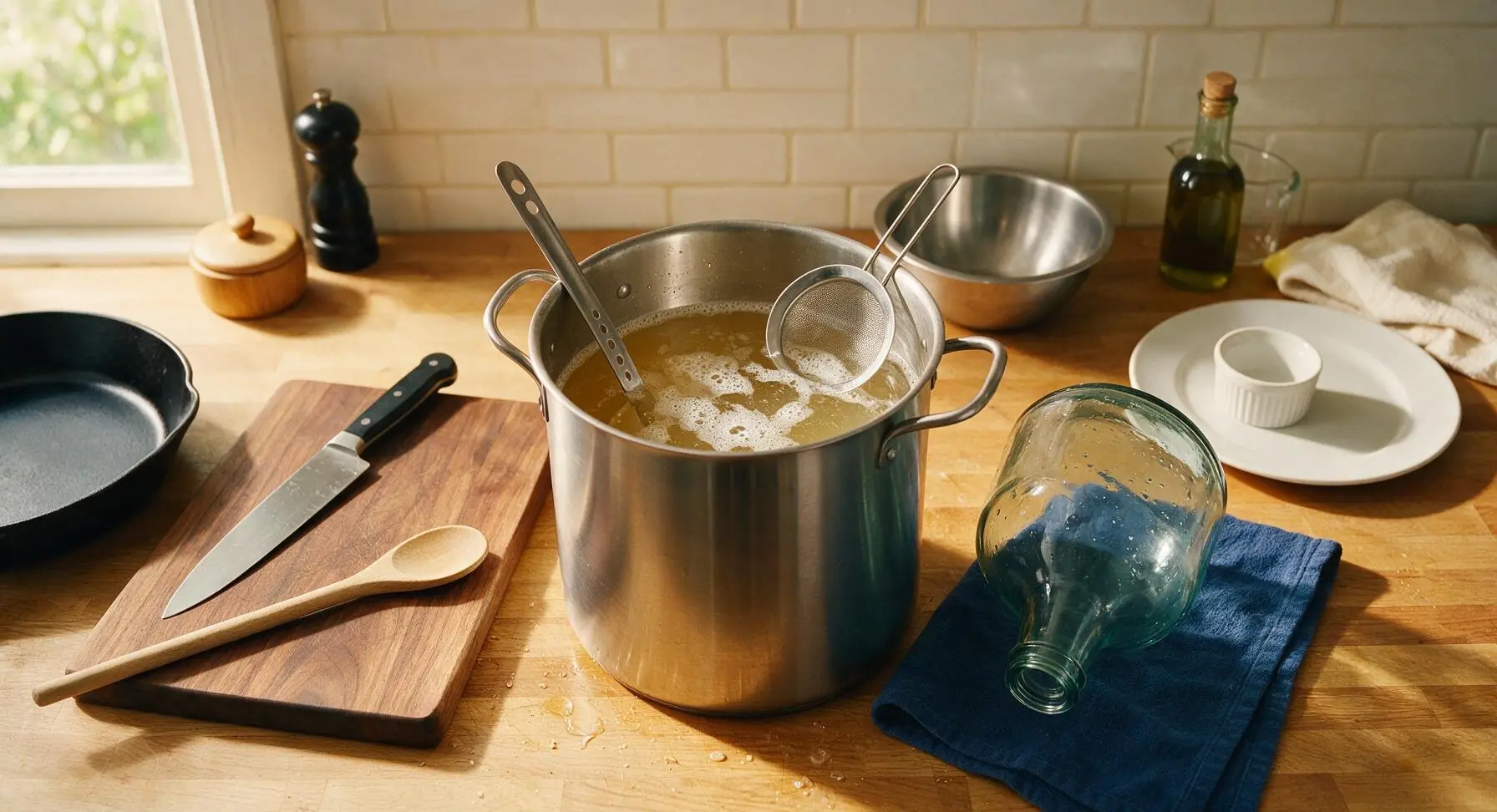
Mix 1 tablespoon of no-rinse brewing sanitizer with 4L of cool water in the 2-gallon stainless steel brew pot. Submerge the slotted stirring spoon, fine-mesh strainer, fermentation jug, airlock, auto-siphon, and bottle caps in the solution for 2 full minutes, then remove and set on the clean counter to air-dry. Do not towel-dry equipment, as this can introduce unwanted bacteria that cause off-flavors. Every surface that will touch cooled wort must be fully sanitized before use.
Step 1
step1:Sanitize All Equipment
2

Heat Brewing Water

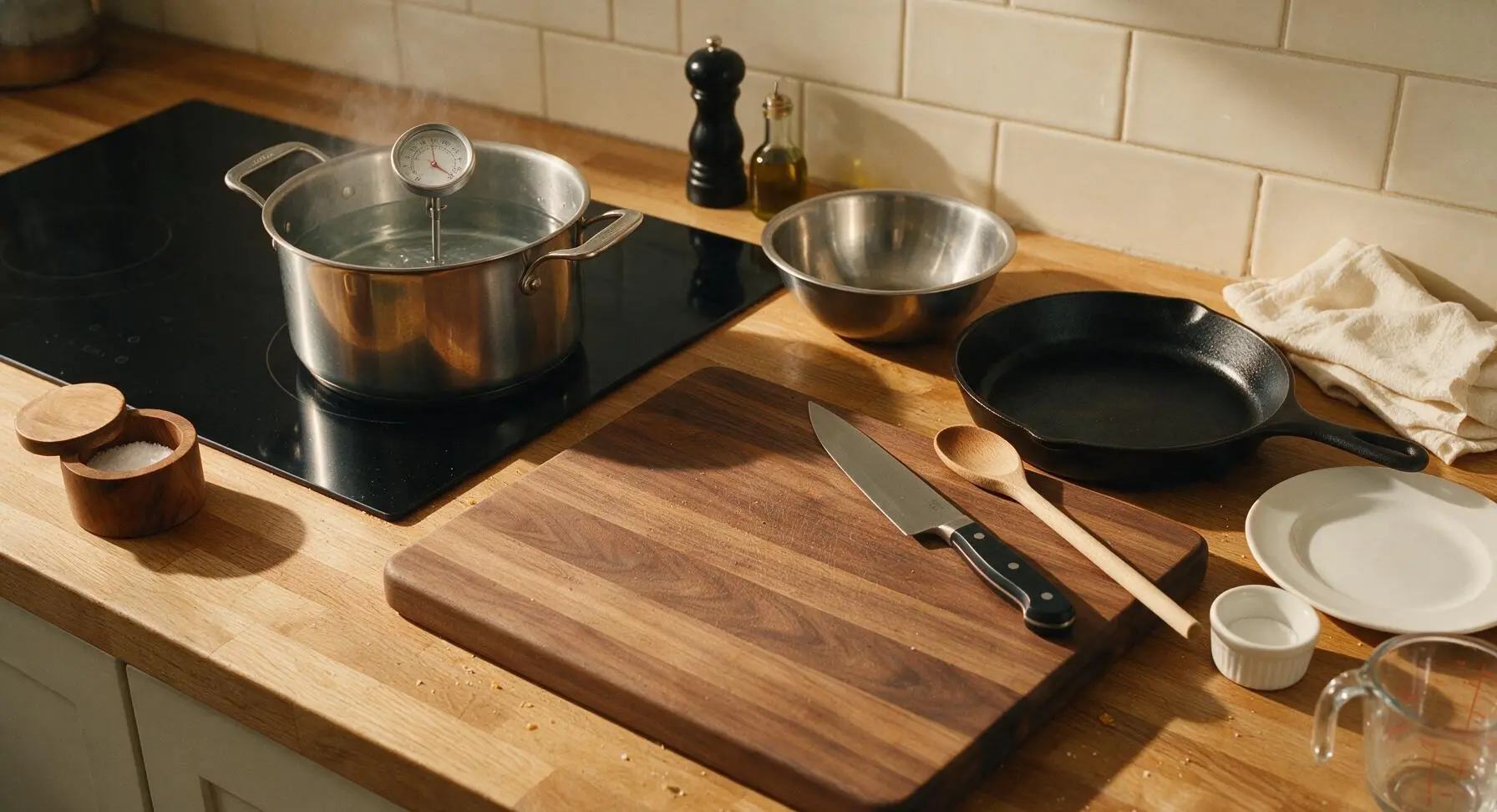
Pour 3L of filtered cold water into the sanitized brew pot, then set the pot on the flush matte black induction burner on the left counter. Heat the water to 65C (150F), checking temperature regularly with the analog dial thermometer. Do not bring the water to a full boil at this stage.
Step 2
step2:Heat Brewing Water
3

Mix in Malt Extract

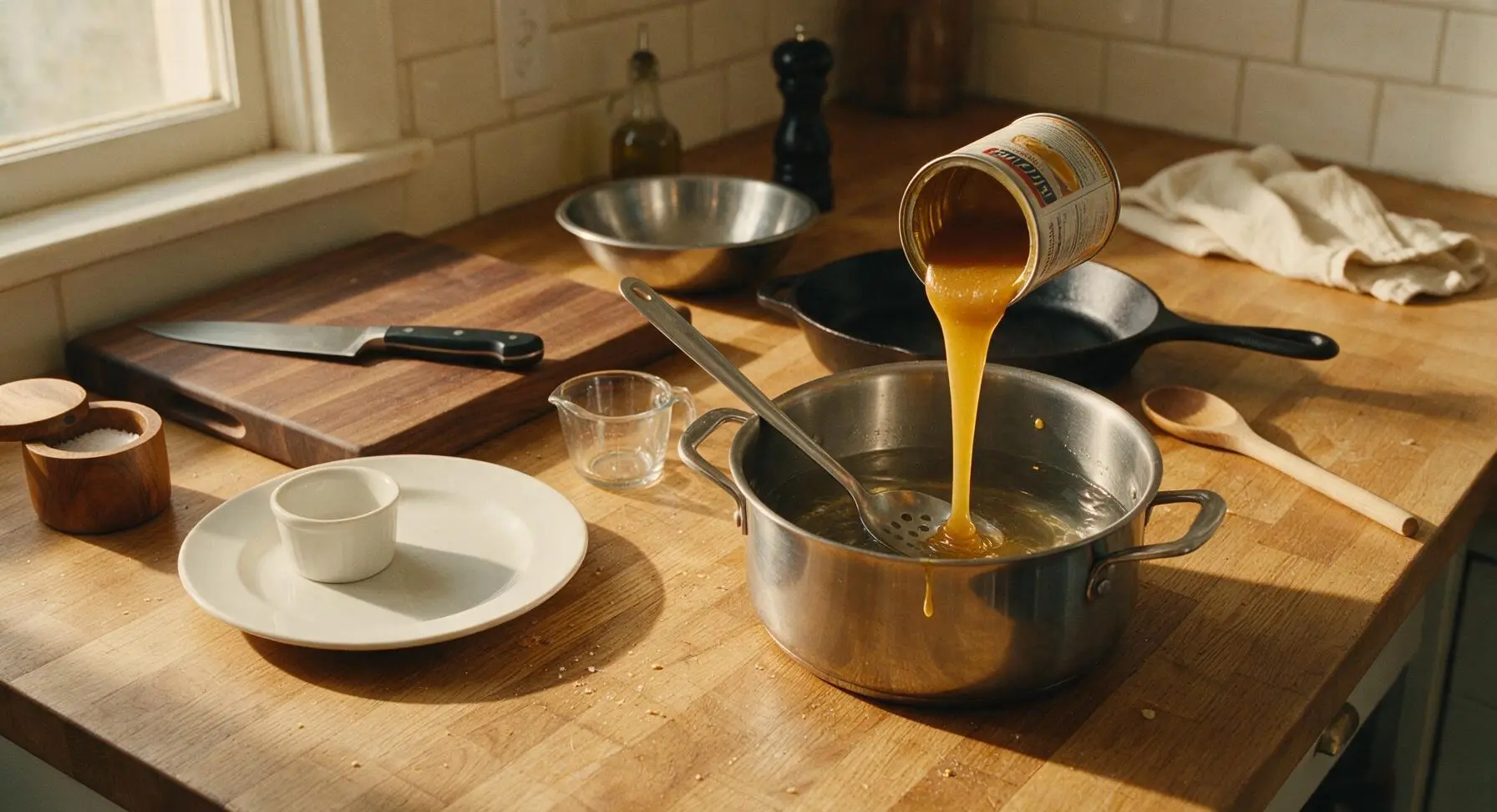
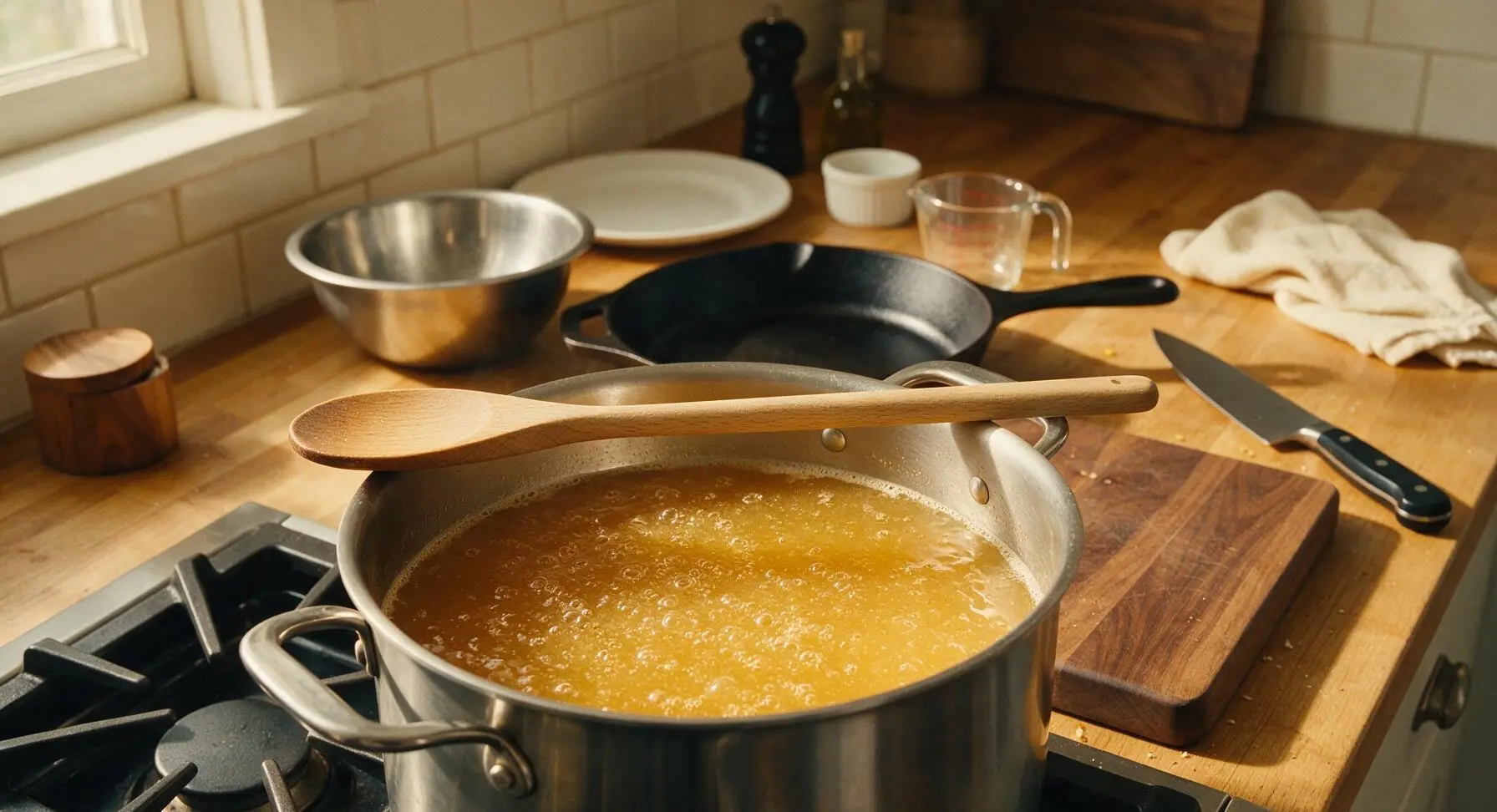
Slowly pour the full 1.8kg of light Pilsner liquid malt extract into the heated water, stirring constantly with the long slotted stainless steel spoon to prevent thick malt from sticking and burning on the bottom of the pot. Once the extract is fully dissolved, raise the heat to bring the sweet mixture (called wort) to a gentle, rolling boil. Watch closely as the wort heats to avoid starchy boil-overs that make a mess on the stovetop.
Step 3
step3:Mix in Malt Extract
Step 3
step3:Mix in Malt Extract
4

Add Bittering Hops

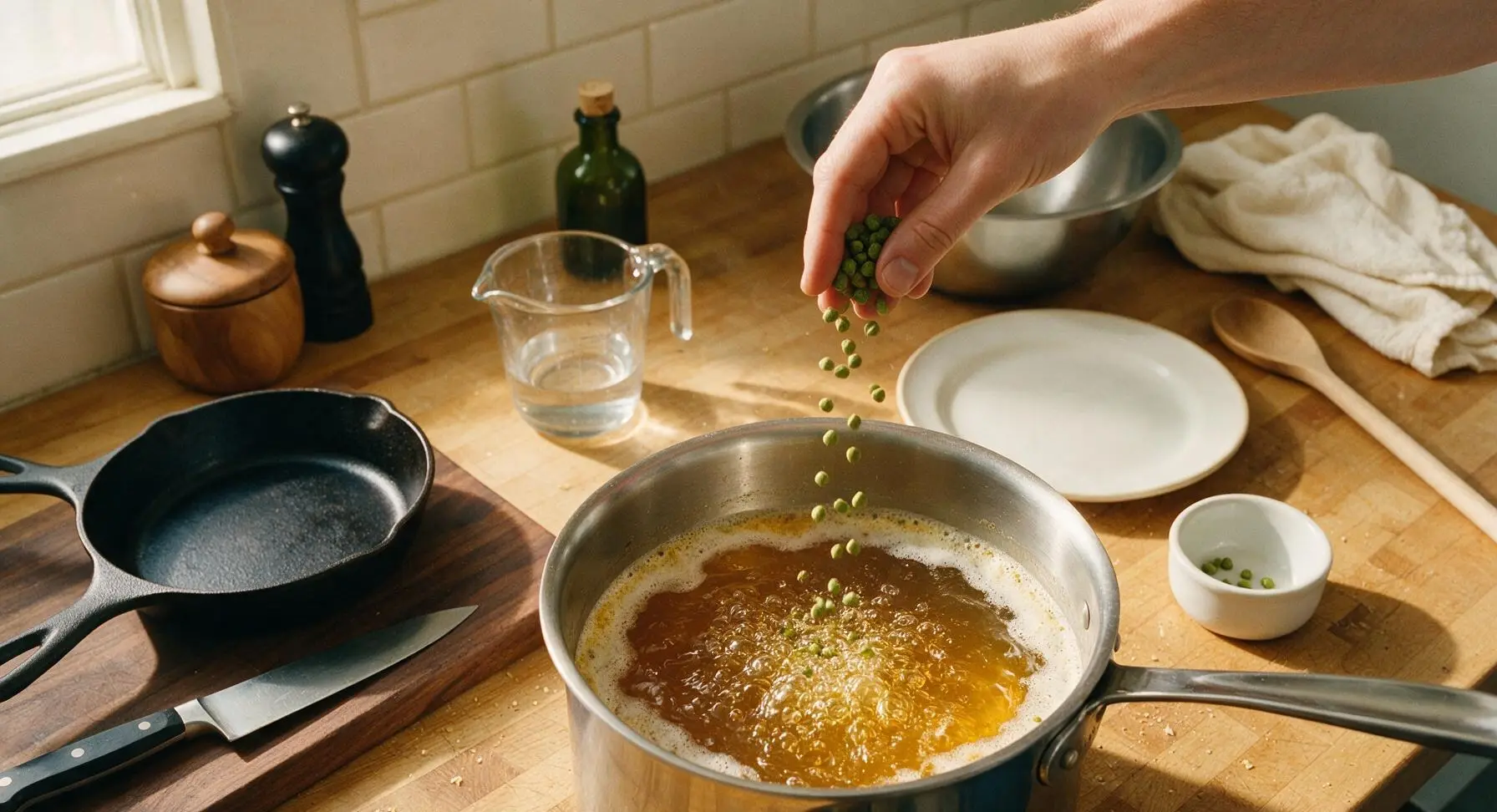
Once the wort reaches a steady, non-violent rolling boil, set a timer for 60 minutes. Add 10g of the Saaz hop pellets to the boiling wort immediately at the start of the boil; these hops will create the clean, balanced bitterness that cuts through the sweet malt base. Stir gently to submerge the hop pellets, then adjust heat as needed to maintain a steady boil without overflow.
Step 4
step4:Add Bittering Hops
5

Add Aroma Hops

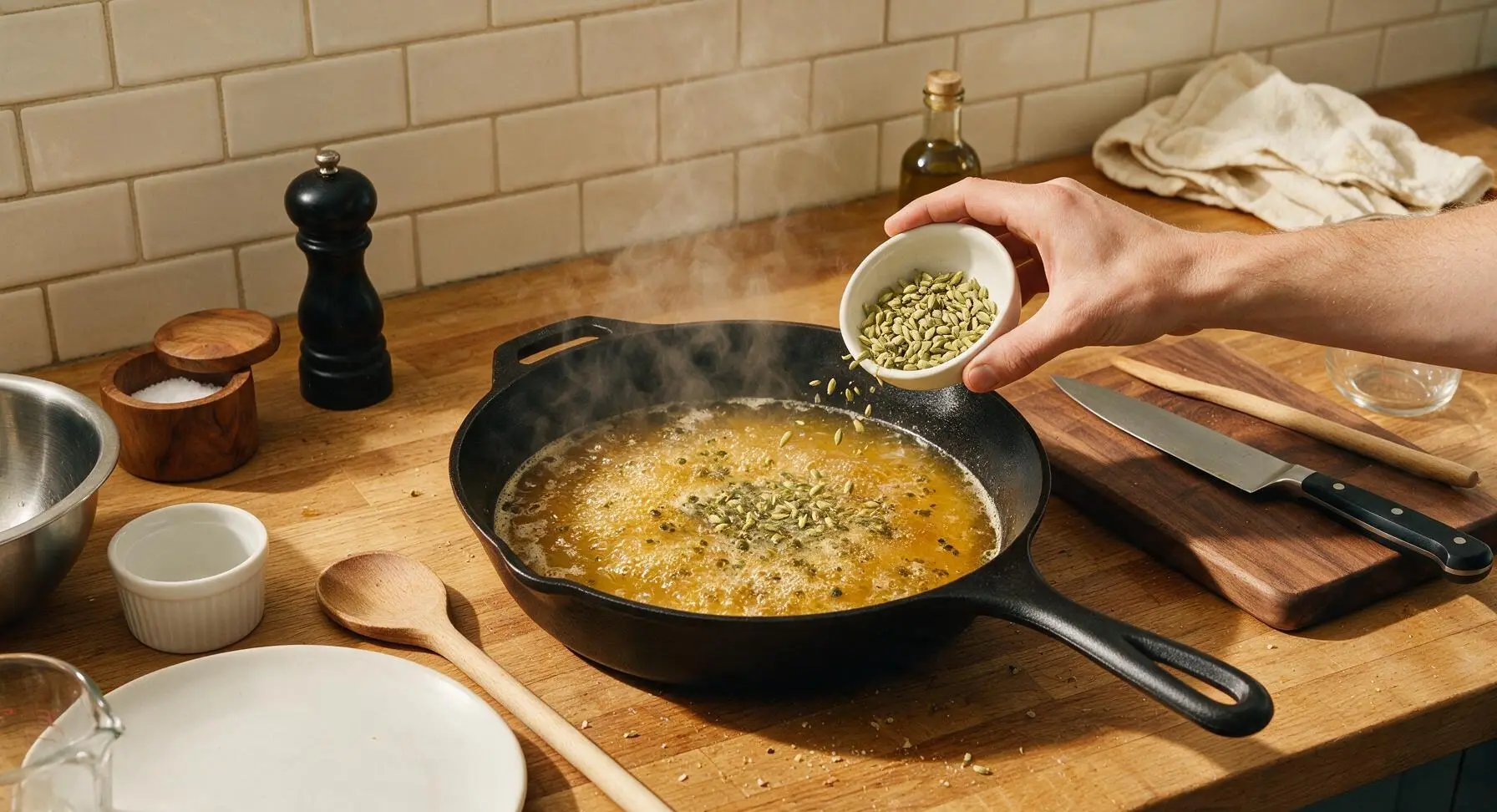
When 15 minutes remain in the 60-minute boil, add the remaining 5g of Saaz hop pellets and all 5g of Hallertau hop pellets to the wort. These late-add hops contribute the bright floral, slightly spicy noble hop aroma classic to Pilsner, as their delicate volatile oils will not boil off in the short remaining cook time. Avoid adding these hops earlier, as extended boiling will erase their bright aroma.
Step 5
step5:Add Aroma Hops
6

Cool Wort Quickly

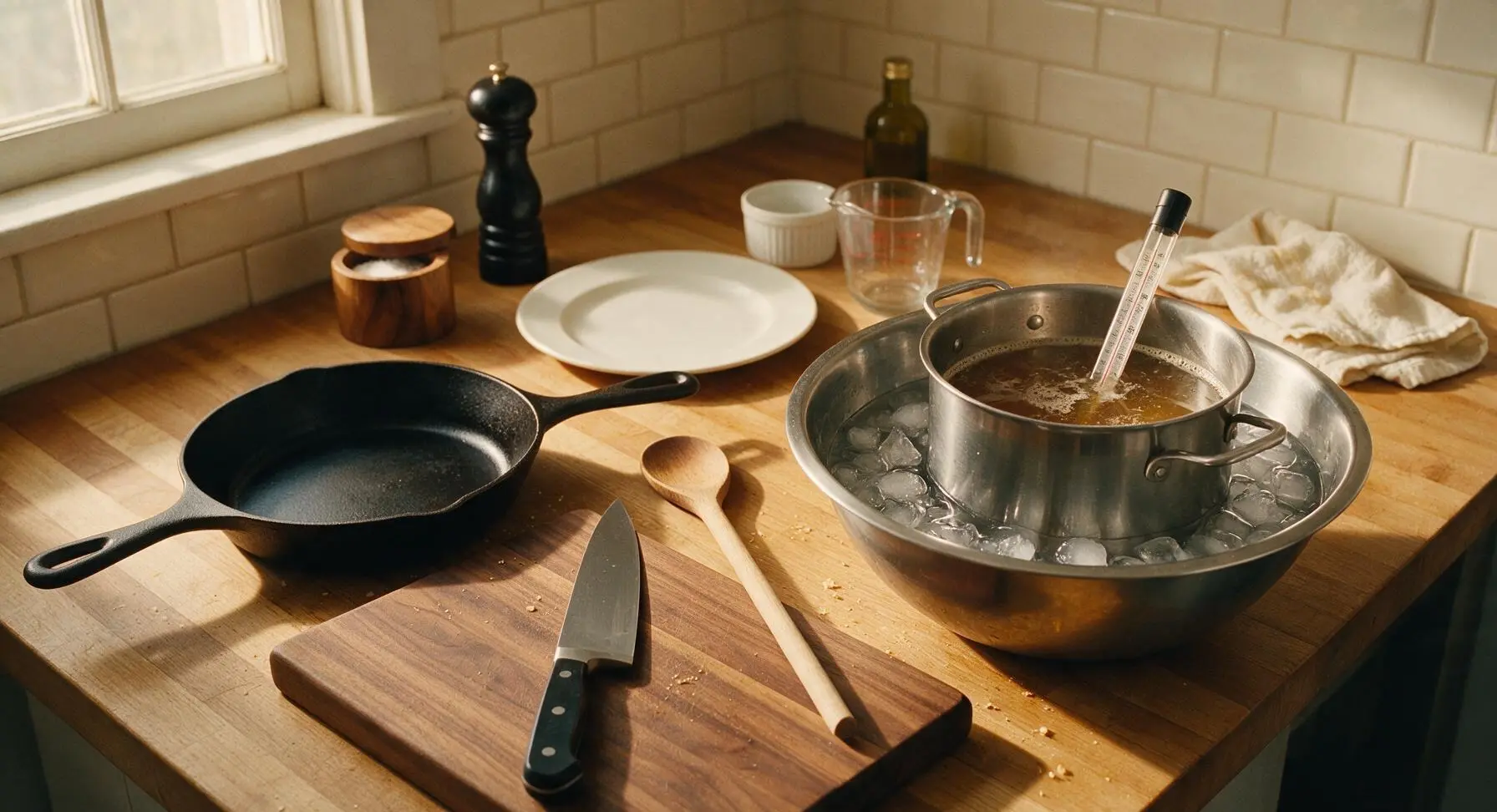
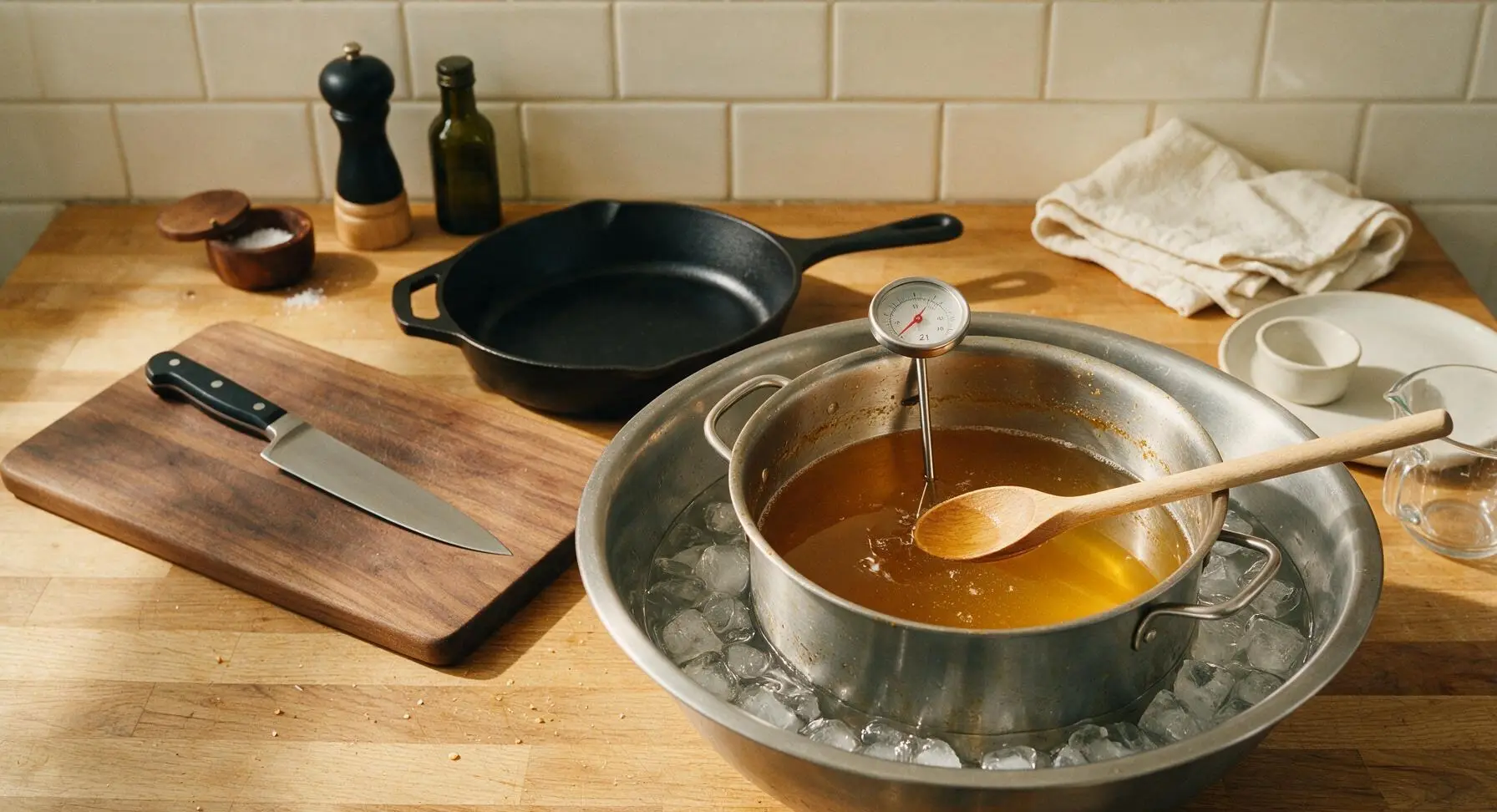
When the 60-minute boil is complete, turn off the induction burner. Carefully lift the brew pot and set it inside the large stainless steel mixing bowl filled with equal parts ice and cold water (an ice bath) on the right counter. Cool the wort to 21C (70F) within 30 minutes, stirring gently every 5 minutes to distribute cold, and checking temperature with the sanitized thermometer. Rapid cooling prevents off-flavors and reduces risk of bacterial contamination.
Step 6
step6:Cool Wort Quickly
Step 6
step6:Cool Wort Quickly
7

Transfer to Fermenter

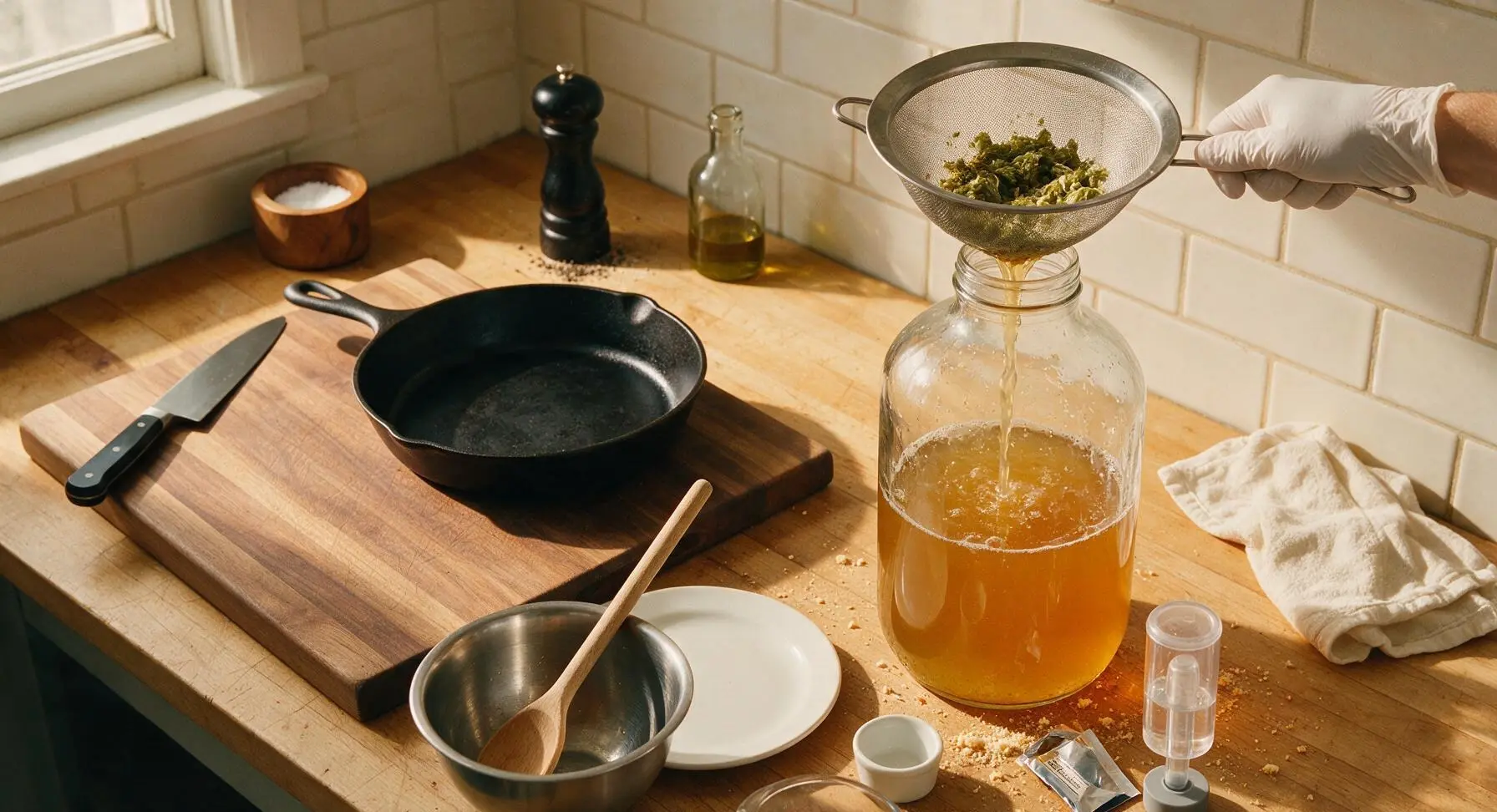
Once cooled to 21C, pour the wort through the fine-mesh stainless steel strainer into the sanitized 1-gallon glass fermentation jug to catch and remove all hop solids. Top up the jug with extra filtered cold water to reach the 3.8L (1 gallon) volume mark, then sprinkle the full packet of Pilsner lager yeast evenly over the wort surface. Seal the jug with the sanitized rubber stopper, fill the airlock halfway with sanitizer solution, and insert it into the stopper hole. Move the jug to a cool, dark 12C (55F) space to ferment for 2 weeks, until bubbling in the airlock stops completely.
Step 7
step7:Transfer to Fermenter
8

Bottle and Condition

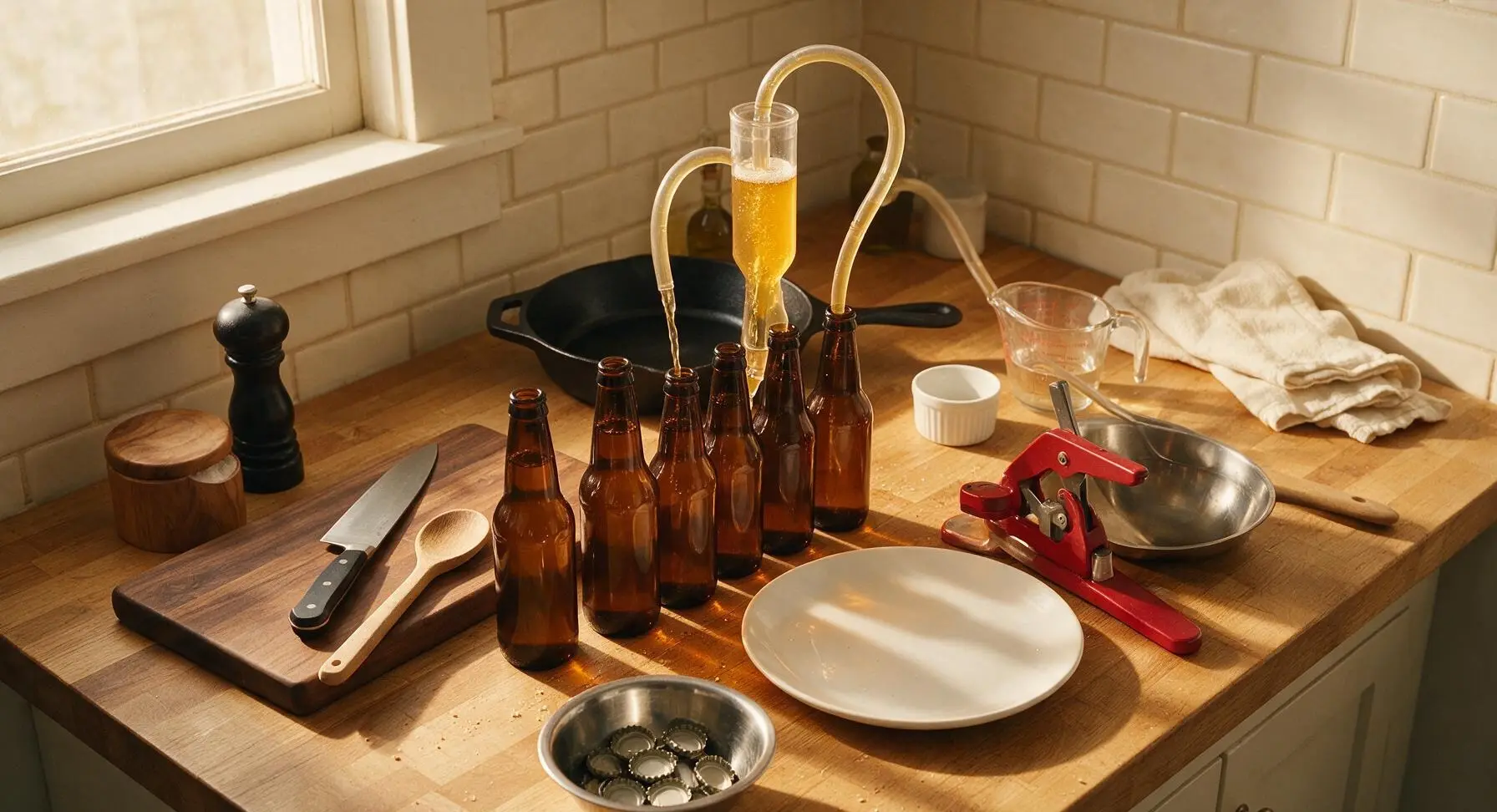
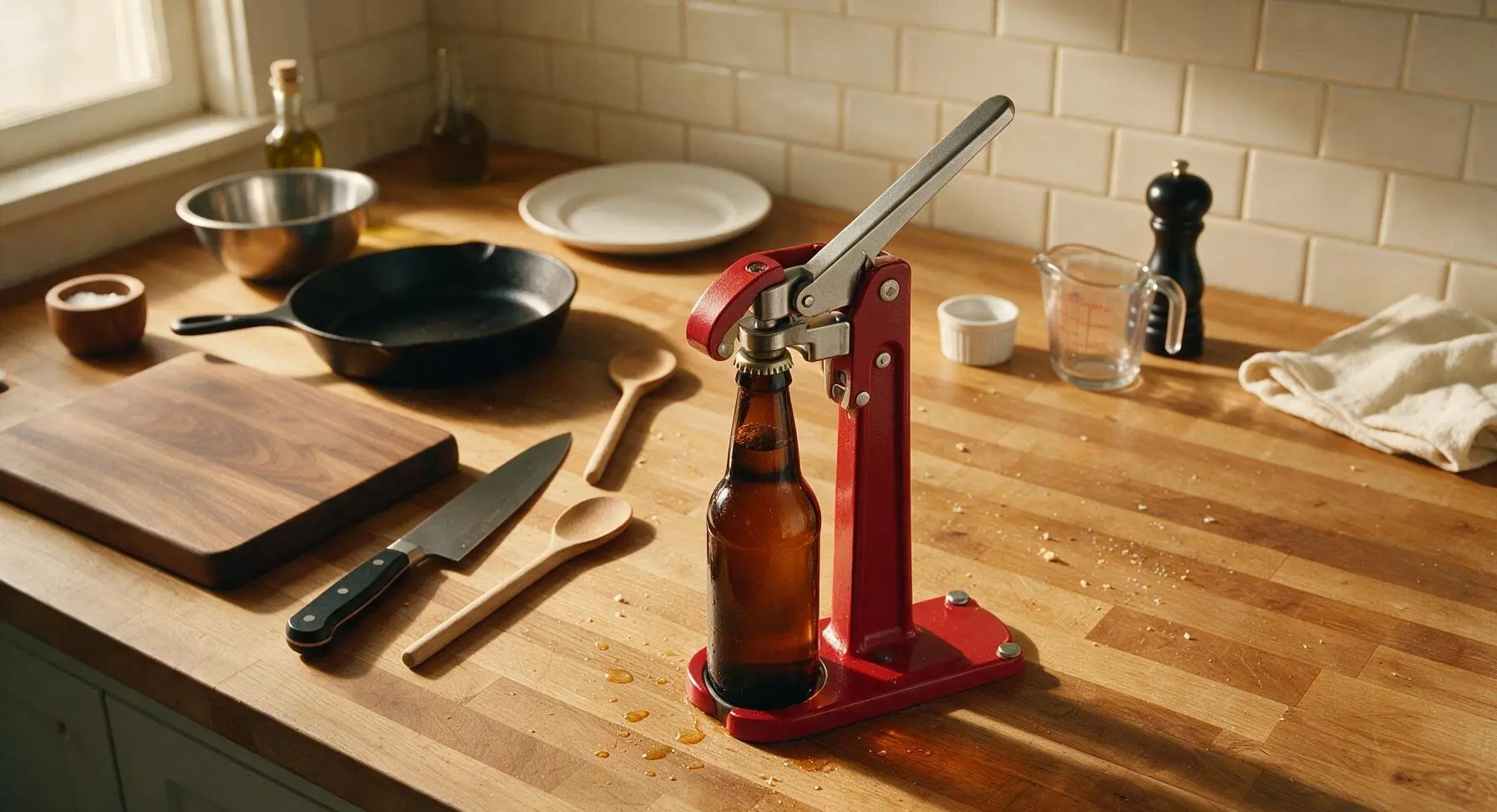
After 2 weeks of primary fermentation, boil the 100g of corn sugar with 200ml of water for 5 minutes, cool, and add to the sanitized brew pot. Use the clear plastic auto-siphon to transfer the fully fermented clear beer from the fermentation jug into the pot, mixing gently with the priming sugar to create even carbonation. Fill each sanitized amber longneck bottle to 2cm below the rim, then use the red bench capper to crimp a metal bottle cap onto each bottle. Store sealed bottles in the same cool dark space for 2 additional weeks to carbonate fully, then chill to 2C (35F) before serving.
Step 8
step8:Bottle and Condition
Step 8
step8:Bottle and Condition

Tips

1.Always sanitize every piece of equipment that touches cooled wort or beer: even a tiny amount of residual bacteria can create sour, off-flavors that ruin an entire batch, so don’t skip this step or cut corners on the required 2-minute contact time.
2.Maintain a steady fermentation temperature of 10-13C (50-55F) for the full 2-week primary fermentation: Pilsner lager yeast is temperature-sensitive, and warmer temperatures will create harsh, fruity, solvent-like off-flavors that disrupt the beer’s clean profile.
3.Wait the full 2-week bottle conditioning time before chilling and serving: this period allows yeast to naturally carbonate the beer and mellow harsh 'green beer' flavors, resulting in a smoother, more balanced final pint.


✨ You May Also Like

Drinks & Beverages
🍜 Mexico

A bright, balanced tequila-based cocktail with zesty fresh lime, smooth orange liqueur, and a signature salt rim, perfect for warm summer sipping.

⏱️ 5 minutesDrinks & Beverages ★ 4.9
Drinks & Beverages
🍜 United States

Thick, creamy, nostalgic classic vanilla milkshake with a rich, smooth texture, topped with whipped cream and a cherry for cool, sweet refreshment.

⏱️ 5 minutesDrinks & Beverages ★ 4.7
Drinks & Beverages
🍜 United States

A bright, golden strong ale with fruity banana-clove notes, subtle hop spice, and soft carbonation, brewed in classic Trappist Tripel tradition.

⏱️ 2 hours aDrinks & Beverages ★ 4.5
Drinks & Beverages
🍜 United States

A frothy, nostalgic American soda fountain treat pairing bubbly cold root beer with creamy vanilla ice cream, perfect for cooling down at warm weather gatherings.

⏱️ 20 minuteDrinks & Beverages ★ 4.8
Drinks & Beverages
🍜 United States

Tart, funky, effervescent American Wild Ale is a complex fruity craft beer brewed with wild yeast, delivering bright, zesty notes perfect for warm-weather sipping.

⏱️ 2 hours aDrinks & Beverages ★ 4.4
Drinks & Beverages
🍜 United States

Bright, bubbly copycat of the iconic American caramel cola, balanced with citrus and warm spice, perfect for sipping ice-cold on hot days.

⏱️ 15 minuteDrinks & Beverages ★ 4.8

Pilsner:Frequently Asked Questions

1.What sets this German-style pilsner apart from a standard American pilsner? ▾
Great question! This version sticks to traditional German specs: it uses 100% light Pilsner liquid malt extract for a soft, bready clean malt backbone, noble Saaz and Hallertau hops for floral, slightly spicy aroma instead of bold citrusy American hops, and authentic Pilsner lager yeast for a crisp, dry, non-fruity finish.
2.Can I substitute dried Pilsner malt extract for the liquid Pilsner malt extract called for? ▾
Absolutely, just adjust the quantity correctly! Use 0.8 pounds of dried light Pilsner malt extract for every 1 pound of liquid extract the recipe requires. Dried extract has a longer shelf life and ferments just as cleanly, though you may notice a touch less of that soft, fresh bready malt note fresh liquid extract delivers.
3.Why does the recipe specify filtered cold water instead of regular tap water? ▾
Most tap water contains chlorine, chloramine, or unbalanced mineral levels that will muffle that delicate noble hop aroma and create harsh, plastic-like off-notes in your finished pilsner. Filtered cold water has a clean, neutral profile that lets the soft malt and floral hops shine, just like traditional German pilsners brewed with soft local water.
4.Do I really need both Saaz and Hallertau hop pellets for this recipe? ▾
Those two noble hops create that classic layered pilsner aroma! Hallertau adds soft, earthy, slightly herbal floral notes for balanced early-boil bitterness, while Saaz contributes that iconic bright, zesty, slightly spicy floral kick for late additions. If you only have one, use all Saaz for a Czech-leaning profile, but the blend tastes most authentically German.
5.What temperature should I ferment this pilsner at to get the cleanest flavor? ▾
Pilsner lager yeast works best at a steady 45–55°F (7–13°C) for primary fermentation, which is much cooler than standard ale fermentation temperatures. This slow, cool ferment prevents fruity or solvent-like off-flavors for that super clean, crisp profile. After primary wraps, ramp the temp up 5°F for a 3-day diacetyl rest before lagering.
6.How long do I need to lager this homemade pilsner before it’s ready to drink? ▾
For the best, most authentic flavor, plan for a minimum of 3 weeks of lagering (cold storage at 35–40°F) after primary fermentation finishes. This slow cold conditioning smooths out rough hop edges, lets remaining yeast settle for crystal-clear beer, and builds that ultra-smooth, dry, refreshing finish classic German pilsners are known for.
7.Can I make this recipe if I don’t have dedicated temperature-controlled brewing equipment? ▾
You can pull this off with a little creativity! Tuck your fermenter in a consistently cool basement, use a swamp cooler (a tub of water with frozen bottles swapped daily) to hold temps in the 45–55°F range, or grab a cheap temperature controller for a mini fridge. Never ferment at room temp, though—it will create fruity, off-flavors.
8.Why did my first test batch have a subtle buttery off-flavor? ▾
That buttery taste is diacetyl, a common fermentation byproduct that’s totally unwanted in a crisp pilsner. It pops up when you skip the diacetyl rest, rush fermentation, or rack beer off the yeast too early. Fix it next time by holding the beer at 55°F for 2–3 days post-primary to let yeast consume that diacetyl before lagering.
9.Can I use whole leaf hops instead of the Saaz and Hallertau pellets called for? ▾
Definitely! Just use 10–15% more whole leaf hops by weight than you would pellets, since whole leaves are less dense and have slightly lower utilization during the boil. Keep in mind whole leaves leave more trub (sediment) in your boil kettle, so use a hop spider to reduce sediment for a clearer final beer.
10.How do I get that crystal-clear golden look commercial German pilsners have? ▾
A few easy tricks will get you that perfect clarity! First, complete the full 3-week cold lagering phase to let yeast and sediment settle to the bottom. Add a small amount of Irish moss to the last 15 minutes of the boil to clump proteins together, and avoid splashing when racking to prevent stirring up sediment pre-bottling.
11.How much priming sugar do I need when bottling this pilsner? ▾
For that classic crisp, well-carbonated pilsner fizz (about 2.5 volumes of CO2), use ¾ cup of corn sugar for a standard 5-gallon batch. Dissolve the sugar in a small amount of boiling water, cool it fully, and mix it gently with finished beer right before bottling to get consistent carbonation across every bottle without over-fizzing.
12.Is it normal for fermentation to take longer than it does for my usual homebrewed ales? ▾
Totally normal! Lager yeast works much slower at cool fermentation temperatures than ale yeast does at room temp. Expect primary fermentation to take 10–14 days, compared to 3–7 days for most ales. Don’t rush it by cranking up the temp—slow, steady fermentation is the secret to that clean, smooth pilsner flavor.
13.Can I dry hop this pilsner for extra hop aroma? ▾
Absolutely, that’s a great call for a brighter, more aromatic beer! Add 0.5–1 ounce of Saaz pellets to your fermenter during the last 3 days of lagering, before bottling, to amp up that bright floral, slightly spicy noble hop aroma without adding harsh bitterness. Keep additions modest—German pilsners don’t need IPA-level hop punch.
14.What’s the ideal serving temperature for this homemade pilsner? ▾
Skip the near-freezing 32°F serving temp that masks delicate flavors! Aim for 38–42°F, which is cold enough to feel ultra-refreshing on a hot day, but warm enough to let the soft bready malt notes and delicate floral Saaz and Hallertau hop aromas come through. Pour it into a tall, narrow pilsner glass to show off the golden color and fluffy head.
15.How long will this homemade pilsner stay fresh after bottling? ▾
When stored in a cool, dark place away from direct sunlight and temperature swings, this pilsner will taste its best for 3–4 months after bottling. The bright noble hop aroma will fade slowly over time, so it’s best enjoyed sooner rather than later. Avoid warm storage spots, which create stale, cardboard-like off-flavors fast.
16.What causes that skunky, light-struck flavor in some homemade pilsners? ▾
That skunky taste forms when hop compounds react with UV light from sunlight or clear glass, sometimes in as little as a few minutes. Prevent it by fermenting and storing your beer in opaque food-grade buckets or brown glass bottles, and never leave filled bottles out in direct sun if you want that fresh, clean hop flavor to last.
17.Can I add corn or rice to this recipe to make the beer taste lighter? ▾
Traditional German-style pilsners don’t use corn or rice adjuncts—those are common in mass-market American lagers. Adding them will mute the soft, bready Pilsner malt backbone and make the beer taste thin, which erases that authentic German profile. If you want a lighter body, extend your lagering time for a smoother, drier finish instead.
18.Do I need a full 60-minute boil for this extract recipe, or can I do a no-boil version? ▾
You definitely need a full 60-minute boil for this pilsner! The boil sanitizes your wort, helps develop that clean malt flavor, drives off harsh volatile compounds from the malt, and lets you time hop additions to get the right balance of bitterness and aroma. Skipping the boil leads to under-attenuated beer, off-flavors, and poor hop balance.
19.What IBUs should I target for an authentic German-style pilsner? ▾
Aim for 30–40 IBUs (international bitterness units) for that classic balanced profile. The bitterness should be firm and clean, but not harsh or overpowering, so soft malt and floral hop notes can shine. Add most of your Hallertau hops early in the boil for clean bitterness, and save Saaz for late additions to get aroma without harsh bite.
20.Why is my finished pilsner too sweet, missing that classic dry finish? ▾
A too-sweet pilsner usually stems from one of three issues: you didn’t let fermentation finish completely before bottling, your fermentation temp was too cold for yeast to fully attenuate, or you used a yeast strain that isn’t a true Pilsner lager yeast. Next time, confirm your final gravity is stable for 3 straight days before cold lagering for that perfect dry finish.

Comments (15)

1 week ago

OMG, this homemade pilsner was such a game changer for our last camping trip! I was nervous to try homebrewing for the first time since I thought it’d be way too complicated, but the step-by-step instructions made it totally doable. Crisp, clean, exactly the German-style bite I was craving, all my friends kept asking where I bought it. 10/10 will make again for our fall tailgate!

6 days ago

So stoked this worked out for your camping trip, Mike! So glad the steps felt approachable for a first brew—nothing beats that crisp pilsner finish after a day on the trails. Cheers!

2 weeks ago

Took me a minute to track down all the right malts and Hallertau hops, but wow was it worth it! This turned out so smooth, way better than the store-bought German pilsners I usually splurge on. My husband and I served it at our backyard BBQ last weekend and it was gone in 45 minutes flat. Only note: I’d recommend budgeting a little extra time for the wort chill step if you’re new, I rushed mine the first go round!

12 days ago

Wait, how long did you end up letting your wort chill? I almost messed that part up too my first batch, ended up with a weird cloudy finish because I cut corners!

11 days ago

Great call out on the wort chill step! For best results, aim to get your wort down to 65°F as quickly as possible—this helps prevent off-flavors and keeps that classic clear, bright pilsner look. So glad it was a hit at your BBQ!

5 minutes ago

Solid recipe, made my third batch last night. I upped the Saaz hops just a tiny bit for an extra little zing, and it’s tasting incredible even in the early fermentation stage. Cook time was spot on, didn’t take nearly as long as some other pilsner recipes I’ve tried online.

5 days ago

I made this for my husband’s birthday party since he’s obsessed with German beer, and y’all—he said it was better than the pilsners he drank on our trip to Munich! I don’t even drink beer and I thought it smelled amazing. All his guy friends were raving, asking for the recipe before they left. SO good.

4 days ago

That’s such a sweet birthday surprise, Liz! Nothing beats the reaction from a fellow German pilsner fan, especially someone who’s had the real deal in Munich. Cheers to you both!

2 days ago

Took this to our weekly football tailgate last Sunday and it absolutely stole the show. People were ditching their seltzers and cheap domestic beers to get a cup of this. Only knock is I wish the recipe made a bigger batch! I thought 5 gallons would be enough, but it was gone before halftime.

1 day ago

Same! I doubled the recipe for my last potluck and still ran out. People lose their minds over how crisp it is, no weird homebrew aftertaste at all!

20 hours ago

Love that it was a tailgate hit! You can absolutely scale the recipe up for bigger crowds—just make sure your brew kettle has enough extra space to avoid boil overs when you’re working with a larger volume. Go team!

30 minutes ago

As someone who’s never brewed anything in my life, I was so intimidated by the medium difficulty rating, but it was way more straightforward than I expected! My first batch came out a little fizzier than I planned because I messed up the carbonation step, but it still tasted great. Already gathering supplies for batch number two.

1 week ago

Made this for our Labor Day cookout, paired it with bratwursts and homemade sauerkraut, and it was the perfect combo. Tastes exactly like the pilsner I used to get at the German beer garden when I lived in Queens. Total nostalgia trip, will be adding this to my regular brew rotation.

6 days ago

The bratwurst and sauerkraut pairing is chef’s kiss! I did the same thing last month, it’s like they were made to go together.

3 days ago

I’ve tried so many homemade pilsner recipes that come out too bitter or too malty, but this one nails that perfect balanced German-style flavor. It’s light enough to drink a few on a hot afternoon but has enough depth that it doesn’t taste watery. I’ve already recommended this to three people in my homebrew club!

2 days ago

Balance is so key for a classic German pilsner—we spent so much time testing the hop ratios to get that exact not-too-bitter, not-too-sweet profile, so it means the world that it’s landing with craft beer fans!

1 day ago

Agreed! The hop ratio is perfect. I’ve been chasing that classic pilsner balance for years and this recipe finally got me there. No more skunky, off-flavored batches for me!

yesterday

My kids thought it was so cool that dad made his own beer! We made a whole weekend project out of it, they helped measure out the grains (supervised, obviously) and even designed custom labels for the bottles. This pilsner is crisp, refreshing, and now has a fun family memory attached to it. Can’t beat that.

18 hours ago

The custom label idea is so cute! I’m stealing that for my next batch, I’m bringing a bunch to my office holiday party later this year.

12 hours ago

Love that you made it a family project! That’s what home cooking (and homebrewing) is all about, right? Those custom labels sound amazing—definitely a fun touch for gifting or parties!

2 hours ago

I was worried the 90 minute cook time would be too long to fit in after work, but it was totally manageable! I split the prep over two weeknights, did the mash and boil on Tuesday, did the bottling on Thursday, and it was ready to drink by the weekend. Perfect for people who don’t have a whole free Saturday to dedicate to brewing.

2 weeks ago

Game changer! I’ve been brewing for 5 years and this is easily the best German pilsner recipe I’ve ever tried. The cold fermentation tip the recipe mentions makes such a huge difference in the final flavor, I’ll be using that trick for all my future lager batches. 10/10, no notes.

1 week ago

Wow, that high of praise from a 5-year homebrewing veteran means everything! That cold fermentation trick is non-negotiable for that smooth, clean lager taste, so glad it’s working for your other batches too!

5 days ago

I don’t have a ton of fancy homebrew equipment, so I was able to adapt this recipe to work with the basic starter kit I got for Christmas last year. Turned out SO good, my roommate and I went through half the batch in one night while we watched movies. Who needs to go to a fancy beer bar when you can make this at home?

3 days ago

Wait, what adaptations did you make for the basic starter kit? I only have the cheap beginner set too and I’m nervous I don’t have the right gear!

1 week ago

I did a side-by-side taste test with a popular imported German pilsner and my friends all picked this homemade version as the better one! The flavor is brighter, the hops are more aromatic, and it doesn’t have that weird skunky aftertaste you sometimes get from imported beer that’s been sitting on a shelf too long.

yesterday

Made this for my buddy’s Oktoberfest party last weekend and it was the perfect pick. Everyone kept saying it tasted straight from a German beer hall. I did add a tiny extra splash of noble hops at the end of the boil for more aroma, and it turned out chef’s kiss. Will absolutely be making this again.

20 hours ago

Adding that late noble hop addition is such a pro move! It adds such a nice bright aroma without ramping up the bitterness too much. So glad it was a hit at the Oktoberfest party!

just now

Solid mid-tier difficulty recipe, not for total total newbies but definitely doable if you’ve got one or two brews under your belt. The 90 minute cook time was accurate, no hidden steps that added extra time like a lot of other recipes I’ve tried. My only tip is to make sure you sanitize everything really well— I skipped sanitizing my siphon the first time and had to dump a whole batch because it got contaminated. Don’t be me!



