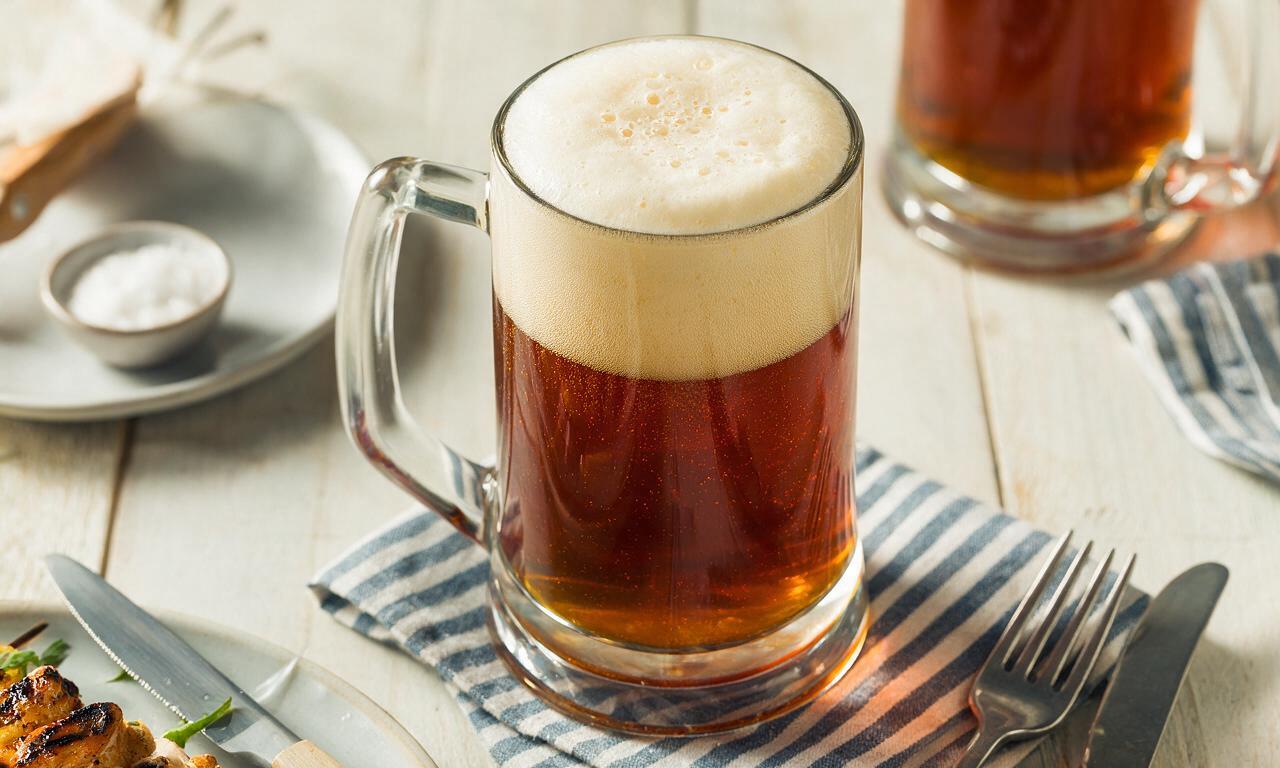
Rauchbier

Rauchbier
⏱️ cook time 90 minutes active, 4 weeks total (fermentation & conditioning)
🍽️ servings 4
⚡ Difficulty medium

intro

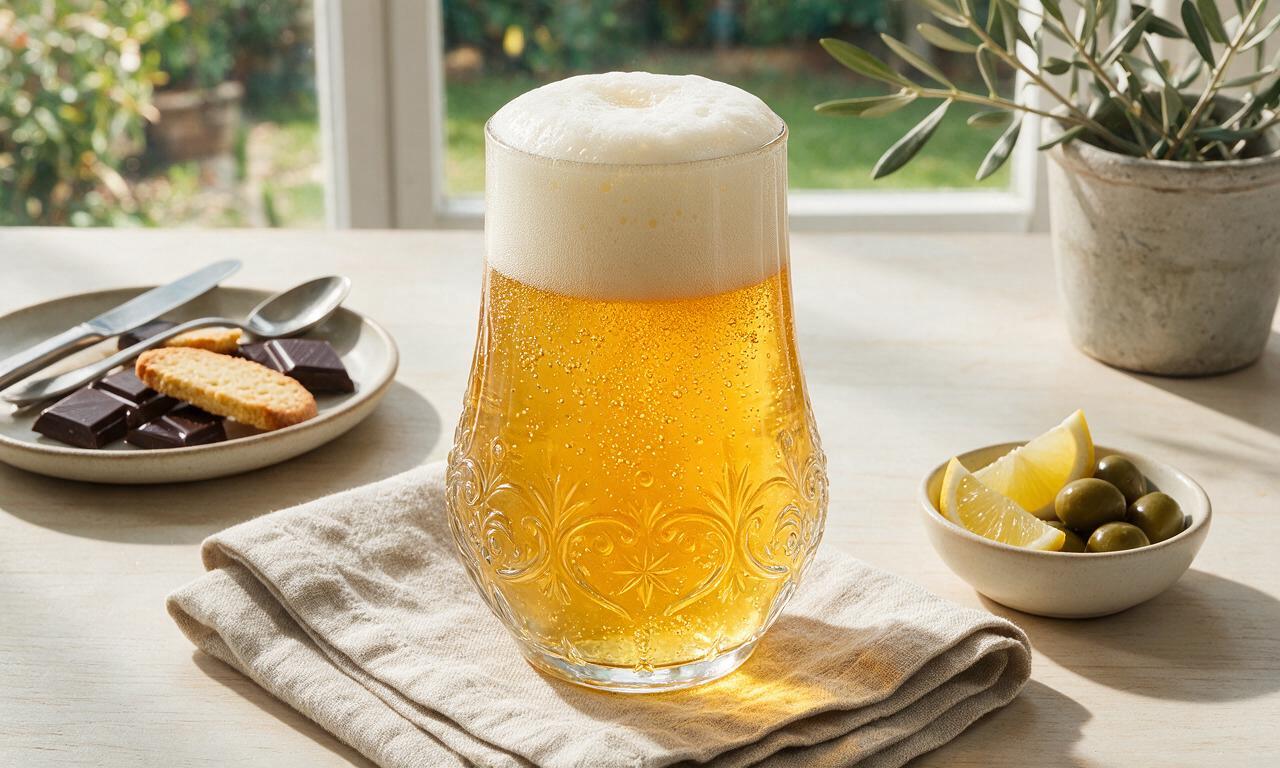
A traditional Bavarian smoked lager with deep amber hue, subtle beechwood smoke notes, balanced malt sweetness, and mild hop bitterness, perfect for pairing with grilled fare.

Ingredients

Pilsner base malt 340 grams (12 oz)
Beechwood-smoked barley malt 170 grams (6 oz)
Munich malt (10L) 85 grams (3 oz)
Hallertau Mittelfrueh hop pellets 14 grams (0.5 oz, divided)
Soft brewing water 2 liters (8.5 cups)
Bavarian lager yeast (W34/70 strain) 5 grams (1 standard packet)
Corn sugar (dextrose, for carbonation) 12 grams (3 teaspoons)

Steps

1

Mash the grain bill

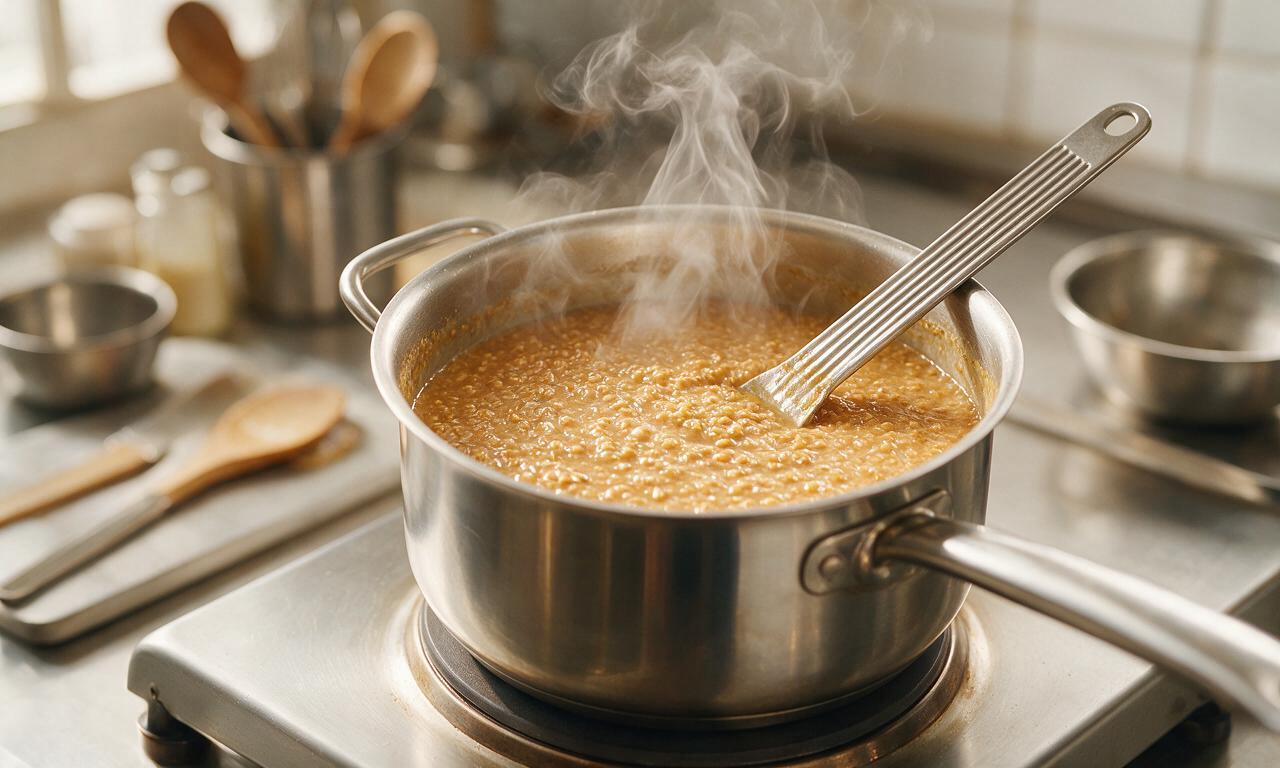
Heat 1.5 liters (6.3 cups) of soft brewing water to 67°C (153°F) in a stainless steel pot over medium-low heat. Crush the combined pilsner malt, beechwood-smoked malt, and Munich malt into a coarse grist, stir into the heated water, and hold a steady temperature of 65–68°C (149–154°F) for 60 minutes, stirring every 10 minutes to prevent scorching. The mash will smell sweet and faintly smoky, with a thick, porridge-like consistency.
Step 1
step1:Mash the grain bill
2

Strain and collect wort

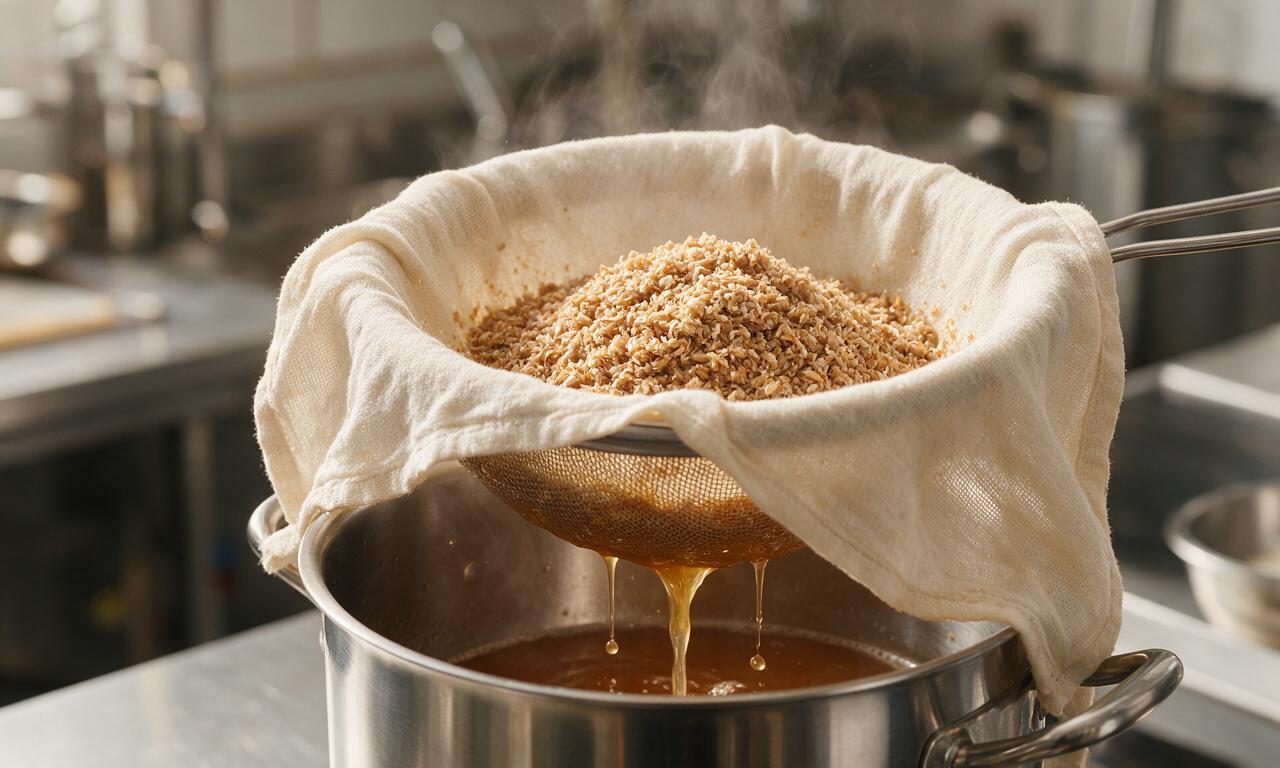
Set a fine-mesh strainer lined with cheesecloth over a second clean pot. Carefully pour the mashed grain through the strainer, then slowly pour 500ml (2.1 cups) of 77°C (170°F) hot water over the spent grains to rinse out remaining sweet wort. Discard the spent grains; you will collect approximately 2 liters (8.5 cups) of clear, amber, sweet-smelling wort in the second pot.
Step 2
step2:Strain and collect wort
3

Boil wort with hops

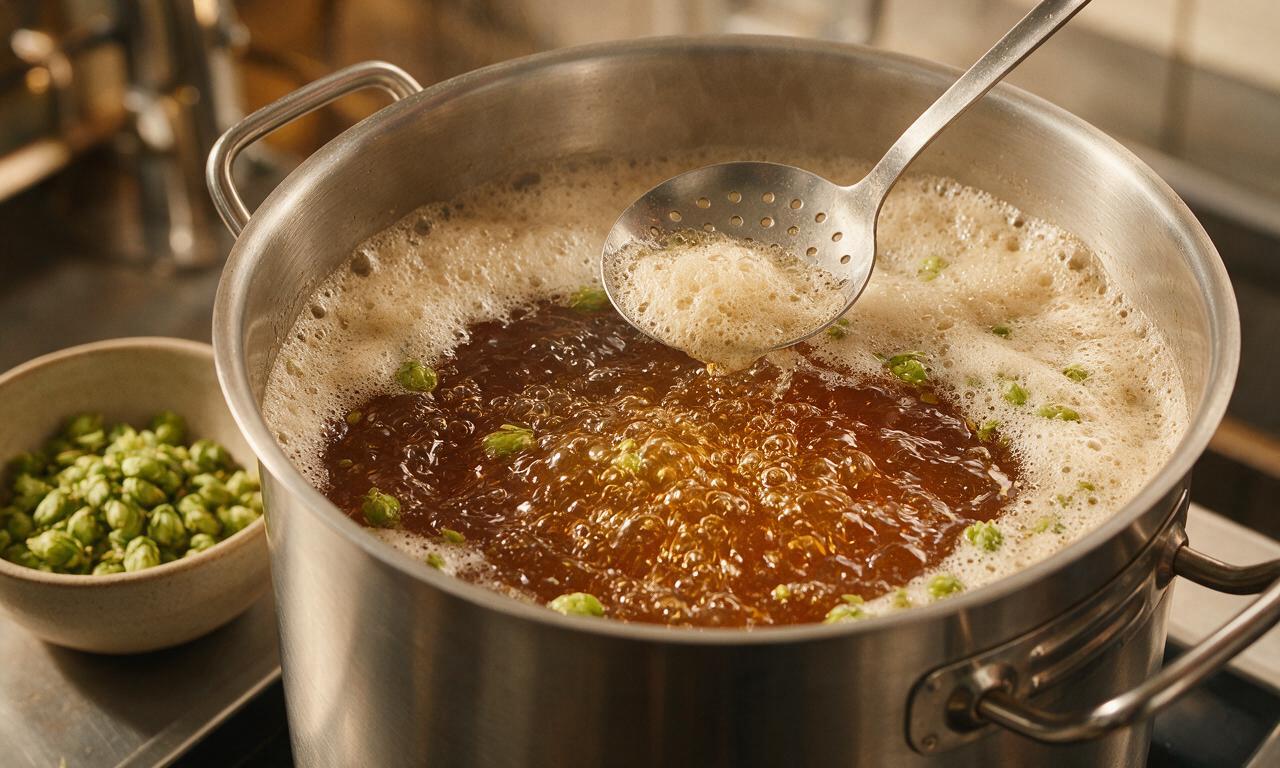
Place the pot of collected wort over medium-high heat, bring to a steady, rolling boil (100°C/212°F) and maintain the boil for 60 minutes, adjusting heat as needed to avoid boilovers. Add 10 grams of Hallertau hop pellets at the start of the boil for bittering, then add the remaining 4 grams of hops during the last 5 minutes of the boil for aroma. Skim any foamy krausen that rises to the surface with a slotted spoon.
Step 3
step3:Boil wort with hops
4

Cool wort and pitch yeast

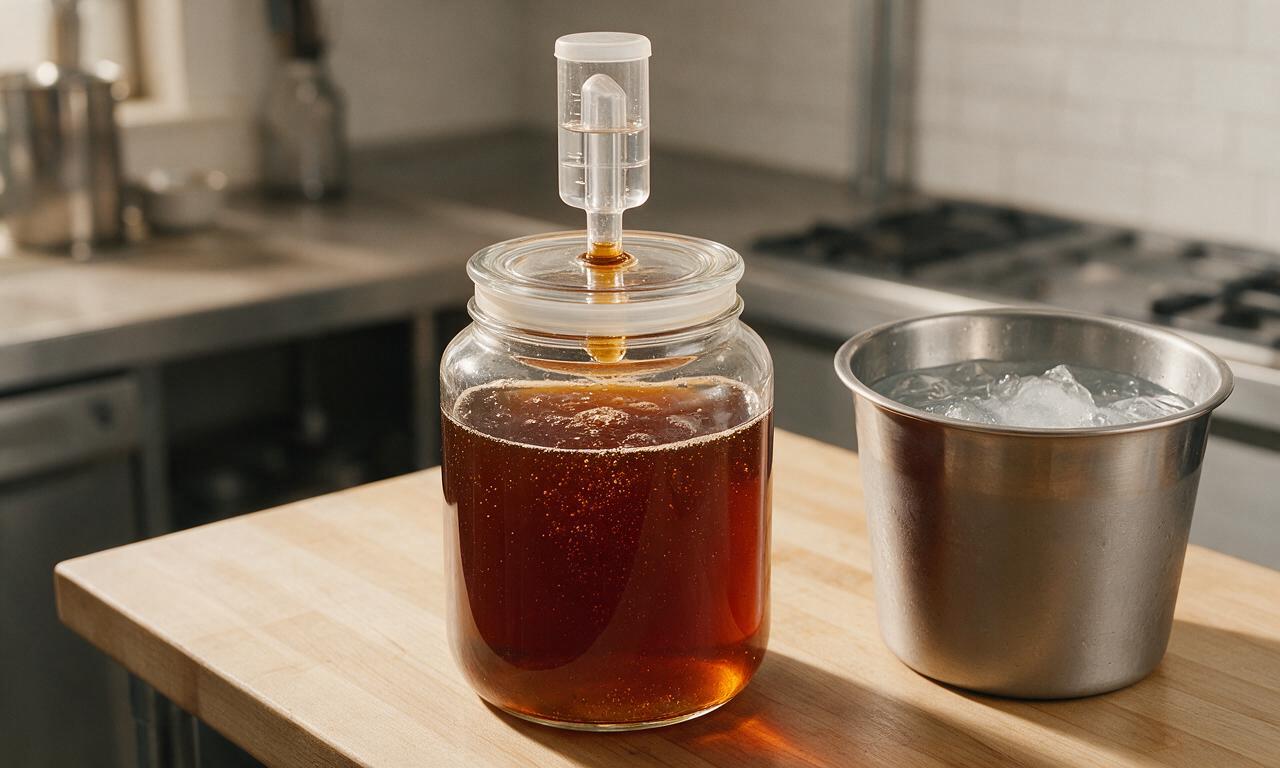
Remove the pot from heat immediately after the boil ends, and place it in an ice bath filled with cold water and ice cubes to bring the wort temperature down to 12°C (54°F) within 20 minutes. Pour the cooled wort into a sanitized 2-liter glass fermentation jug, sprinkle the 5 grams of Bavarian lager yeast over the surface, and seal the jug with an airlock filled with no-rinse brewing sanitizer.
Step 4
step4:Cool wort and pitch yeast
5

Complete primary fermentation

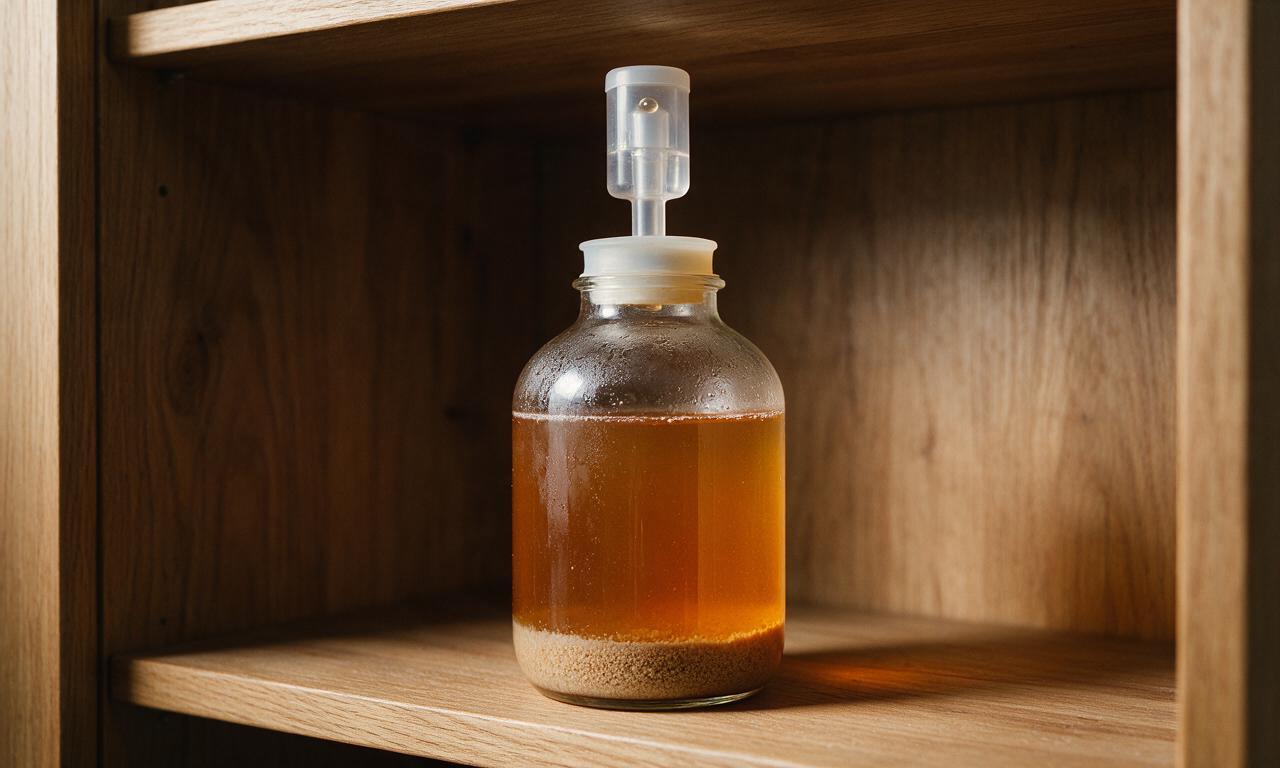
Move the sealed fermentation jug to a dark, temperature-controlled space held at a steady 10–13°C (50–55°F) for 2 weeks. Monitor the airlock: bubbling will start within 24–48 hours as yeast converts sugar to alcohol and CO2, and slow to 1 bubble every 30 seconds or less when primary fermentation is complete.
Step 5
step5:Complete primary fermentation
6

Carbonate and condition beer

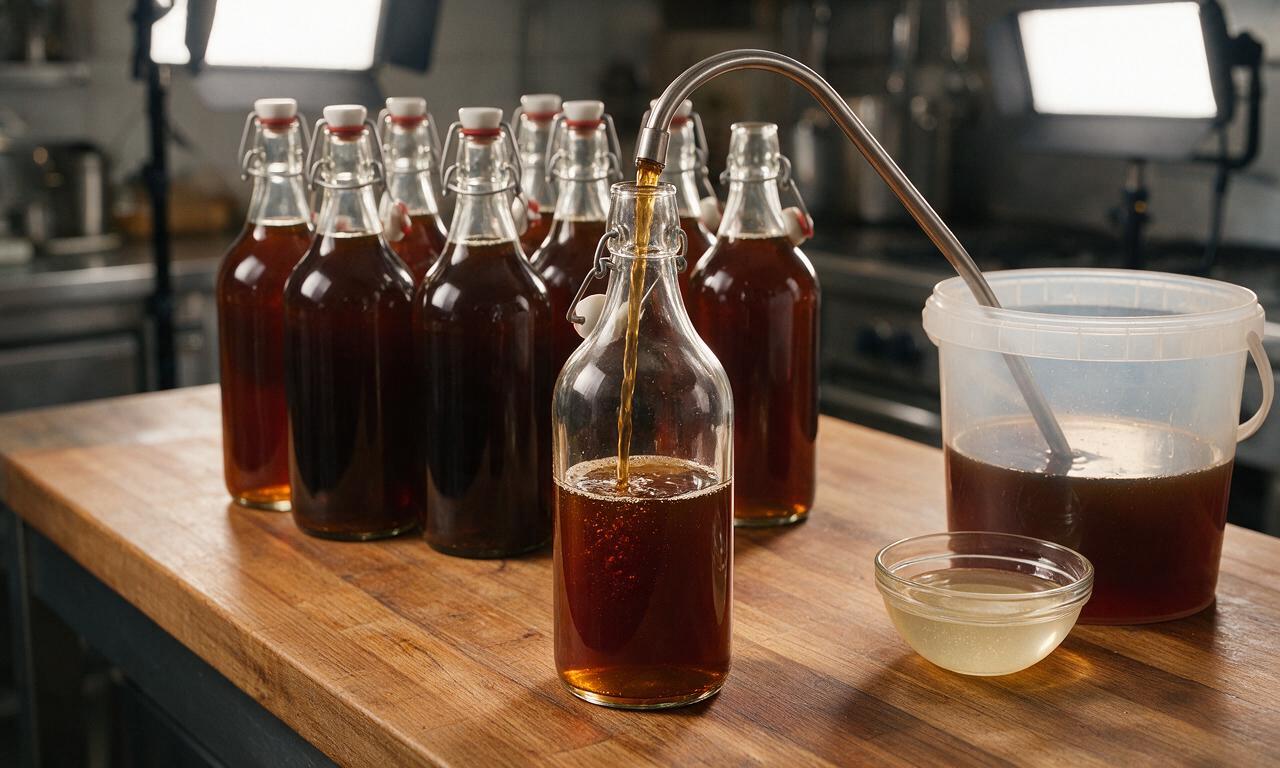
Dissolve 12 grams of corn sugar in 30ml (2 tablespoons) of boiling water, cool to 12°C (54°F), and add to a sanitized food-grade bottling bucket. Siphon the fermented rauchbier into the bucket, stir gently to mix evenly, then fill sanitized 500ml (17oz) swing-top bottles, leaving 2cm (0.8 inches) of headspace. Seal bottles and store at 12°C (54°F) for 2 weeks to carbonate and condition, then chill to 4°C (39°F) before serving.
Step 6
step6:Carbonate and condition beer

Tips

1.Sanitize every piece of equipment that touches cooled wort (fermentation jug, airlock, siphon, bottles, caps) with a no-rinse brewing sanitizer to prevent bacterial contamination and off-flavors in your finished beer.
2.Hold mash temperature steady between 65–68°C (149–154°F) for the full 60 minute rest: temperatures above this range create overly sweet, heavy beer, while lower temperatures produce a thin, overly dry final product.
3.Avoid using heavily chlorinated tap water for brewing, as chlorine reacts with malt compounds to create harsh, medicinal-tasting off-flavors; use filtered or bottled soft spring water if your tap water has a strong chlorine scent.
✨ You May Also Like

Drinks & Beverages
🍜 Mexico

A bright, balanced tequila-based cocktail with zesty fresh lime, smooth orange liqueur, and a signature salt rim, perfect for warm summer sipping.

⏱️ 5 minutesDrinks & Beverages ★ 4.7
Drinks & Beverages
🍜 United States

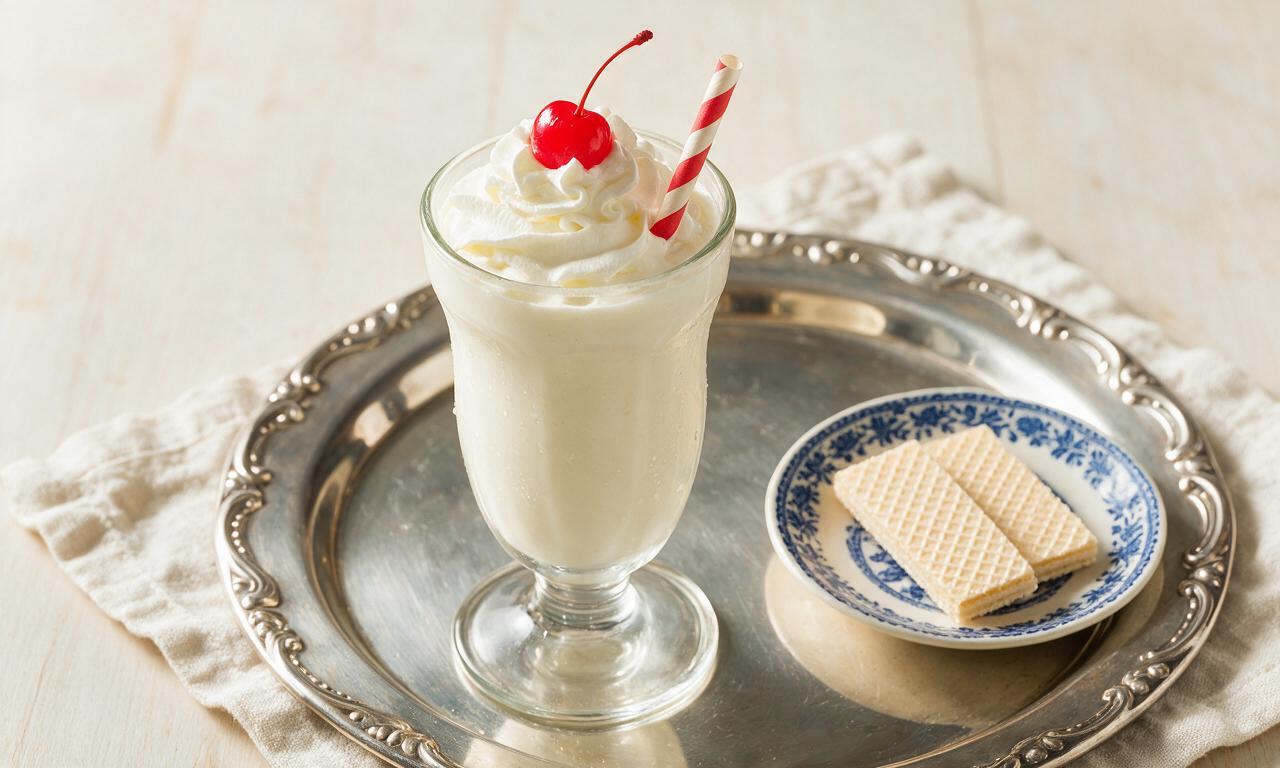
Thick, creamy, nostalgic classic vanilla milkshake with a rich, smooth texture, topped with whipped cream and a cherry for cool, sweet refreshment.

⏱️ 5 minutesDrinks & Beverages ★ 4.6
Drinks & Beverages
🍜 United States

A bright, golden strong ale with fruity banana-clove notes, subtle hop spice, and soft carbonation, brewed in classic Trappist Tripel tradition.

⏱️ 2 hours aDrinks & Beverages ★ 4.7
Drinks & Beverages
🍜 United States

A frothy, nostalgic American soda fountain treat pairing bubbly cold root beer with creamy vanilla ice cream, perfect for cooling down at warm weather gatherings.

⏱️ 20 minuteDrinks & Beverages ★ 4.9
Drinks & Beverages
🍜 United States

Tart, funky, effervescent American Wild Ale is a complex fruity craft beer brewed with wild yeast, delivering bright, zesty notes perfect for warm-weather sipping.

⏱️ 2 hours aDrinks & Beverages ★ 4.5
Drinks & Beverages
🍜 United States

Bright, bubbly copycat of the iconic American caramel cola, balanced with citrus and warm spice, perfect for sipping ice-cold on hot days.

⏱️ 15 minuteDrinks & Beverages ★ 4.8

Rauchbier:Frequently Asked Questions

1.How much beechwood-smoked barley malt should I use to avoid an overpowering ashy, campfire taste?
Stick to 5-10% of your total grain bill for that classic subtle smoke, starting at 7% if you’re making it for the first time. Never go over 12% smoked malt, as higher amounts will create harsh, acrid notes that overpower the soft malt sweetness and mild hop character that defines traditional Rauchbier.
2.Why is soft brewing water specified for this recipe instead of regular tap water?
Traditional Bamberg-style Rauchbier relies on soft, low-mineral water to let delicate smoke and malt flavors shine. If your tap water is hard (high in bicarbonates), dilute it 50/50 with distilled water to hit 50-80 ppm bicarbonate, as excess minerals will create a harsh, metallic aftertaste that clashes with the beer’s smooth profile.
3.What fermentation temperature gives the smoothest, most authentic lager profile?
Use a clean Bavarian lager yeast, and hold primary fermentation steady at 48–55°F (9–13°C) for 2 weeks. Avoid fermenting warmer than 58°F, which produces fruity, estery off-notes that fight the subtle beechwood smoke. After primary wraps, move the beer to cold lagering to smooth out rough, yeasty edges for that classic clean finish.
4.Can I substitute Hallertau Mittelfrueh hops if I don’t have them stocked?
Stick to noble, low-alpha-acid continental hops as a swap, such as Hallertau Tradition, Tettnang, or Saaz. Skip bright, citrusy high-alpha hops like Cascade or Citra, as those will overpower the soft smoke and malt. Aim for a total of 20–25 IBUs to keep the traditional mild, balanced bitterness.
5.How do I get that signature deep amber hue without adding dark roasted malts?
That rich, clear amber color comes naturally from the Munich 10L malt and small portion of beechwood smoked malt when you use a standard 60-minute mash. Skip adding roasted barley or extra dark specialty malts, as those add harsh, acrid notes that muddle the clean smoke and soft malt sweetness of traditional Rauchbier.
6.How long do I need to cold lager this beer for authentic Bavarian flavor?
After primary fermentation wraps, rack the beer to a sealed secondary vessel and hold it at 35–40°F (2–4°C) for a minimum of 4 weeks, ideally 6. This cold conditioning smooths yeast harshness, softens sharp smoke notes, and lets the malt, smoke, and hop flavors meld into a balanced, crisp final beer.
7.Why does my homemade Rauchbier taste like burnt campfire instead of subtle smoke?
That common issue almost always stems from one of two mistakes: using too much smoked malt, or using the wrong smoked malt variety. Stick to the 5-10% ratio of beechwood-smoked barley, avoid peated or mesquite smoked malts, and take care not to scorch grains during mashing or boiling, which adds burnt off-flavors.
8.What are the best traditional food pairings for this Rauchbier?
This smoked lager is made for rich, grilled and smoked fare, per Bavarian tradition. Pair it with grilled bratwurst, smoked pork chops, soft pretzels with obatzda cheese spread, or charred seasonal vegetables. The soft smoke cuts through fatty meat, while mild malt and hops cleanse the palate between bites.
9.Do I need a complicated step mash schedule for this recipe?
No fancy multi-step mash is required for great results, even for newer homebrewers. A simple single-infusion mash with your Pilsner base, Munich, and smoked malts, held steady at 152°F (67°C) for 60 minutes works perfectly, producing enough fermentable sugar for a crisp finish while retaining enough body to balance the smoke and mild hop bitterness.
10.How should I store bottled Rauchbier to preserve its best flavor?
Store sealed bottles upright in a cool, dark space at 45–55°F (7–13°C), away from direct sunlight or sudden temperature swings that cause skunky off-flavors. It will stay at peak quality for 6–8 months; avoid aging it longer than a year, as the malt sweetness fades and the smoke note turns flat and dull over time.

Comments (18)

2 days ago

OMG, this rauchbier recipe is an absolute game changer! I’ve been homebrewing for 3 years and have struggled to nail that authentic Bamberg-style smoke flavor without it tasting like a campfire in a glass. Followed the instructions exactly, used beechwood smoked malt per the note, and brought a growler to my neighborhood potluck last weekend. People were begging for refills before the burgers were even done! SO good, already planning my second batch.

yesterday

Wait, did you do the cold conditioning step for the full 2 weeks at 34F like it says? I cut mine short last time I tried a smoked lager and it tasted so harsh, curious if that step makes all the difference here.

yesterday

Great question! That cold conditioning step is non-negotiable for that smooth, traditional profile—it mellows out the sharp smoke notes and lets the clean lager yeast shine. We don’t recommend skipping it or cutting it short for the best results!

3 days ago

Total newbie homebrewer here—how hard is this really for someone who’s only done extract kit beers so far? The medium difficulty tag is making me nervous, but I love rauchbier so bad I want to give it a shot.

2 days ago

It’s totally doable for extract brewers who have a couple batches under their belt! The only extra step compared to basic lager kits is managing the gradual smoke malt addition and holding steady fermentation temps for the first week. We included step-by-step temp checks in the instructions to make it easy, you’ve got this!

1 week ago

Made this for my annual fall camping trip with the guys and it was the hit of the weekend. The smoke level is perfectly balanced—not overpowering, just that nice, savory kiss that pairs so well with brats and campfire chili. Will be a yearly brew for me from now on.

5 days ago

Wait, has anyone tried substituting the beechwood smoked malt with cherrywood smoked malt? I have a ton leftover from a stout I made last month and don’t want to run to the homebrew shop if I don’t have to.

3 days ago

I did that on my first batch! It’s good, but it tastes more like a smoked ale you’d get at a Pacific Northwest brewery rather than traditional Bavarian rauchbier. Cherrywood is a little fruitier and sharper than beechwood, so cut the amount by 25% if you go that route.

3 days ago

Totally agree with that note! Beechwood gives that authentic, soft, bacon-y smoke traditional to Rauchbier, but cherrywood works as a swap if you adjust the quantity. Just keep in mind it will change the final flavor profile a bit!

2 weeks ago

My grandpa was from Bavaria and used to rave about the rauchbier he drank growing up, so I made this for his 82nd birthday. He took one sip and got all teary, said it tasted exactly like he remembered. 10/10, no notes.

1 week ago

This is so sweet! My Oma is from Munich and I’ve been nervous to make any German beer styles for her because she’s such a stickler—this makes me want to try this recipe for our next family dinner!

1 week ago

Brewed this to have on hand for our college football tailgates this season and it’s chef’s kiss. Pairs so well with smoked wings and pulled pork, all my friends kept asking where I bought it. Will definitely be making a double batch next time.

30 minutes ago

Quick question—do I need a dedicated fermentation fridge for this, or can I get away with using a cool closet in my basement that stays around 50-55F this time of year?

5 minutes ago

That closet temp will work perfectly for primary fermentation! The key is avoiding big temperature swings (more than 2-3 degrees over 24 hours) so the lager yeast stays happy. For the final cold conditioning step, you can use a regular fridge set to the recommended temp if your basement doesn’t get that cold.

yesterday

Made this last month, just cracked the first bottle last night and WHOA. The smoke is so smooth, not that artificial liquid smoke taste you get in some store-bought smoked beers. Only issue is my carbonation was a little low—any ideas where I messed up?

2 hours ago

I had that same problem on my first batch! Turns out I didn’t let the bottles condition at room temp long enough after bottling. I waited 1 week the first time, upped it to 2 weeks the next and carbonation was perfect.

30 minutes ago

Second that! Also double check you’re adding the right amount of priming sugar—if you skimp even a little, carbonation comes out flat. I weigh mine with a kitchen scale now to avoid guessing.

2 weeks ago

I was worried the 4 week total time would be too long, but honestly the active time is so short (only 90 minutes!) that it was totally manageable even with my crazy work schedule. Set it and forget it for the most part, and the end result is way better than any rauchbier I’ve picked up at the liquor store.

1 week ago

Same here! I do most of my brewing on Sunday nights after the kids go to bed, so 90 minutes of active work is totally doable. The 4 week wait is brutal but so worth it when you crack that first cold one.

5 days ago

Weirdly good with spicy food! Had a couple bottles with my weekly taco night spread last week and the smoky lager cut through the heat of the salsa and carnitas so well. Never would’ve thought to pair rauchbier with Mexican food but now I’m obsessed.

3 days ago

Just wanted to pop in and say this recipe is foolproof! I’ve messed up so many lager batches in the past from temp issues, but the instructions here were so clear I didn’t have a single problem. Ended up bringing a six pack to my local homebrew club meetup and it won first place in the lager category last night!

2 days ago

Congratulations on the win! That makes our day to hear—nothing beats getting to share a great homebrew with fellow beer lovers. Cheers!

yesterday

Whoa, that’s such a flex! I’m entering a homebrew contest next month and was looking for a solid lager recipe—definitely adding this to my list to brew this weekend.

2 hours ago

Is there a non-alcoholic version of this recipe? I love the flavor of rauchbier but don’t drink alcohol anymore, and I can never find a good NA smoked lager at the store near me.

30 minutes ago

Great question! You can absolutely adapt this for a non-alcoholic brew by halting fermentation early or using a non-alcoholic yeast strain, and we’re actually testing an NA version of this recipe right now. It should be up on the site in the next couple of weeks, so stay tuned!

1 week ago

Hosted an Oktoberfest party last weekend and served this alongside traditional pretzels, obatzda, and bratwurst. My guests thought I ordered it from a fancy German import shop! So worth the 4 week wait to have that fresh, homemade taste.

2 days ago

Pro tip for anyone making this: don’t overdo the smoked malt! I added an extra 2oz on my first batch because I wanted extra smoke flavor and it ended up tasting like I was drinking a liquid bacon strip. Second batch I followed the measurements exactly and it was perfect.

yesterday

Oh no, I did the exact same thing! I thought more smoke = better, but nope, it was so overpowering I could barely finish a glass. Live and learn, right?

yesterday

Such a great tip! Smoked malt is incredibly potent, so even a little extra can throw the whole balance off. We recommend sticking to the measured amount for your first batch, then adjusting up by 0.5oz increments on future batches if you want more smoke.

2 weeks ago

I’ve been buying commercial rauchbier for years and this is hands down better. The malt balance is spot on, the smoke doesn’t overpower the clean lager finish, and it’s so much cheaper than buying imported six packs every week.

1 week ago

Right?! I calculated the cost per bottle and it’s like a third of what I pay for the imported stuff at the grocery store. Tastes way better too, you can’t beat homemade.

3 days ago

Was nervous about trying a lager because I’ve only ever made ales before, but this recipe walked me through every single step. No weird jargon, no confusing steps, just clear instructions that led to the best beer I’ve ever made. My husband is already begging me to make another batch before our first runs out.

5 days ago

Can I scale this recipe up to make a 10 gallon batch instead of 5? My brew club is doing a big Oktoberfest event next month and we need enough for 40 people.

3 days ago

Absolutely! All the ingredients scale perfectly linearly for a 10 gallon batch—just double every measurement, and make sure your fermentation vessel is big enough to handle the extra volume. You may need to add an extra day or two to primary fermentation to make sure it fully attenuates, but otherwise the process is identical.

yesterday

Game changer for my fall meal prep! I brewed a batch a month ago, bottled it up, and now I have a perfect cold beer to crack open after work every night with dinner. The smoky flavor is so cozy for crisp fall evenings, I don’t know why I didn’t try making rauchbier sooner.